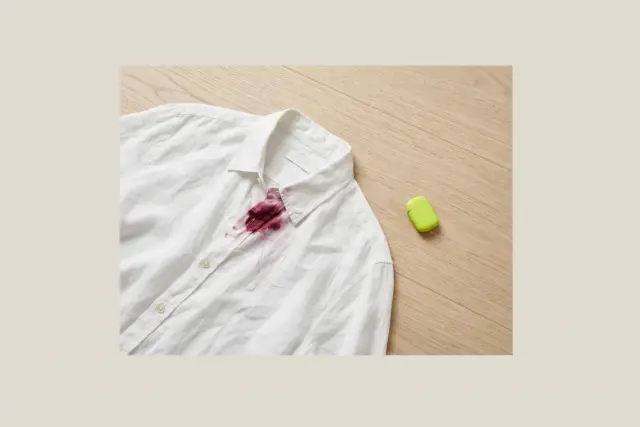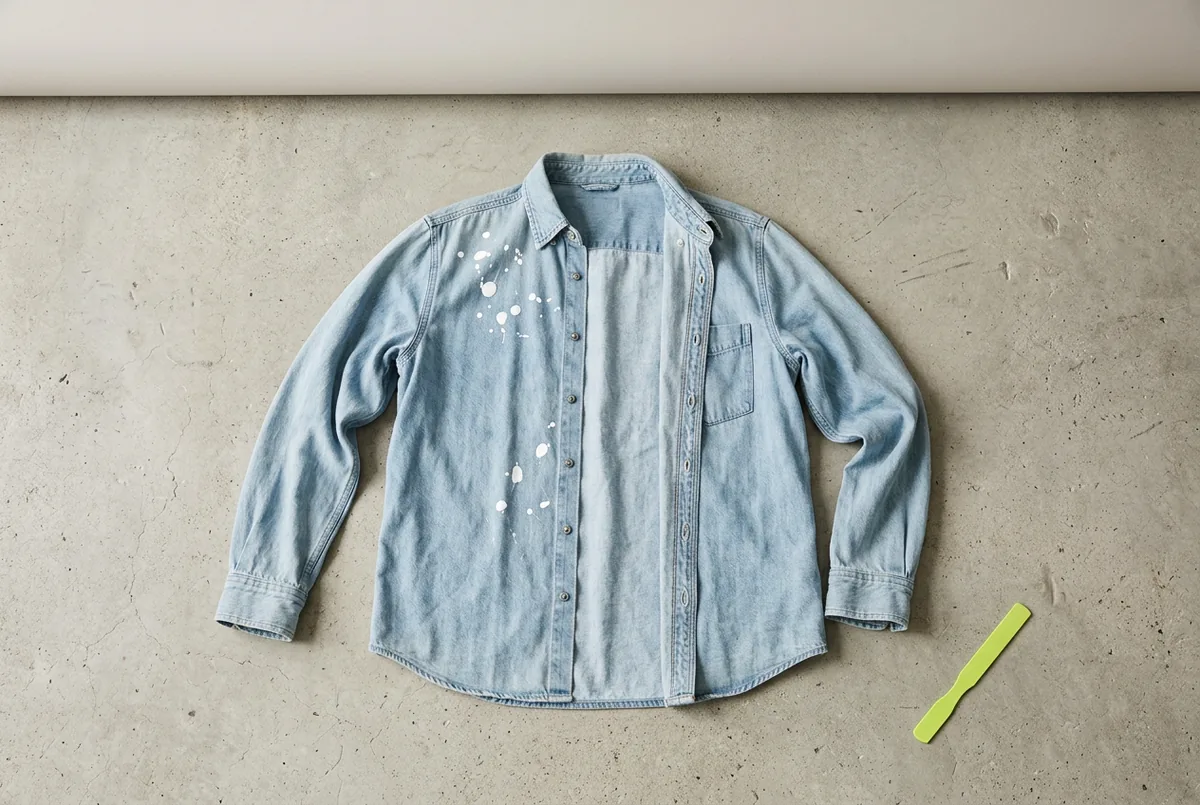
To get paint out of clothes, first determine if the paint is water-based (like latex and acrylic) or oil-based. For a fresh water-based stain, scrape off the excess, flush the spot from behind with cool water, and work in liquid detergent before washing. For a fresh oil-based stain, scrape off the excess and blot the stain with a solvent like turpentine or mineral spirits before washing it. In all cases, act quickly, check the garment’s care label, and never put a stained item in a machine dryer, as the heat can set the stain permanently.
Before you begin: Check the paint and the fabric
Your success depends on two things: the type of paint and the type of fabric. Always treat a stain before it dries. A dried paint stain has cured and bonded with the fabric fibers, making it much harder, and sometimes impossible, to remove.
First, identify the paint by checking the cleanup instructions on the can. Water-based paints, such as latex for walls and acrylic for crafts, specify soap and water for cleanup. Oil-based paints, often used for high-gloss trim or durable outdoor finishes, require a solvent like mineral spirits or turpentine.
Next, check the garment’s care label. The label is your primary guide for safe washing temperatures and methods, as required by the FTC’s Care Labeling Rule. If a label says “Dryclean Only,” it is a warning that washing will harm the fabric. For these items, scrape off any excess wet paint and take the garment to a professional dry cleaner. For delicate fabrics like silk, wool, or rayon, the label will tell you if home washing is safe, which typically involves cold water and gentle handling.
How to remove water-based paint (latex and acrylic)
Water-based paints are the most common cause of household stains and, fortunately, the easiest to remove from washable fabrics like cotton, denim, and polyester. Speed is your greatest advantage.
If the paint is still wet
A fresh spill can often be removed completely if you treat it immediately. Do not rub the wet paint, which can spread the stain and push it deeper into the fibers.
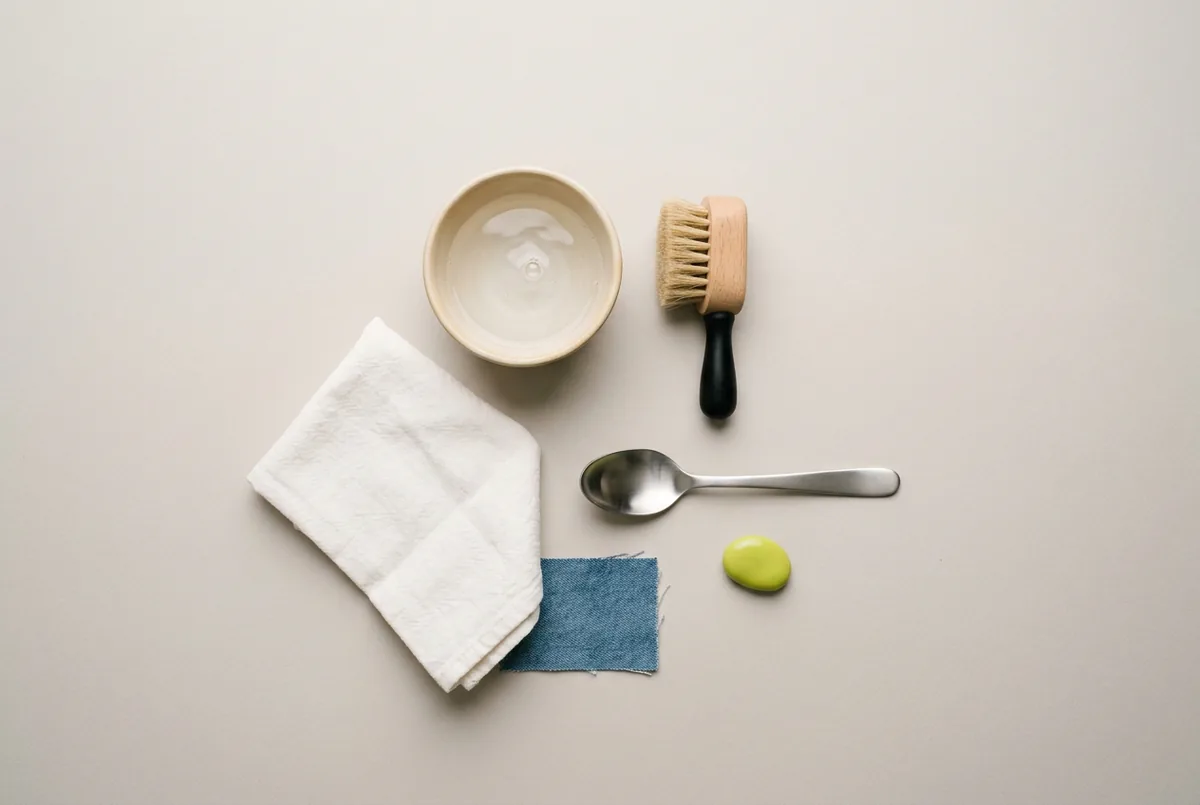
- Scrape off the excess. Use a spoon or the dull edge of a knife to lift as much wet paint off the surface of the fabric as you can.
- Flush with water. Turn the garment inside out and flush the stained area from the back with cool running water. This pushes the paint out of the fibers instead of further in.
- Apply detergent. Place the garment on a clean white towel. Apply a few drops of liquid laundry detergent to the stain and gently work it in with your fingers or a soft-bristled brush.
- Wash immediately. Launder the item according to its care label instructions. You can wash it with a normal load of laundry.
If the paint is dry
Dried acrylic or latex paint requires an extra step to soften the hardened paint before you can lift it from the fabric.
- Scrape and break up the paint. Use your fingernail, a dull knife, or a stiff brush to scrape off as much of the dried paint as possible. The goal is to break up the solid layer.
- Soften with alcohol. Isopropyl alcohol (rubbing alcohol) can dissolve dried paint, but you must test it on an inconspicuous spot first, like an inside seam. It can damage certain fibers like acetate, rayon, silk, and wool. If the fabric is safe, place the stained area face down on a clean white cloth and dab the back of the stain with an alcohol-soaked cotton ball until the paint softens.
- Work in detergent. Apply liquid laundry detergent directly to the stain and work it in with a soft brush. For a stubborn stain, you can let the garment soak in a solution of cold water and detergent for up to an hour before washing.
How to remove oil-based paint
Oil-based paint is more challenging to remove because it is not soluble in water. You will need to use a paint solvent, such as turpentine or mineral spirits. These are harsh chemicals that require careful handling.
Warning: Always work in a well-ventilated area, away from heat or open flames. Before applying any solvent to a stain, test it on a hidden part of the garment to make sure it does not remove dye or damage the fabric.
If the paint is still wet
- Scrape off the excess. Lift away as much of the wet paint as you can with a spoon or dull knife.
- Blot with solvent. Place the stained area face down on a thick layer of paper towels. Dip a clean cloth in your chosen solvent and blot the back of the stain. The solvent will dissolve the paint, and the paper towels underneath will absorb it. Keep moving to a clean section of the paper towels and your blotting cloth to avoid reapplying the paint.
- Treat with detergent. Once the paint is removed, the area will be saturated with solvent. To remove it, apply a small amount of liquid laundry detergent and rub it in.
- Rinse and wash. Rinse the treated area thoroughly before washing the entire garment according to its care label.
If the paint is dry
Removing dried oil-based paint is extremely difficult and may not be possible, as the paint cures into a durable film. If the garment is important, a professional dry cleaner is your best chance. If you decide to try at home, start by scraping off as much of the hardened paint as you can. Then, follow the same steps for a wet oil-based stain, but you will need to let the solvent sit on the stain for a longer period to break down the paint. This may require several applications, and some stains may be permanent.
Washing and checking your work
After you have treated the paint stain, the final wash is simple, but one rule is absolute: never put the garment in a machine dryer unless you are certain the stain is gone. The heat will set the stain permanently.
Wash the item following its care label. If the label is missing, use a cold-water wash to be safe. Let the garment air-dry completely. If you can still see any trace of the paint, repeat the removal steps.
The table below shows standard care for common, washable fabrics. If your garment is a blend, follow the instructions for the most delicate fiber in the mix.
| Care | Cotton | Polyester | Denim |
|---|---|---|---|
| Washing | Machine wash, cold or warm; dark colors inside out | Machine wash, cold or warm | Inside out, cold water, as rarely as you can |
| Drying | Line dry, or tumble dry on low | Line dry, or tumble dry on low | Line dry, out of direct sun |
| Ironing | High heat | Low heat | Medium to high heat, inside out |
| Watch out | 100% cotton can shrink in a hot first wash | Holds on to odors; skip fabric softener on activewear | Dark washes bleed dye at first; wash them separately |
When a paint stain is a job for a professional
Some stains require a professional dry cleaner. Take the garment to a cleaner in these situations:
- The care label says “Dryclean Only.” This is a direct instruction from the manufacturer that the garment cannot be safely washed. Do not use water or home solvents.
- The fabric is delicate. While materials like silk, wool, and rayon can often be hand-washed (if the label allows), a mistake can be irreversible. If the garment is valuable, a professional is the safer choice.
- The stain is old, large, or on a structured garment. A professional has access to stronger, specialized solvents and equipment to treat set-in stains or clean items like a blazer without altering its shape.
- You are dealing with oil-based paint on a delicate fabric. The solvents required for oil paint are too harsh for many materials. A dry cleaner can assess the risk and choose the appropriate treatment.
Read next