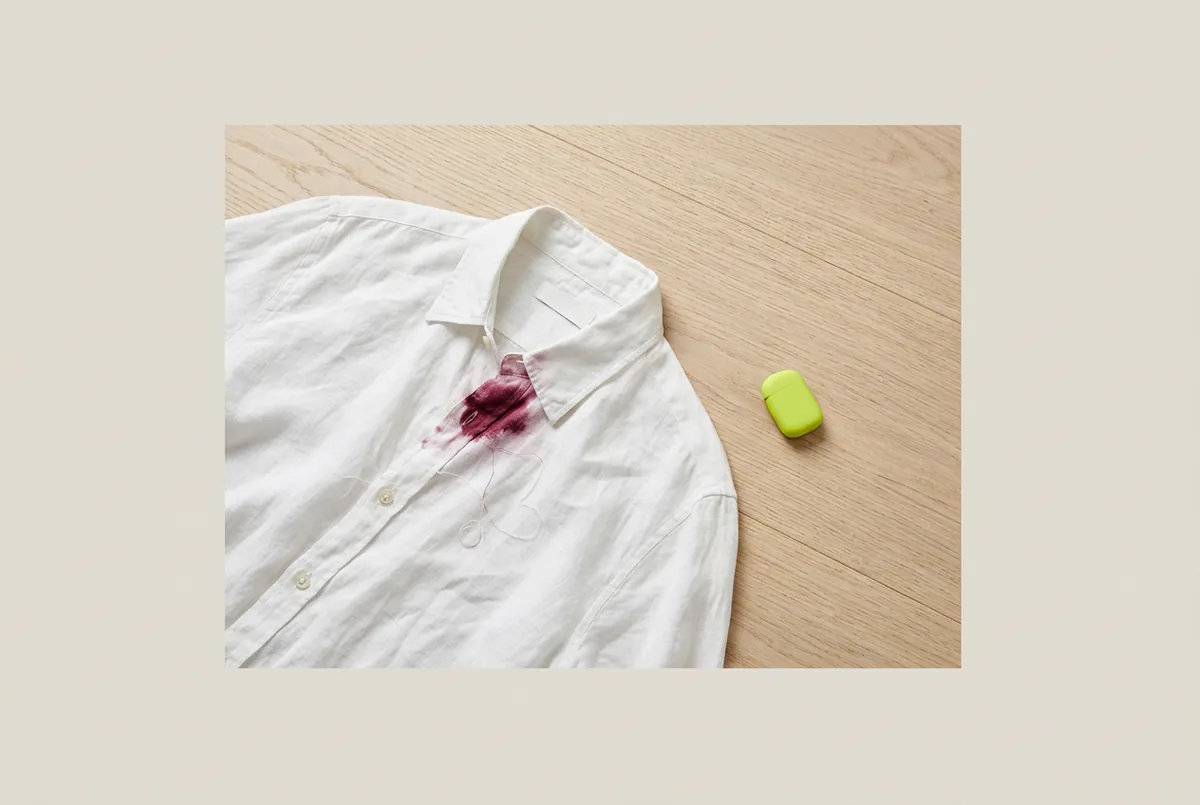
To get blood out of clothes, immediately rinse the stain with cold running water. Hold the fabric so the water hits the back of the stain, pushing it out of the fibers rather than deeper in. Never use hot water, which cooks the proteins in blood and sets the stain permanently. After rinsing, gently blot the area with a clean cloth and apply a small amount of soap or an enzymatic detergent before washing the garment in a cold cycle.
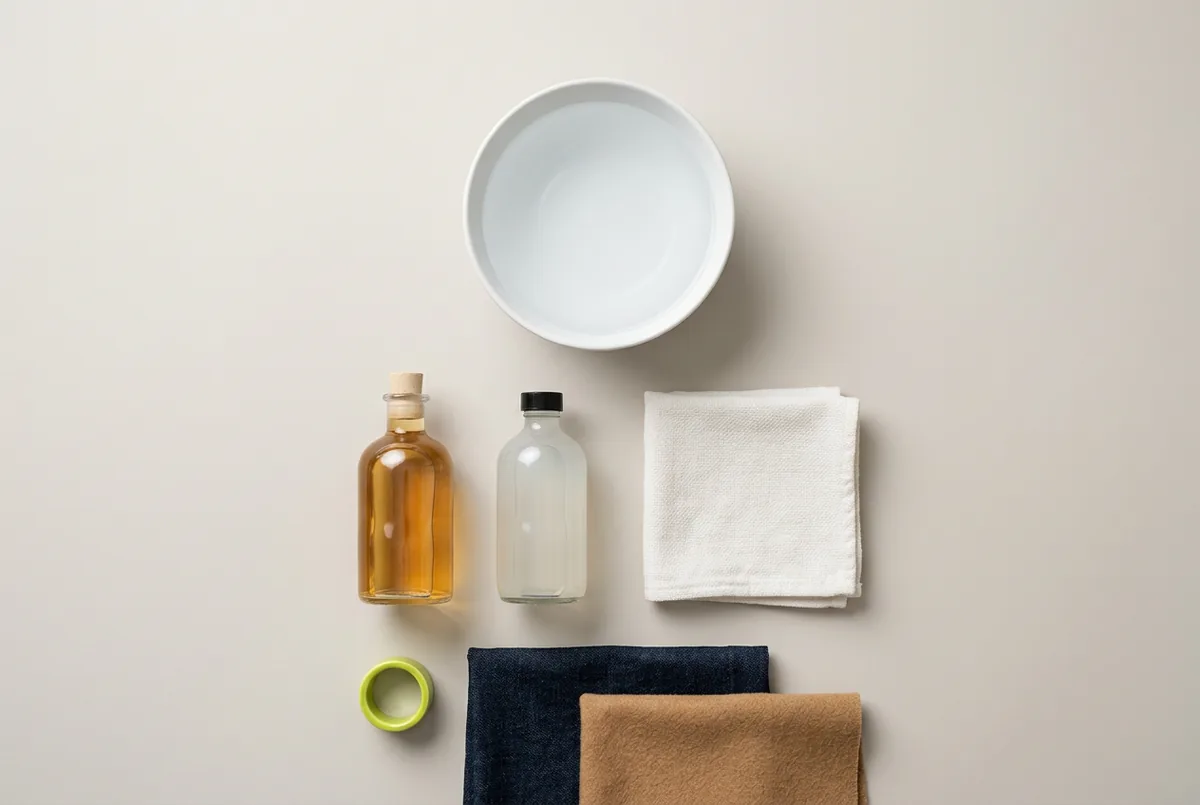
First response: How to treat a fresh blood stain
Time is the most important factor in successfully removing a blood stain. If you can treat it while it is still fresh, you have a very high chance of removing it completely with minimal effort. The goal is to dissolve and lift the blood before it has a chance to bind with the fabric’s fibers.
Follow these steps for any common, washable fabric like cotton, linen, or polyester blends. For delicates like silk or wool, see the specific instructions further down.
- Rinse with cold water. Take the garment to a sink and run cold water through the back of the stained area. This pressure helps flush the blood out of the fabric. If you are not near a sink, blot the stain with a cloth soaked in cold water or an ice cube.
- Gently blot the stain. Press a clean, damp cloth or paper towel onto the stain. Do not rub or scrub. Rubbing can push the stain deeper into the fibers and may cause it to spread, creating a larger, fainter stain that is harder to remove.
- Apply a cleaning agent. Work a small amount of a simple cleaning agent into the stain. You can use bar soap, liquid hand soap, or a bit of your regular laundry detergent. For protein-based stains like blood, an enzymatic detergent is particularly effective. Gently rub the fabric against itself to create a lather.
- Rinse and repeat if needed. Rinse the area again with cold water. If any trace of the stain remains, repeat the process of applying soap and rinsing.
- Wash as usual, but check before drying. Once the stain is gone, you can wash the garment according to its care label. Before you put it in the dryer, check the spot one last time. The heat from a dryer will set any remaining stain, making it nearly impossible to remove. If the stain persists, move on to the methods for dried stains.
How to remove dried or set-in blood stains
A dried blood stain is more challenging because the hemoglobin has clotted and bonded to the fabric. Removing it requires more patience and often a stronger cleaning solution. The first step is always to rehydrate the stain.
Start by soaking the garment in cold water for at least 30 minutes, or up to several hours for a very stubborn stain. This will help to loosen and dissolve the dried blood. After soaking, you can use a more targeted treatment. Two of the most effective options are an enzymatic cleaner or hydrogen peroxide.
Using an enzymatic cleaner
Enzymatic cleaners are detergents or stain removers that contain specific enzymes, such as protease, which are designed to break down protein-based stains like blood, sweat, and grass. You can find them labeled as “enzymatic” or check the ingredient list for enzymes like protease, amylase, or lipase.
After soaking, apply the enzymatic cleaner directly to the stain. Use a soft-bristled brush, like an old toothbrush, to gently work it into the fibers. Let it sit for at least an hour before washing the item in a cold water cycle. Do not use enzymatic cleaners on wool or silk, as the enzymes can also break down the protein fibers of the fabric itself.
Using hydrogen peroxide
Hydrogen peroxide (3% solution, the kind sold in brown bottles at drugstores) is an effective oxidizer that breaks apart the blood stain. However, it can also act as a mild bleach, discoloring or lightening some fabrics. It is safest to use on white or light-colored, sturdy fabrics like cotton. Always perform a spot test first on a hidden area, like an inside seam or hem, to see if it affects the color.
If the spot test is successful, apply the hydrogen peroxide directly to the stain. It will foam as it reacts with an enzyme in the blood called catalase. Let it work for a few minutes, then blot it with a clean cloth and rinse thoroughly with cold water. Repeat if necessary, then wash the garment as usual. Do not use hydrogen peroxide on silk or wool.
Do
- Cold water rinse
- Enzymatic cleaners
- Spot-testing hydrogen peroxide on a hidden seam
Avoid
- Hot water
- Vigorous rubbing
- Chlorine bleach
- Machine drying a stained item
Special care for delicate fabrics
Treating blood stains on delicate fabrics like silk and wool requires a much gentler approach. The structure of these protein fibers can be damaged by vigorous cleaning, hot water, and the enzymes that work so well on cotton.
For a fresh stain on silk or wool, your goal is to remove as much as possible without saturating the fabric. Gently scrape off any surface residue with a dull edge. Then, dip a clean cloth in cold water, wring it out well, and carefully blot the stain from the outside in to prevent it from spreading. Avoid any rubbing.
Soaking is not recommended, as it can weaken silk and cause wool to felt or lose its shape. If blotting with cold water does not remove the stain, the safest option is to take the garment to a professional dry cleaner. Point out the stain and tell them what it is; they have specialized solvents and techniques for safely treating biological stains on delicate materials.
Always follow the care label for the final wash
A stain-free but shrunken or damaged garment is not a success. Once the stain is completely gone, wash the item following its care label, as required by the U.S. Federal Trade Commission. The label provides the manufacturer’s tested instructions for at least one safe cleaning method. The table below outlines standard washing procedures for common fabrics, including delicates like silk and wool, but if your garment’s label contradicts this advice, follow the label.
| Care | Cotton | Silk | Wool |
|---|---|---|---|
| Washing | Machine wash, cold or warm; dark colors inside out | Hand wash cold with a mild detergent, or dry clean if the label says so | Hand wash cold with wool detergent, or the wool cycle |
| Drying | Line dry, or tumble dry on low | Flat on a towel, out of the sun; never wring | Flat, never hanging |
| Ironing | High heat | Low heat, inside out | Steam, or medium heat with a damp press cloth |
| Watch out | 100% cotton can shrink in a hot first wash | Perfume and deodorant leave marks | Heat plus agitation shrinks it for good (felting) |
What about blood stains on non-washable items?
Items you cannot put in a washing machine, like a mattress, carpet, or upholstered furniture, require a different technique that uses minimal moisture. The goal is to lift the stain without soaking the material, which could lead to water damage or mold.
- Remove excess. For a fresh stain, blot with a clean, dry cloth to absorb as much blood as possible. For a dried stain, gently scrape or brush off any surface residue with a dull knife or a stiff brush.
- Dampen the area. Lightly spray the stain with cold water from a spray bottle or dab it with a cloth dampened with cold water. Do not saturate the area.
- Apply a cleaning solution. Mix a small amount of a gentle cleaning agent with cold water. Good options include a few drops of liquid dish soap or an enzymatic cleaner. Alternatively, a paste of baking soda and cold water can be effective. Apply the solution to the stain with a clean cloth or a soft brush, working from the outside edge of the stain toward the center to prevent it from spreading.
- Blot to rinse. Dampen a fresh cloth with plain cold water and blot the area to remove the cleaning solution and any remaining blood.
- Dry thoroughly. Press a clean, dry towel firmly onto the area to absorb as much moisture as possible. Allow the item to air dry completely. Pointing a fan at the spot can speed up the process and help prevent water rings.
Read next