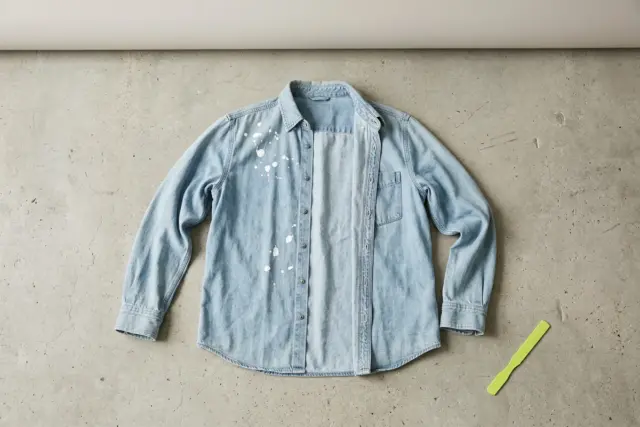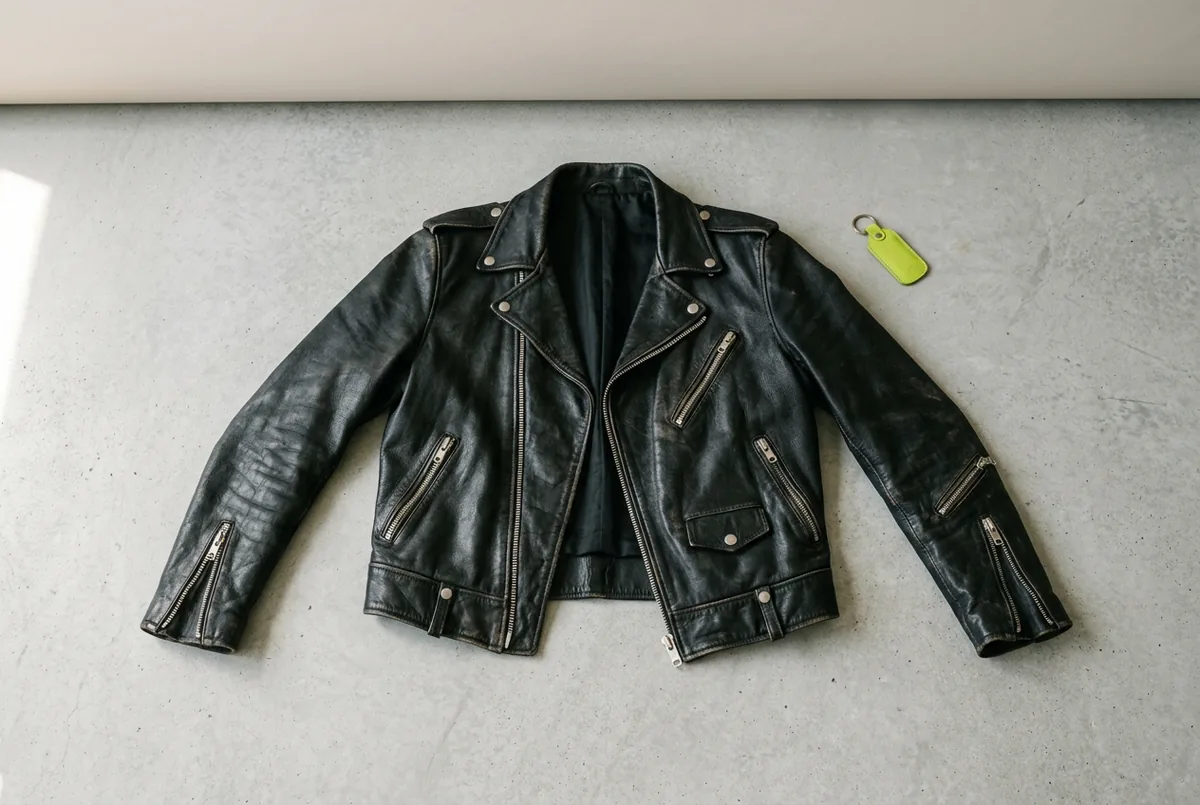
Cleaning a leather jacket at home requires separating the process into three parts: the lining, the exterior, and conditioning. For general maintenance, spot-clean the lining with a damp cloth and a small amount of mild soap, and wipe down the outer shell with a different clean, damp cloth. After cleaning, or once or twice a year, apply a leather conditioner to restore moisture and keep the material from cracking. Always test any cleaning product or conditioner on a small, hidden area first, such as the inside of a cuff or hem.
Before you start: check the label and test your products
Before attempting any cleaning, check the jacket’s care label. Manufacturers are required to provide at least one safe cleaning method, and this instruction overrides any general advice. According to the FTC’s Care Labeling Rule, a label that says “Dryclean” does not forbid washing, but one that says “Dryclean Only” is a warning that the garment could be damaged by water. If your jacket has this warning, it is best to trust it to a professional.
This guide is for smooth leather. Suede, nubuck, or shearling require different tools and techniques, as water and conditioners can stain them or ruin their texture. Faux leather, which is a plastic material, can be wiped down but does not need conditioning.
No matter the stain or cleaning method, always test it on an inconspicuous part of the jacket first. The area inside a pocket flap or along an interior seam works well. Apply a small amount of your cleaning solution or conditioner, let it sit for a few minutes, then wipe it away and let the spot dry completely. If you see any discoloration or damage, do not proceed.
How to clean the jacket lining
The lining of a jacket absorbs sweat and body oils, so it often needs more attention than the leather itself. Since you cannot put the entire jacket in the wash, you will spot-clean the lining by hand.
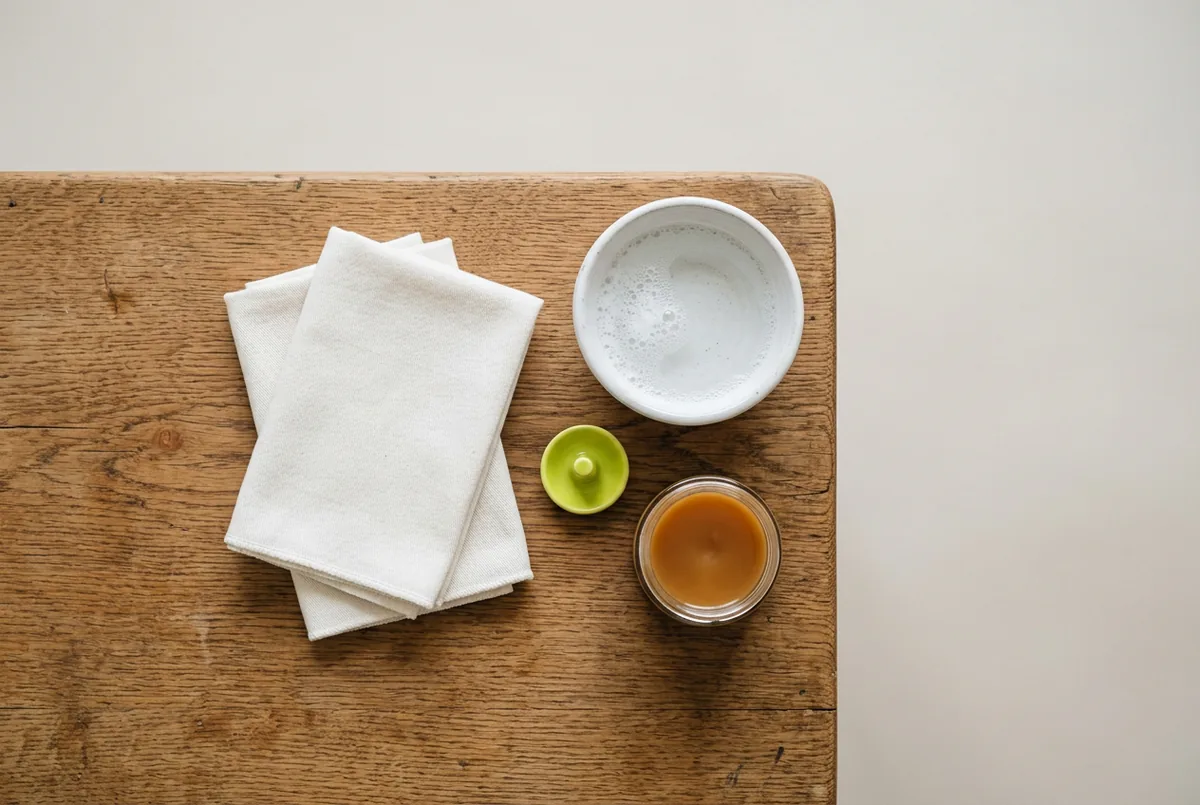
- Prepare your cleaning solution. In a small bowl, mix a few drops of a mild, pH-neutral soap (such as a detergent for delicates) with cool water. Avoid harsh detergents or any product containing bleach.
- Turn the jacket inside out. Hang it on a sturdy, wide hanger to make it easier to work on the lining, focusing on the collar and underarm areas.
- Clean the lining. Dip a clean, soft cloth into the soapy water and wring it out until it is just damp. Gently dab and wipe the soiled areas of the lining. Do not scrub aggressively, as this can damage the fabric.
- Rinse the area. Use a second clean cloth dampened with only plain water to wipe away any soap residue.
- Let it air dry. Leave the jacket hanging inside out, away from direct sunlight or heat, until the lining is completely dry. Never use a hairdryer or put it in the dryer, as intense heat can shrink the lining and dry out the leather.
How to clean the leather exterior and treat stains
For routine cleaning, a simple wipe-down is usually enough to remove dust and surface dirt. For specific stains, you need a more targeted approach.
Routine cleaning
Dampen a soft, lint-free cloth with water and wring it out thoroughly. You want it to be damp, not wet. Wipe down the entire surface of the jacket to remove dust. Work in sections, using long, gentle strokes. Let the jacket air dry completely on a hanger before wearing or storing it.
Removing common stains
- Water spots: Rain or spills can leave marks on leather. The best approach is to treat the entire panel where the spot occurred. Dampen a cloth and lightly wipe the surface from seam to seam. This evens out the color as it dries, making the original spot disappear. Let it dry naturally.
- Oil or grease: If you get an oil or grease stain, act quickly. Blot any excess with a dry cloth, without rubbing. Then, cover the stain with a generous layer of cornstarch or talcum powder. Let it sit for several hours, or even overnight. The powder will absorb the oil. Gently brush the powder off with a soft cloth. Repeat if necessary.
- Ink marks: Ink stains are difficult and risky to remove at home because solvents strong enough to dissolve ink can also strip the leather’s dye and protective finish. For ink marks of any size, the safest course of action is to take the jacket to a professional leather cleaning specialist to avoid causing permanent damage.
The following guide summarizes the most important points for keeping your jacket in good condition.
Do
- Test cleaners on a hidden spot first
- Use soft, clean, lint-free cloths
- Condition the leather once or twice a year
- Store on a wide, padded hanger
Avoid
- Soak the jacket in water
- Use direct heat or sunlight to dry
- Use harsh chemical cleaners or bleach
- Store it in a plastic bag
Conditioning to keep leather soft
Leather is a natural skin, and it can dry out, grow brittle, and crack over time. Conditioning restores the oils that keep it flexible and protected. You should condition your jacket after a deep cleaning or once or twice a year for maintenance, depending on your climate. In dry regions, you may need to do it more often.
Choose a conditioner specifically formulated for leather goods. Avoid conditioners that contain silicone, as it can seal the leather’s pores, preventing it from breathing and making future maintenance difficult. Products with natural waxes, such as beeswax or carnauba, are often beneficial as they help protect and moisturize the leather.
- Start with a clean, dry jacket. Conditioning works best when the leather is free of dirt.
- Apply a small amount of conditioner. Put a dime-sized amount of conditioner onto a clean, dry cloth. A little goes a long way.
- Work it into the leather. Using gentle, circular motions, massage the conditioner into the jacket’s surface. Work in sections to ensure even coverage. Pay attention to areas that bend and flex, like the elbows and shoulders.
- Let it absorb. Let the jacket sit for the time recommended on the conditioner’s label, allowing the leather to absorb the oils.
- Buff off the excess. With a different clean, dry cloth, gently buff the entire jacket to remove any remaining residue and restore its sheen.
How to store a leather jacket
Proper storage is a key part of maintenance. When you are not wearing your jacket, especially for a whole season, how you store it prevents damage and keeps it ready to wear. This is particularly important if you rotate your clothes seasonally, for example as part of a fall capsule wardrobe.
Always use a wide, padded, or wooden hanger. A thin wire hanger can stretch and deform the shoulders over time. The weight of the leather needs proper support.
Store the jacket in a cool, dry place away from direct sunlight, which can fade and dry out the leather. Keep it in a breathable garment bag made of cotton or woven fabric. Never store a leather jacket in a plastic dry-cleaning bag. Plastic traps moisture, which can lead to mildew, and prevents the leather from breathing.
The care rules below apply to most smooth leather garments, but always defer to your jacket’s own label.
| Care | Leather |
|---|---|
| Washing | Do not wash in water; wipe with a slightly damp cloth |
| Drying | Away from sun and heaters |
| Ironing | Do not iron |
| Watch out | Condition it now and then and store it where air circulates |
For more information on reading the symbols on your garment’s care tag, you can consult the official guide from the Federal Trade Commission, the agency that regulates care labeling in the US. The FTC explains the rule and the meaning of the symbols in “Clothes Captioning: Complying with the Care Labeling Rule”.
Read next