Wash a standard bra after every three to four wears. This general rule balances hygiene with the need to preserve the bra’s delicate elastic fibers. Letting a bra rest for at least a day between wears allows the elastic to recover its shape, which helps the band and straps continue to provide support. This three-to-four-wear guideline changes, however, based on the weather, your activity level, and the bra’s material.
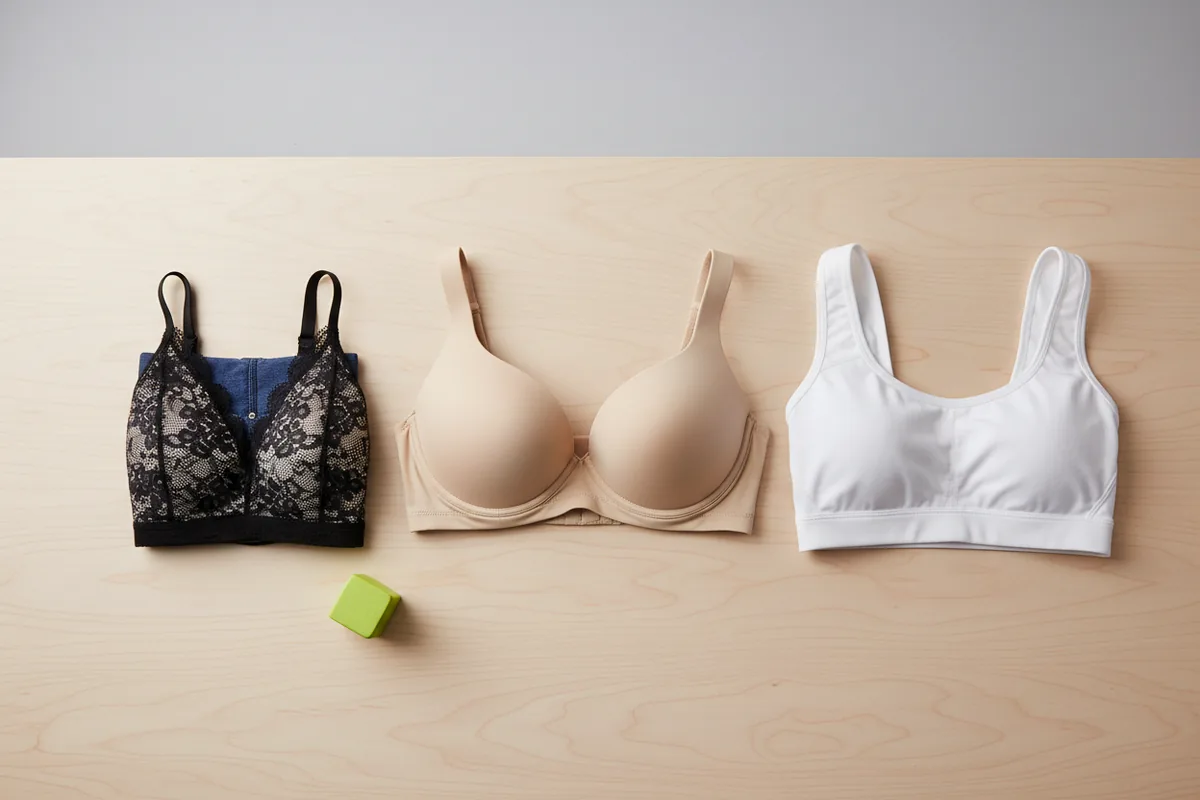
When to wash your bra: a decision rule
While wearing a bra three or four times before washing is a good starting point, it is not a universal rule. The main reason to wash a bra is to remove the buildup of sweat, oils, and skin cells that can degrade fabric and cause skin irritation. Adjust the frequency based on a few key factors.
Consider the climate and your activity. On a hot, humid day or if you have been physically active, wash your bra after a single wear. Sweat breaks down elastane (spandex), the fiber that gives a bra its stretch and support. For those living in the humid South or the dry heat of the Southwest, more frequent washing during the summer is necessary. In a mild winter, you can get more wears between washes.
The material also matters. Cotton and other natural fibers absorb moisture, so they may feel less fresh after one or two wears in warm weather. Synthetic fabrics like polyester and nylon, common in molded-cup and t-shirt bras, can trap odor-causing bacteria and may need washing sooner even if they feel dry. Delicate lace or silk bralettes worn for short periods with little perspiration can go longer between washes.
How to wash your bras to make them last
Proper washing technique is more important than frequency for extending the life of a bra. Heat and agitation are the enemies of a bra’s structure, especially its elastic bands and any molded cups or underwires. Hand washing is the gentlest method, but you can safely machine wash with the right precautions.
- Prepare for washing. Fasten the hooks and clasps to prevent them from snagging on other items or the bra itself. If machine washing, always place bras inside a mesh lingerie bag. This protects them from twisting and catching on the machine’s agitator or other garments.
- Choose the right cycle and temperature. Use your washing machine’s delicate or gentle cycle and always use cold water. Hot water is the fastest way to destroy elasticity, causing the band to stretch out and lose its supportive function. According to the FTC’s Care Labeling Rule, a garment’s label only needs to list one safe washing method, but cold water is almost always the safest choice for delicates.
- Use a mild detergent. A small amount of a detergent made for delicates is ideal. Avoid using fabric softener, which can leave a residue on synthetic fibers that traps odors and can degrade the fabric’s wicking properties.
- Never use the dryer. The high heat of a tumble dryer will ruin the elastic, damage the foam in molded cups, and can even cause underwires to warp or poke through the fabric. Heat breaks down the spandex (elastane) fibers that provide stretch, permanently damaging the garment.
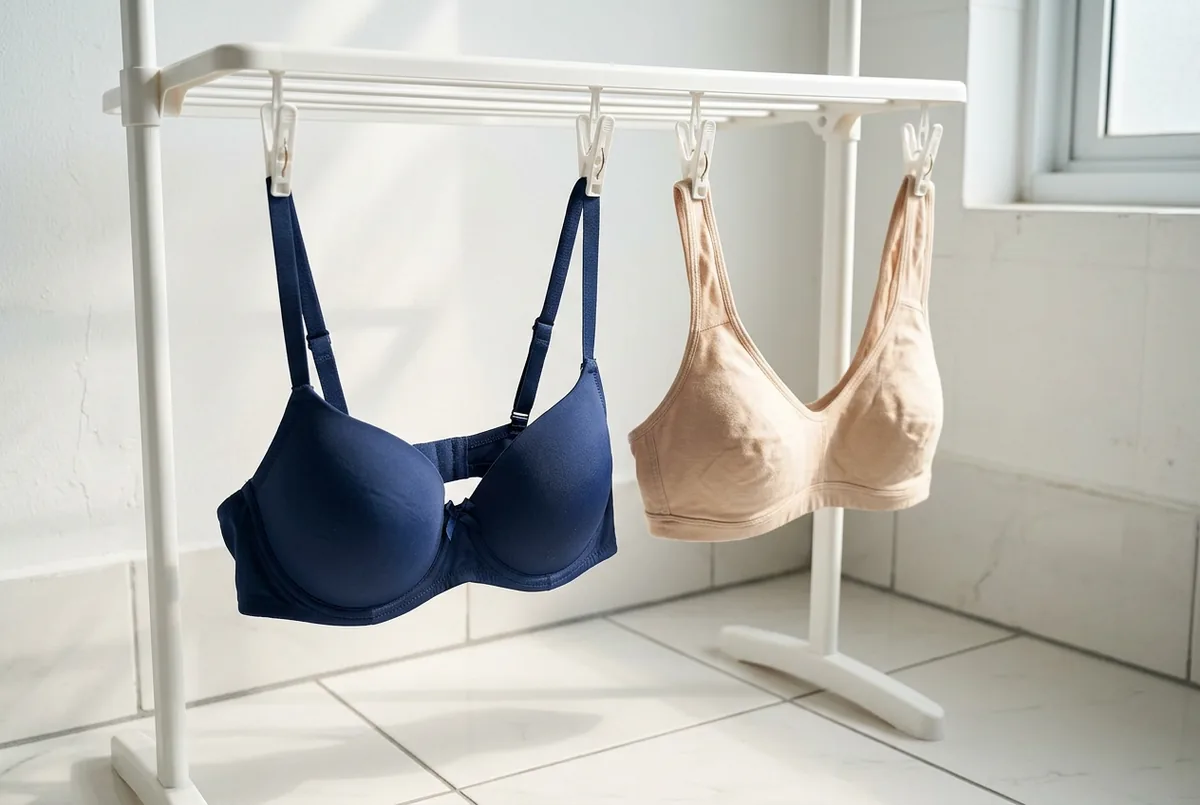
- Air-dry correctly. After washing, gently squeeze out excess water. Never wring or twist the fabric. You can press the bra between two towels to absorb more moisture. Reshape the cups with your hands. To dry, either lay the bra flat on a towel or hang it from the center gore (the piece of fabric connecting the cups). Do not hang a bra by its straps; the weight of the water will stretch them out permanently.
The care instructions below apply to the common fabrics used in bras, but always defer to the garment’s own care label. Most bras are made of a blend of fibers, with elastane (spandex) providing the stretch, so avoiding heat is the most important rule.
| Care | Cotton | Polyester |
|---|---|---|
| Washing | Machine wash, cold or warm; dark colors inside out | Machine wash, cold or warm |
| Drying | Line dry, or tumble dry on low | Line dry, or tumble dry on low |
| Ironing | High heat | Low heat |
| Watch out | 100% cotton can shrink in a hot first wash | Holds on to odors; skip fabric softener on activewear |
What about sports bras?
Wash your sports bra after every single use. There is no exception to this rule. Sports bras are specifically designed to handle high levels of activity and sweat. The combination of moisture-wicking synthetic fabrics, a tight fit, and intense perspiration creates an environment where bacteria can thrive, leading to skin irritation and persistent odors that can be difficult to remove if left to set.
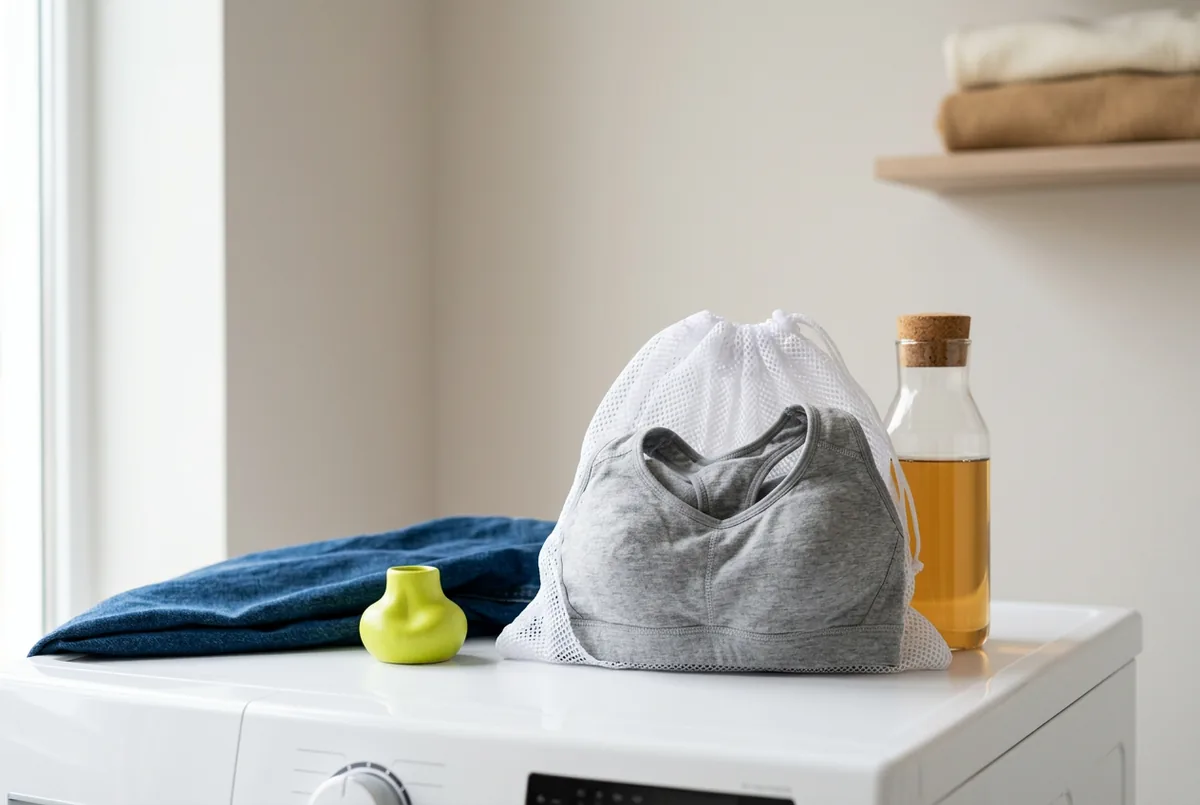
The washing method for sports bras is the same as for regular bras: fasten the hooks, place it in a mesh bag, and wash on a gentle cycle with cold water and a mild detergent. Like other bras, they should always be air-dried to preserve their elasticity and performance features.
Storing bras to preserve their shape
How you store your bras is nearly as important as how you wash them. Improper storage can ruin molded cups and put stress on the bands.
For bras with molded or padded cups, do not fold one cup inside the other. This creates permanent creases in the foam and will distort the shape of the cup. Instead, lay them flat in a drawer, stacking them one behind the other like they are displayed in a store. This helps them keep their intended form.
Bras without molded cups, such as bralettes and non-wired soft-cup styles, can be folded in half between the cups and stored in a drawer. Whatever the style, avoid cramming bras into a crowded space, as this can bend underwires and crush the garment’s structure.
Reading the care label on your bra
When in doubt, your bra’s care label has the final say. Manufacturers are required by law to provide at least one safe cleaning method. You will typically see symbols instead of words. A washtub icon represents washing; a hand in the tub means hand wash only. The square icon is for drying; a circle inside the square means tumble dry, which you should avoid for bras, while an X through it confirms that warning. The triangle symbol is for bleach. An X through the triangle means do not use any bleach. Because chlorine bleach damages the elastane fibers that give a bra its stretch, it should always be avoided. If the label shows a triangle with diagonal lines, it means you can use a non-chlorine bleach.
If a label says “Dryclean,” it means that dry cleaning is a safe method, not that it is the only method. “Dryclean Only” is a specific warning that the garment cannot be washed. For most bras, however, gentle washing at home is not only safe but preferable for maintaining the integrity of the elastic and delicate components.
Read next