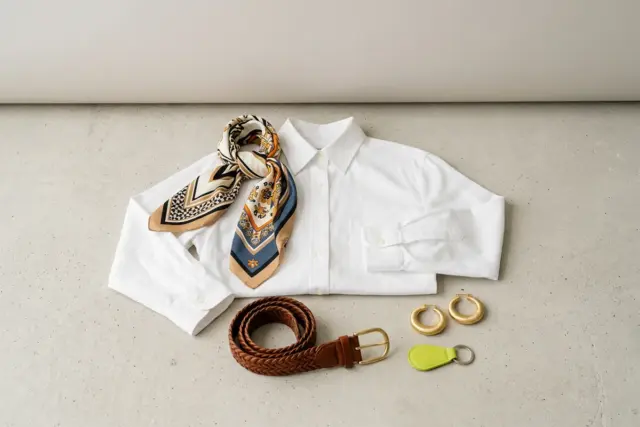
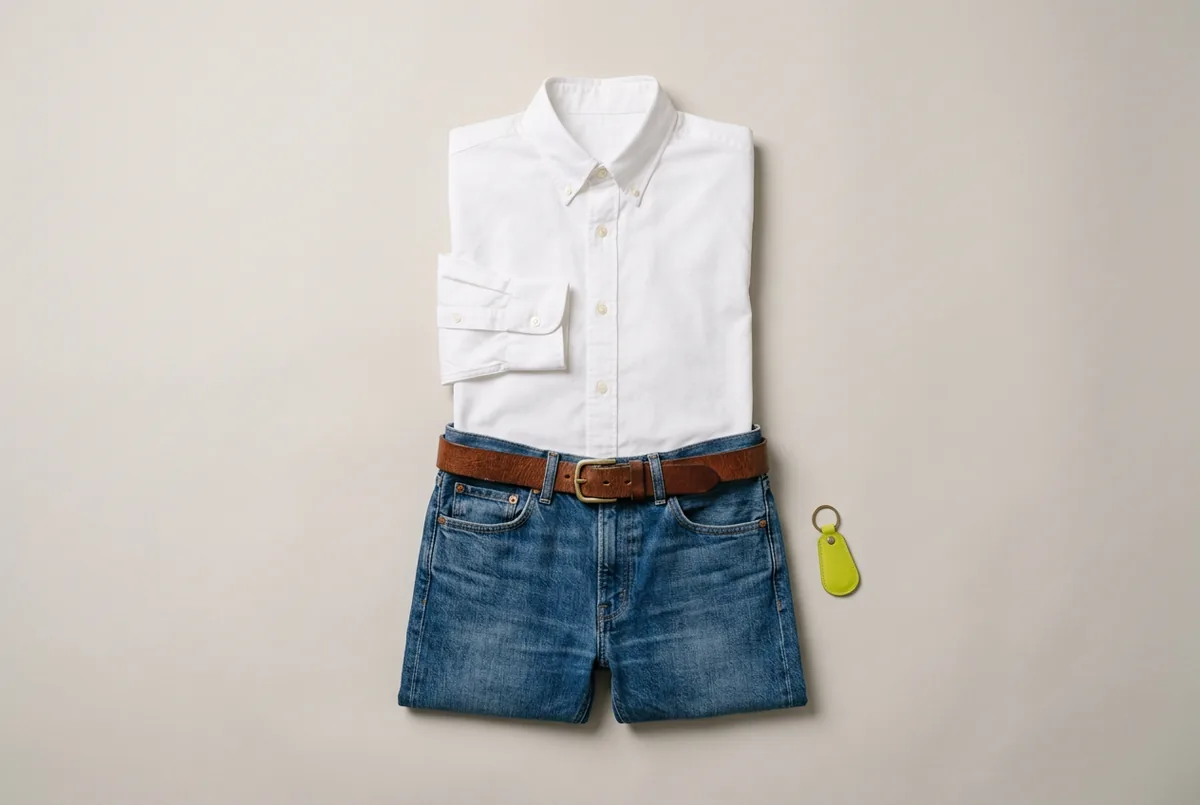
To wear a button-down shirt in a modern way, choose a relaxed-fit style and tuck it into high-waisted bottoms. This combination defines the waist and creates a balanced proportion that avoids a boxy or stuffy look. Rolling the sleeves to the forearm and leaving the top one or two buttons undone further relaxes the silhouette, shifting the shirt from a piece of a uniform to a versatile staple for everyday wear. The key is to consciously break up the shirt’s inherent structure with a deliberate tuck and roll.
The foundation: Finding the right fit and fabric
The first step to styling a button-down is selecting the right one. While a sharply tailored shirt is necessary for some business formal settings, a slightly looser, more relaxed cut offers far more versatility for daily life. Look for styles labeled “relaxed,” “boyfriend,” or “straight cut.” These fits provide more fabric to work with for tucking and draping, and they are less likely to pull or gape at the chest, a common issue with darted, close-fitting shirts. If a shirt fits your shoulders and bust but is too wide at the waist, a tailor can easily add darts to the back for more definition.
Fabric choice is just as important as fit. A classic 100% cotton poplin offers a crispness that holds its shape, making it a reliable option for both casual and smarter looks. For warmer climates or a more fluid silhouette, consider linen, silk, or rayon (viscose). Linen’s natural texture and breathability make it ideal for humid heat, and its tendency to wrinkle is part of its character. Silk and rayon have a softer drape that hangs closer to the body, which can feel more dressed-up. Always check the fiber content label. A blend with a small amount of spandex adds stretch for comfort, but a high percentage of polyester will be less breathable in warm weather.
Outfit formula: Smart and versatile
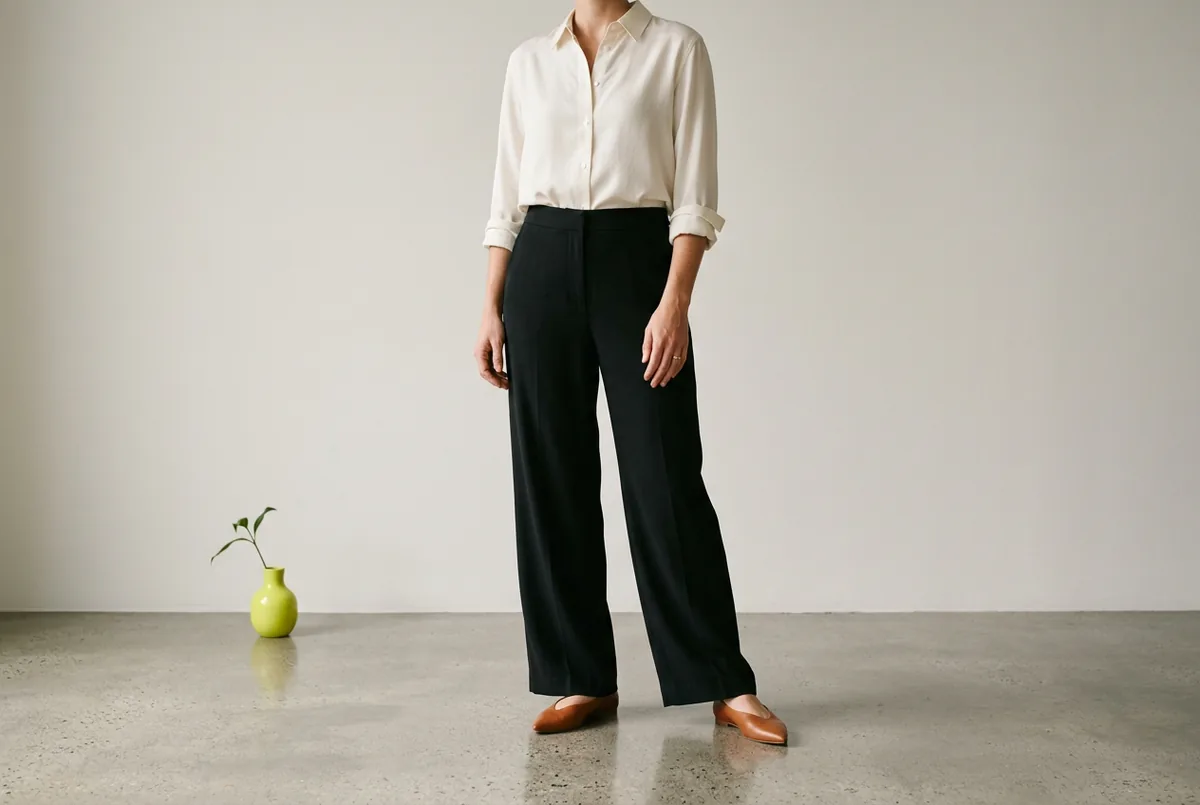
To dress up a button-down for a creative workplace, a dinner out, or a social event, switch the jeans for a pair of tailored trousers. Wide-leg or straight-leg trousers in a dark, solid color create a long vertical line. With this type of bottom, a full tuck is best to highlight the waist and show the full shape of the pants. A shirt in a fabric with some drape, like a silk or viscose blend, prevents the combination from looking too corporate. The softness of the shirt complements the structure of the trousers for a balanced and elegant outfit.
Outfit formula: Layered for cooler weather
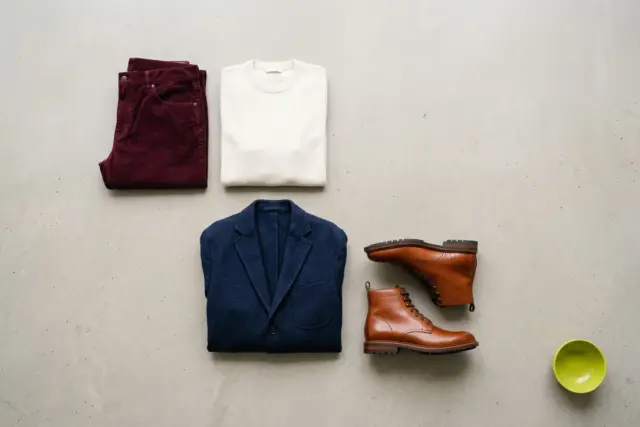
A button-down shirt is an excellent layering piece for fall and winter. Worn under a crewneck or v-neck sweater, it adds a layer of warmth and a touch of polish. The key is to let the shirt’s collar, cuffs, and hem peek out. This creates visual interest through layers and texture. The visible collar frames the face, and turned-back cuffs over the sweater’s sleeves look intentional. This formula works well with a variety of pants, including classic corduroy pants for added texture and seasonal feel.
Key styling techniques: Tucks, rolls, and knots
How you style your shirt makes all the difference. These three techniques can change the entire feel of your outfit.
- The Half-Tuck: Also known as the French tuck, this involves tucking in only the front few inches of the shirt, right around the belt buckle. It creates waist definition from the front while maintaining a relaxed, untucked look from the back and sides. It works best with mid- to high-rise pants and helps avoid the bulk of a full tuck with heavier fabrics.
- The Master Sleeve Roll: A sloppy sleeve roll can look accidental. For a deliberate and secure roll, use this method. First, unbutton the cuff. Flip the cuff back and pull it up your arm to just below your elbow. Then, take the loose fabric at the bottom and fold it up until it traps the bottom of the cuff, leaving the top edge of the cuff exposed. This creates a clean, secure roll that stays in place.
- The Waist Knot: Tying the two ends of your shirt at your natural waist is a casual alternative to tucking. This style works best with high-waisted skirts, shorts, or pants, as it requires you to leave the bottom buttons of the shirt undone. It’s most effective with softer, less crisp fabrics like rayon or linen that create a smaller, less bulky knot. Ensure the knot is secure but not so tight that it strains the fabric. Because it can expose the midriff, this look is best reserved for casual, warm-weather occasions.
How to get the details right
Beyond the big formulas, small details determine whether a button-down shirt looks polished or plain. The right fit avoids pulling at the bust, while a deliberate tuck prevents an outfit from looking shapeless. The goal is to use the shirt as a component in a thoughtful outfit, not as an afterthought.
Do
- Choose a relaxed or straight cut for styling versatility
- Tuck or half-tuck into high-waisted bottoms
- Roll the sleeves to just below the elbow
- Leave one or two top buttons undone for a less formal look
Avoid
- A fit that pulls across the bust
- Letting a long shirt hang loose over low-rise pants
- Stiff, perfectly pressed cuffs for a casual outfit
- Pairing it with equally formal business trousers unless intended for an office
Letting a long, untucked shirt hang over low-rise pants tends to visually shorten the legs and cut the torso in half. By tucking the shirt into a higher rise, you raise the perceived waistline, which creates the impression of a longer leg line. Even a small detail like unbuttoning the top one or two buttons can significantly change the tone of the shirt, making it feel more open and approachable than when buttoned all the way to the neck.
Caring for your button-down shirts
Proper care will keep your shirts looking their best for years. Always check the garment’s care label first, as it provides the safest instructions for that specific item. Most button-down shirts are made from cotton, silk, or rayon blends, each with different needs.
Cotton is durable but can shrink in a hot wash or a hot dryer, especially on the first wash. Silk is a strong fiber but is susceptible to damage from high heat and harsh detergents. Rayon (viscose) is weaker when wet and can easily shrink or lose its shape if not handled gently. Following the label is the best way to preserve the fit and fabric of the shirt.
| Care | Cotton | Silk | Rayon (viscose) |
|---|---|---|---|
| Washing | Machine wash, cold or warm; dark colors inside out | Hand wash cold with a mild detergent, or dry clean if the label says so | Hand wash or gentle cycle, cold water |
| Drying | Line dry, or tumble dry on low | Flat on a towel, out of the sun; never wring | On a hanger; do not wring |
| Ironing | High heat | Low heat, inside out | Low to medium heat, inside out |
| Watch out | 100% cotton can shrink in a hot first wash | Perfume and deodorant leave marks | Shrinks and loses shape with heat and twisting |
A well-styled button-down shirt is one of the most versatile pieces you can own. Rather than reserving it for formal occasions, think of it as a base for building a range of outfits. By experimenting with different tucks, bottoms, and layers, you can adapt it to nearly any setting, making it a true foundation of a practical wardrobe. For more ideas on building a versatile collection of clothes, see our guide on how to build a fall capsule wardrobe.
Read next