A functional fall capsule wardrobe relies on a small, intentional collection of pieces that work together. The process starts by defining a personal color palette of neutrals and accent colors. From there, you can assemble a core wardrobe using a simple formula, such as five tops, four bottoms, three layers, two pairs of shoes, and one bag. This small set of around 15 items can generate a surprisingly large number of distinct outfits, eliminating the feeling of having a closet full of clothes with nothing to wear.
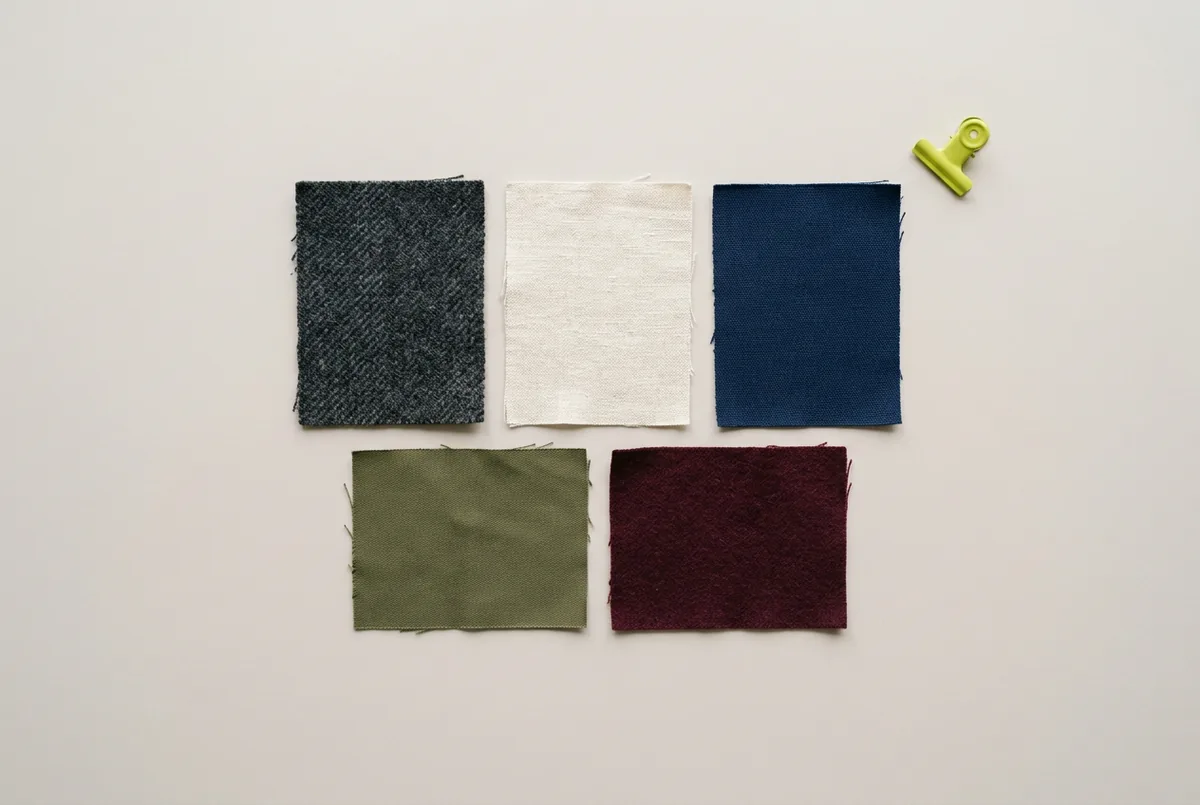
First, define your color palette
The key to a capsule wardrobe is not the number of items, but how they relate. A cohesive color palette ensures you can mix and match nearly everything, so instead of picking colors at random, build a scheme with three categories.
- Neutrals (2-3 colors): These are the backbone of your wardrobe. They are versatile and pair easily with each other and with stronger colors. Think of black, charcoal, navy, cream, beige, or camel. Choose the ones you already wear and that work with your existing core pieces, like a winter coat.
- Main colors (2-3 colors): These are the colors you enjoy wearing that add personality to your outfits. For fall, this might include shades like burgundy, olive green, rust, or deep teal. They should complement your chosen neutrals.
- Accent color (1-2 colors): This is a brighter or more distinct color used in smaller doses, perhaps for a sweater, a scarf, or a bag. Examples could be mustard yellow, cobalt blue, or a vibrant red.
The goal is a palette where any top can be worn with any bottom. This structure provides variety without requiring a huge number of clothes, because the neutrals ground the outfits while allowing the main and accent colors to stand out without clashing.
The 5-4-3-2-1 capsule formula
Once you have a color palette, you can start selecting garments using the 5-4-3-2-1 method for a clear, balanced structure. This is a guideline, not a rigid rule. You might prefer an extra pair of shoes over a third layer, for example. The point is to be intentional with each category.
5 Tops
Choose a mix of styles, fabrics, and weights for different temperatures and occasions. A good starting point includes:
- A basic long-sleeve T-shirt in a neutral color.
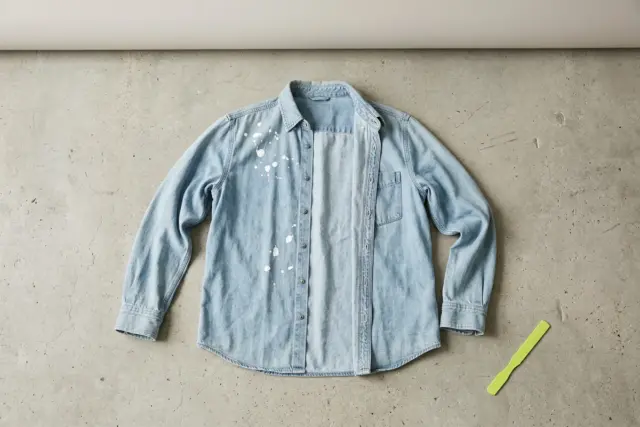
- A button-down shirt (cotton or flannel) in a main or neutral color.
- A fine-gauge knit, like a merino wool crewneck or turtleneck, for layering.
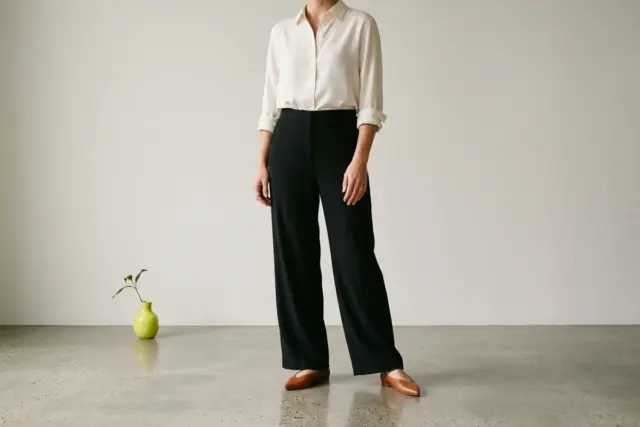
- A blouse or shirt in a fabric with a different texture, like rayon or silk.
- A heavier, warmer sweater, such as a cable-knit or chunky wool-blend piece.
4 Bottoms
Select bottoms in your neutral colors to maximize their versatility. Consider different silhouettes and fabrics to cover various levels of formality.
- One pair of dark-wash or black jeans.
- One pair of tailored trousers in wool, cotton, or a blend.
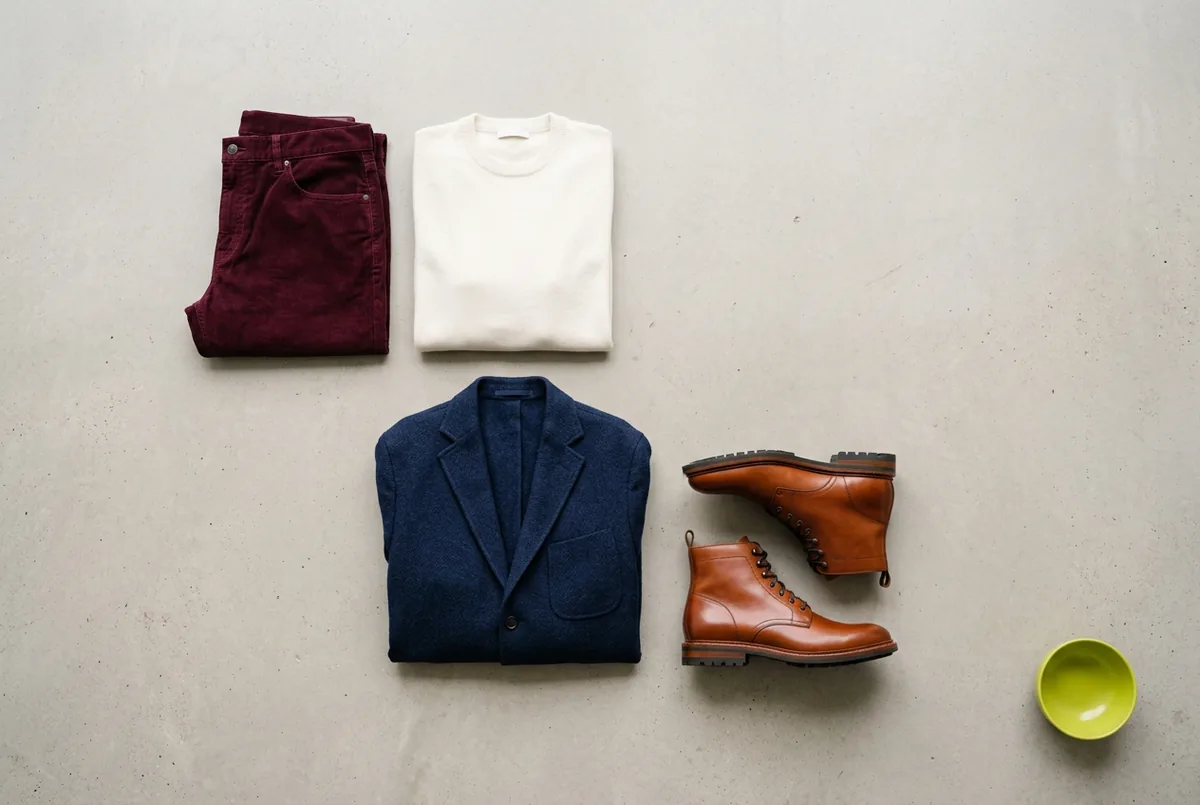
- One pair of casual pants, like chinos or corduroy pants, for texture.
- A skirt in a versatile cut, or another pair of pants in a different shape or color.
3 Layers
Layers are essential for fall’s fluctuating temperatures. They also complete an outfit, adding structure or softness.
- A tailored blazer or sport coat in a neutral like navy, grey, or black.
- A cardigan, from a slim-fitting fine knit to a cozier, oversized style.
- A light jacket, such as a trench coat, field jacket, or quilted jacket. For more on this, see our guide to men’s light jackets.
2 Pairs of shoes
Shoes have a major impact on an outfit’s formality. Choose two versatile pairs that are comfortable for your daily activities.
- An everyday pair, like leather ankle boots or clean, simple sneakers.
- A slightly dressier pair, such as loafers, block heels, or derby shoes.
1 Bag
A single, well-chosen bag in a neutral color can serve for most daily needs. A leather or canvas tote or a structured crossbody bag are practical options.
How many outfits can you create?
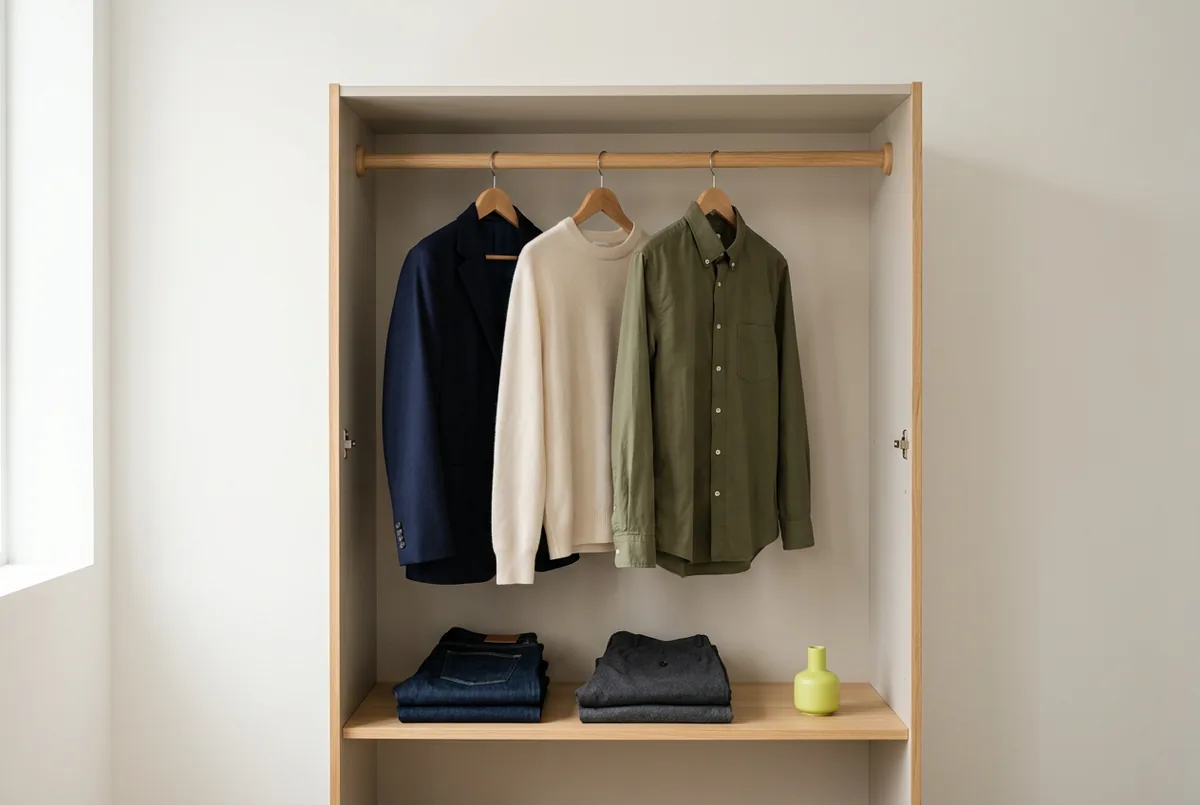
The mathematical power of a capsule wardrobe comes from the interchangeability of its pieces. Using the 5-4-3-2-1 formula (with 5 tops, 4 bottoms, 3 layers, and 2 pairs of shoes), you can create 160 different outfits. That number does not even include variations with accessories like scarves or belts.
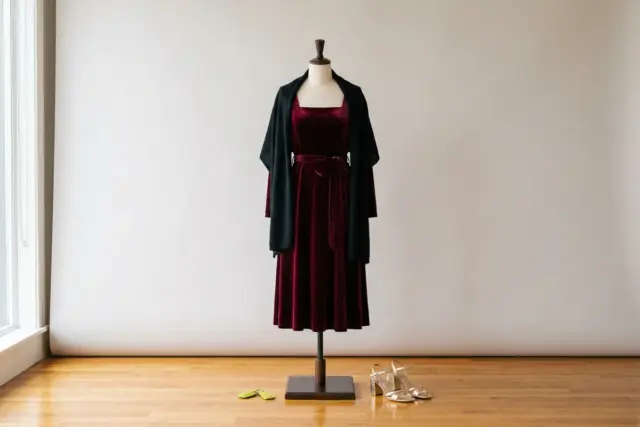
The calculation assumes every top works with every bottom. If you add one dress or jumpsuit to the mix, which functions as a complete top-and-bottom set, the number grows. The tool below can help you visualize the possibilities as you build your own capsule.
How to build the capsule from your own closet
You likely own many of the pieces for your fall capsule already. The goal is to shop your closet first and only then make a targeted list of what, if anything, you need. Follow these steps to find the capsule hiding in your wardrobe.
- Define your palette and formula. Decide on your 2-3 neutrals, 2-3 main colors, and the 5-4-3-2-1 structure (or your version of it) before you start sorting. This gives you a clear filter for your decisions.
- Pull everything out. Take all your clothes out of your closet and drawers so you can see what you have.
- Sort and assess. Group items by category (tops, bottoms, layers). For each piece, ask: Does it fit into my color palette? Does it fit my body correctly right now? Is it in good condition? Do I actually like wearing it?
- Create three piles. The first pile is for pieces that fit your capsule criteria. The second is for off-season items or clothes you love but that do not fit this capsule; store them for later. The third is for items to sell, donate, or recycle. Be honest about what you no longer wear.
- Assemble and identify gaps. Arrange the keepers by category. See how close you are to your 5-4-3-2-1 goal. The missing items become your shopping list. This way, you buy with purpose: for example, looking for “a pair of black trousers” instead of just “new pants.”
Adapting your capsule for different fall climates
“Fall” means something very different in Miami than it does in Chicago. While the core principle of a capsule remains the same, fabric choice is everything. The fiber content label, required on most garments under federal law, is your best guide.
In warmer, humid climates like the South, prioritize breathable natural fibers. Cotton, linen, and rayon (viscose) are comfortable when it is still warm. Here, layers might be unlined cotton jackets and lightweight cardigans, and your “heavy” sweater could be a simple cotton knit.
For colder regions in the Northeast, Midwest, and mountains, warmth is the priority. Focus on insulating fibers like wool. Merino wool is a great choice for base layers as it is fine and less itchy than other wools. Your layers will be heavier: thick wool cardigans, down vests, and a truly warm coat might count as one of your three essential layers. A blend with a small amount of synthetic fiber can add durability, but a high percentage of polyester or acrylic will reduce breathability.
In mild, dry climates like coastal California, the temperature can swing significantly from morning to evening. Here, layering is key, but heavy fabrics are often unnecessary. A mix of cotton, light wool knits, and a versatile trench or denim jacket will likely be sufficient.
Read next