In this guide (6)
- Why synthetic activewear pills in the washing machine
- The zero friction sorting rule for technical fabrics
- Step by step wash routine for delicate athletic tights
- Why heat ruins elastane stretch and moisture wicking
- A quick pre wash checklist before closing the machine door
- What to do when tights have built in hardware or bonded seams
Washing Lululemon leggings inside out on a cold cycle with other smooth synthetic athletic garments, skipping fabric softener, and air drying them prevents surface abrasion and stops the elastic fibers from stretching out. According to Lululemon’s website, as of October 2026, washing technical fabrics with like synthetics and keeping them away from cotton, denim, and hardware keeps the exterior from pilling and preserves the garment shape. High heat in the wash or dryer weakens elastane over time, while coarse textiles pull delicate microfibers out of the knit structure.
Why synthetic activewear pills in the washing machine
Pilling happens when loose fiber ends rub against other surfaces, tangle together, and form tiny fuzzy balls on the surface of the fabric. Technical knitwear uses fine synthetic filaments, such as nylon and polyester, blended with elastane to create a smooth, body-hugging stretch. When these delicate filaments rub against rough surfaces during machine agitation, the broken microfibers knot up. Fabrics with a brushed finish, such as Nulu, feature exposed surface fibers that feel soft against the skin, but this exact structure makes them far more vulnerable to abrasive friction than slick, high-compression knits.
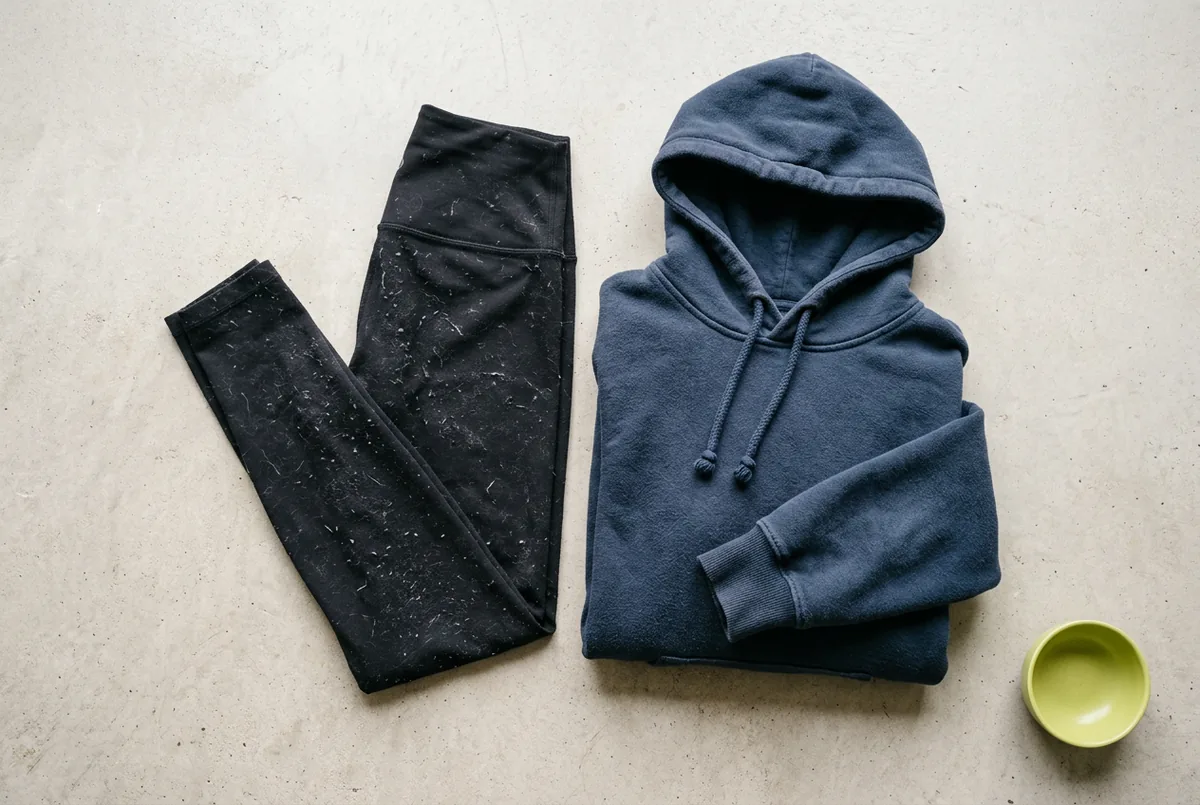
The friction does not just come from the washing machine drum itself. It comes from the other items spinning in the same load. Heavy fabrics like denim act like sandpaper against soft leggings. Stiff cotton towels and fleece sweatshirts shed coarse fibers that wrap around the synthetic filaments, accelerating pilling and leaving white lint embedded into dark leggings that is nearly impossible to pull out.
The zero friction sorting rule for technical fabrics
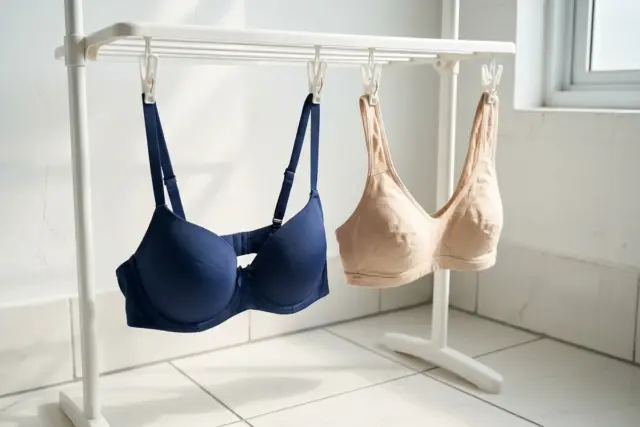
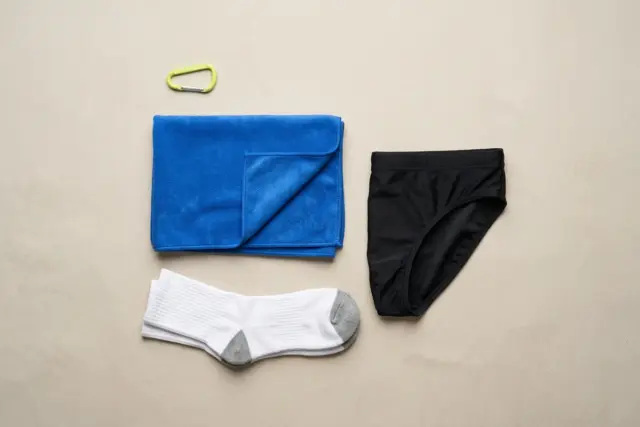
Sorting activewear by fabric type matters far more than sorting solely by color. Washing a black cotton sweatshirt with black technical tights guarantees surface fuzz and premature wear. Technical garments should only ever share a drum with other synthetic activewear, such as polyester running tops, nylon shorts, and synthetic sports bras. Heavy canvas, terrycloth towels, jeans, and casual cotton tees belong in an entirely separate load.
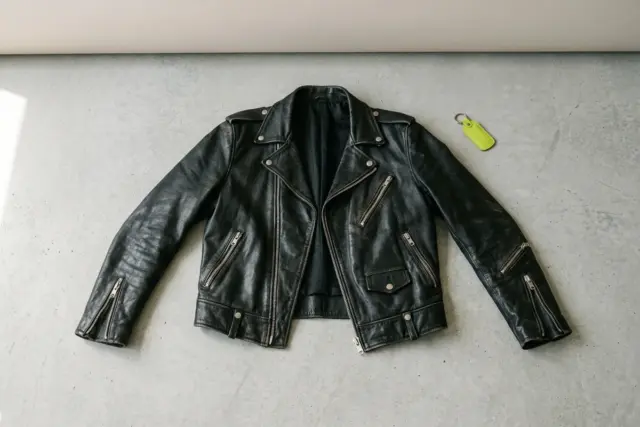
Hardware creates another major hazard. Metal zippers, open pocket snaps, and hook-and-loop fasteners shred synthetic knits during high-speed spin cycles. If an athletic jacket with a front zipper shares the cycle with your leggings, pull the zipper all the way up to the collar or wash it in a separate mesh laundry bag. Turning every pair of leggings inside out before dropping them into the machine keeps the exterior face of the garment protected from any unavoidable drum contact.
Do
- Turn leggings inside out before washing
- Wash exclusively with other smooth synthetic athletic pieces
- Fasten all zippers and hook-and-loop closures on athletic layers before washing
- Air dry flat or on a drying rack out of direct heat
Avoid
- Washing technical tights with heavy cotton towels or fleece
- Throwing leggings into loads with open zippers or denim
- Using fabric softeners that coat moisture wicking synthetic yarns
- Using high heat cycles in the washer or dryer
Step by step wash routine for delicate athletic tights
Setting up the washing machine correctly requires only a few intentional steps before pressing start. Follow this exact sequence to keep technical fabrics clean without wearing down the weave:
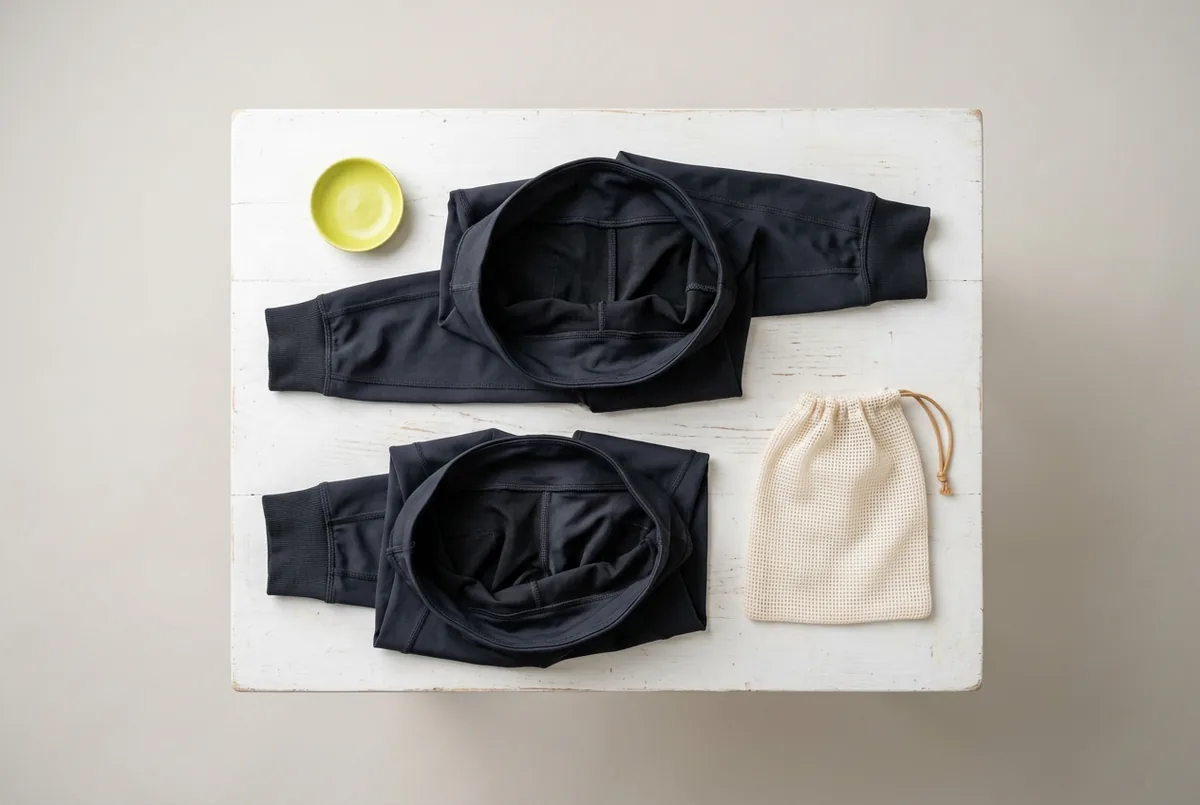
- Empty the pockets and turn the leggings inside out. Check waistbands and side pockets for keys, cards, or tissues. Inverting the pants ensures that whatever friction occurs during agitation happens against the interior face rather than the outer visible surface.
- Place delicate or mesh-paneled pairs into a mesh wash bag. If your leggings have delicate mesh cutouts, phone pocket zippers, or raw hem finishes, zip them into an individual wash pouch to eliminate direct contact with other items.
- Load only with similar synthetic activewear. Fill the drum loosely with nylon, polyester, and spandex athletic wear of similar shades. Never pack the drum to maximum capacity, as overcrowded clothes rub harder against one another.
- Measure a moderate amount of standard liquid detergent. Use a normal liquid laundry detergent designed for regular washing machines. Avoid pouring detergent directly onto dry leggings; let the water fill first or use the dispenser drawer. Skip laundry pods with built-in conditioning agents.
- Select a gentle wash cycle with cold water. Set the water temperature to cold and pick the delicate or gentle cycle. Slower spin speeds and shorter cycle times reduce the mechanical stress placed on the elastic yarns.
Why heat ruins elastane stretch and moisture wicking
Activewear relies heavily on elastane, also known as spandex, to provide snap, compression, and shape retention. Synthetic fibers like nylon and polyester provide durability and dry quickly, while elastane lets the garment stretch with body movement and pull back into place. However, heat breaks elastane down. Repeated exposure to hot wash water or the high temperatures of a standard dryer causes elastane threads to snap internally. Once these microscopic elastic bands break, the fabric bags at the knees, sags at the waistband, and loses its compressive grip permanently.
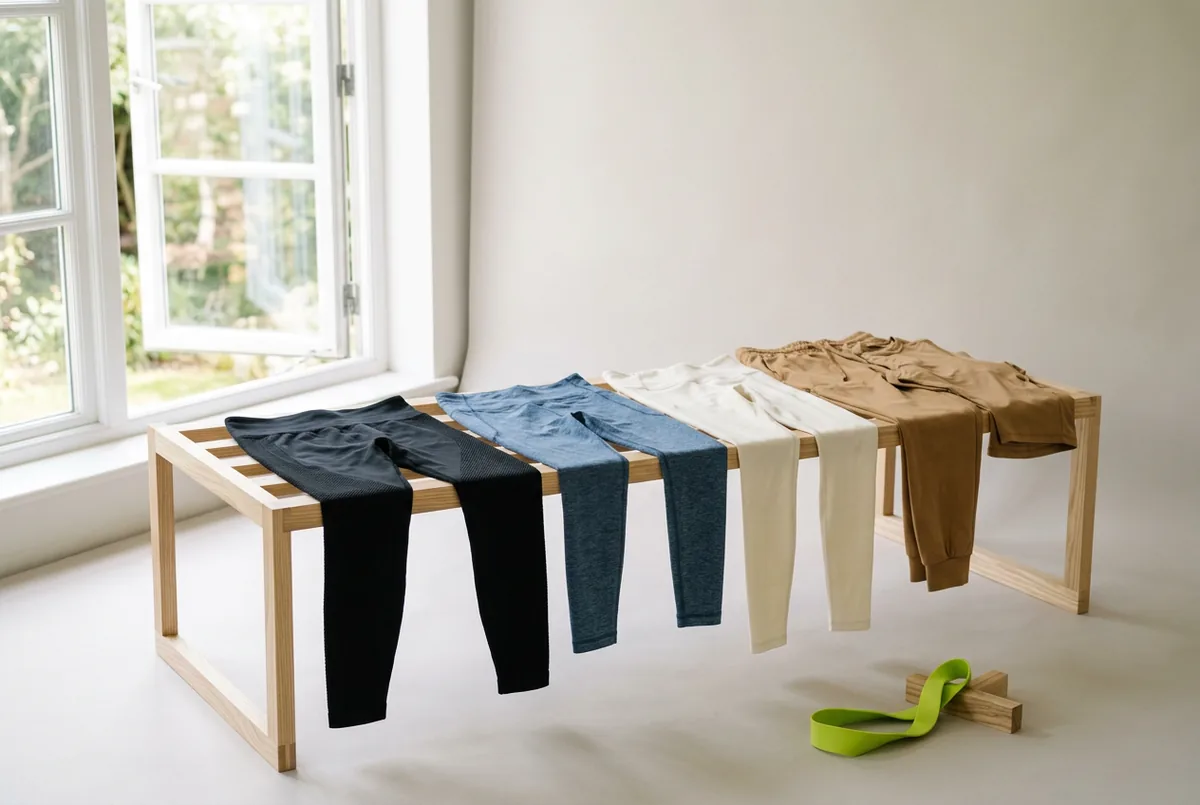
According to Lululemon’s website, as of October 2026, air drying garments flat or hanging them to dry protects the lifespan of the elastane fiber and preserves garment shape. If a dryer must be used due to time or space constraints, keep the setting on tumble dry low. Laying tights across a clean drying rack or over the horizontal bar of a wooden clothes horse away from direct sunlight takes only a few hours because synthetic fibers absorb very little water naturally.
Liquid fabric softener is equally destructive to athletic apparel. Softeners work by depositing a thin, waxy coating of silicone and fatty compounds over textile fibers to make rough cotton feel plush. On technical polyester and nylon, this silicone film clogs the tiny gaps between threads that pull sweat away from the body. Instead of evaporating, moisture and trapped body oils remain sealed inside the fabric weave, creating a persistent odor that reactivation during a sweaty workout makes instantly noticeable. Learning when to skip fabric softener in your laundry routine keeps your performance gear wicking properly for years.
A quick pre wash checklist before closing the machine door
Before closing the washing machine door, verify the condition of the load. Catching one stray cotton sock or an unzipped jacket pocket takes five seconds and prevents permanent surface damage across an entire batch of technical apparel.
| Care | Polyester |
|---|---|
| Washing | Machine wash, cold or warm |
| Drying | Line dry, or tumble dry on low |
| Ironing | Low heat |
| Watch out | Holds on to odors; skip fabric softener on activewear |
Synthetic activewear shares the baseline care principles of polyester and blended technical knits. Cold water protects the integrity of synthetic dyes, while low agitation preserves the smooth hand feel of the exterior surface. While pure polyester tolerates low tumble drying, pairs packed with high percentages of elastane always fare better when air dried.
What to do when tights have built in hardware or bonded seams
Not every pair of leggings features a simple pull-on waistband and uninterrupted seams. Outer pockets with metal zip pulls, bonded tape hemlines, and reflective heat-transfer decals require specific handling to avoid peeling or mechanical snags.
Heat-transfer logos and bonded seams suffer rapidly when exposed to hot water or direct dryer heat. Hot water softens the adhesives holding bonded hems together, causing edges to curl or lift after just a few wash cycles. Cold water prevents this glue breakdown. For pairs with metal ankle zips or back card pockets, always zip the pocket shut and slide the garment into a fine-mesh laundry pouch. The mesh barrier allows water and detergent to flow freely through the fibers while preventing the metal slider from repeatedly striking against neighboring leggings during agitation.
When tights come out of the spin cycle, gently shake them out by the ankles and smooth the waistband with your hands before laying them flat. This simple step prevents deep creases from drying into the synthetic fabric, eliminating any need for an iron, which would otherwise melt synthetic activewear on contact.
Read next