In this guide (6)
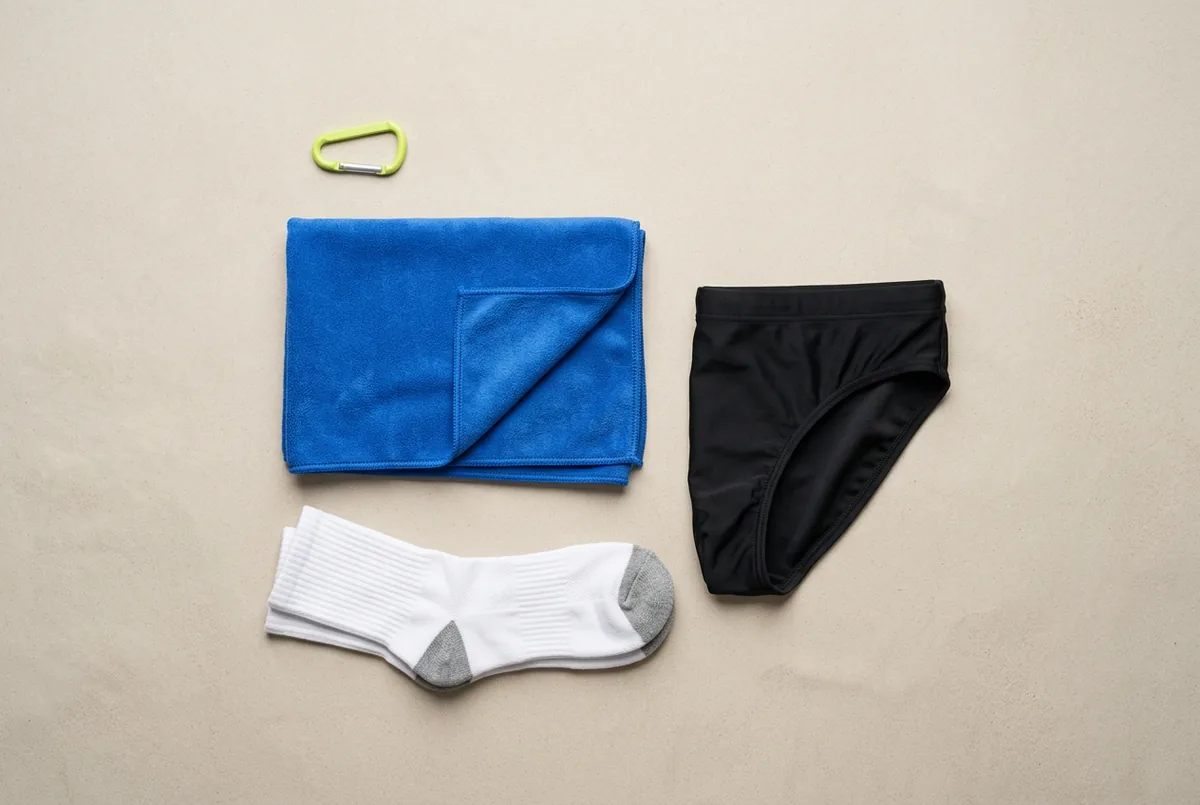
Fabric softener should not be used on performance activewear, towels, water-repellent outerwear, or any garment containing spandex or elastane. The waxy, conditioning agents in fabric softeners coat fibers, which can trap odors in synthetics, reduce the absorbency of towels, and degrade the elastic properties that give stretch garments their shape and recovery. For some items, like flame-resistant clothing, using it can interfere with safety features.
Why fabric softener ruins activewear
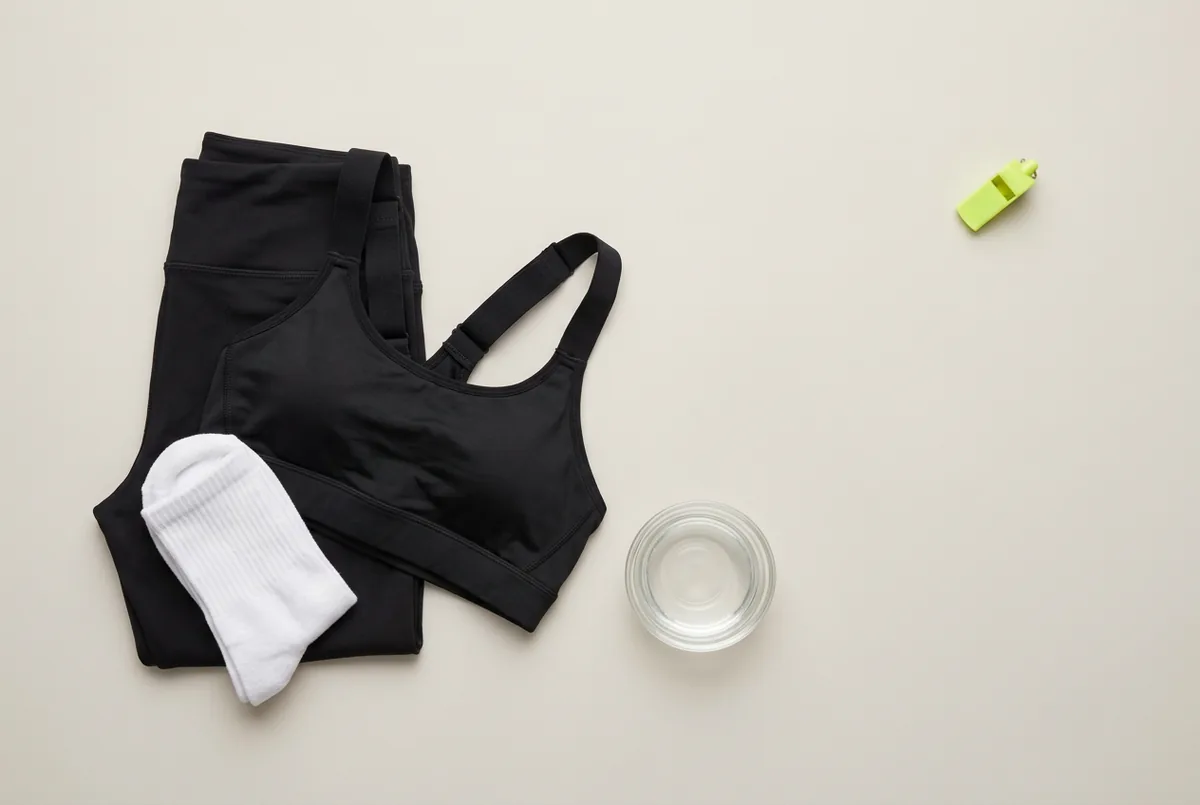
Performance fabrics, typically made of synthetics like polyester and nylon, are designed to be breathable and wick moisture away from your skin. When you use fabric softener, it leaves a coating on these fibers that clogs the fabric’s weave. This process traps odor-causing bacteria and prevents the garment from effectively pulling sweat away from your body, which is its main purpose.
Over time, this buildup can make your gym clothes feel slick or greasy and hold on to a persistent smell, even right after washing. To keep activewear in good condition, wash it correctly.
- Wash after each wear: This prevents sweat and bacteria from setting into the fabric.
- Turn it inside out: Most of the sweat and oils accumulate on the inside of the garment. Washing it inside out allows the water and detergent better access to the soiled areas.
- Use cold water and the right amount of detergent: Hot water can damage synthetic fibers and elastic. Using too much detergent can lead to its own residue buildup.
- Skip the fabric softener: Instead, add a half-cup of white vinegar to the rinse cycle. Vinegar is a mild acid that helps break down detergent residue and mineral deposits, releasing trapped odors and leaving clothes soft without coating the fibers.
- Air dry: High heat from a tumble dryer can break down synthetic fibers and spandex, ruining the garment’s fit and performance features. Hang activewear to dry, away from direct sunlight.
Keep towels absorbent and effective
The purpose of a towel is to absorb water. The same is true for microfiber cleaning cloths, which rely on their fine, porous fibers to trap dust and liquid. Fabric softener deposits a waterproof, waxy coating onto the cotton loops (known as the pile) of a towel or the delicate strands of microfiber. While this might make the fabric feel soft and slippery to the touch in the short term, it dramatically reduces its absorbency. A towel that repels water is not a useful towel, and a cloth that cannot clean is worthless.
If your towels already feel stiff or have lost their absorbency due to softener or detergent buildup, you can strip them. Wash the towels in a hot water cycle with one cup of white vinegar and no detergent. Follow this with a second hot wash with a half-cup of baking soda and no detergent. This two-step process helps to dissolve the waxy residue and restore the cotton fibers’ natural absorbency. To keep towels soft and functional going forward, use wool dryer balls in the dryer instead of liquid softener in the wash.
Protect the function of special garments
Certain clothes are treated with special finishes for performance or safety, and fabric softener can compromise them. This applies to two main categories: water-repellent outerwear and flame-resistant clothing.
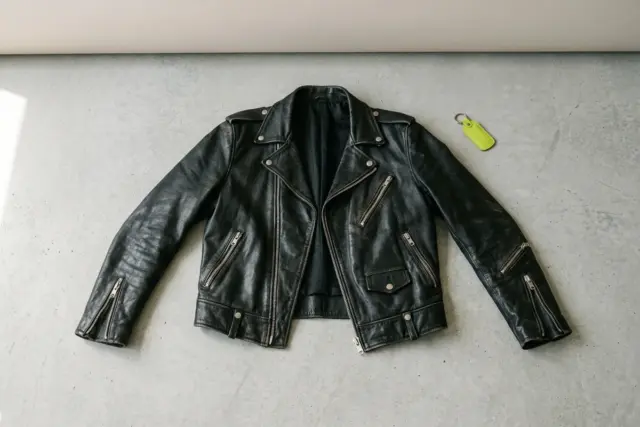
Water-repellent fabrics: Rain jackets, ski pants, and other technical outerwear are treated with a durable water repellent (DWR) finish. Fabric softener’s coating can mask this finish, causing the fabric to become saturated with water instead of repelling it. Always follow the care label, which will often specify washing with a technical cleaner designed for outdoor gear and never using softener.
Flame-resistant clothing: This is especially critical for children’s sleepwear. Under US law, these garments must be either flame-resistant or snug-fitting to reduce fire risk. For the flame-resistant type, the chemicals in fabric softener can build up on the fabric’s surface and reduce its ability to self-extinguish, negating the safety feature. The care labels on these garments will typically warn against using fabric softener.
Preserve the stretch in your clothes
Many modern garments, from jeans to t-shirts to socks, contain a small percentage of spandex (also known by its ISO name, elastane) to provide stretch, comfort, and shape retention. Fabric softener breaks down these elastic fibers. With repeated exposure, the spandex will degrade, and the garment will lose its ability to snap back into shape. This is why your stretch jeans might become baggy at the knees or why the waistband of your leggings gets loose.
Bras are particularly vulnerable. The heat of a dryer and the chemicals in fabric softener are the fastest ways to ruin the elastic bands and straps, which provide most of the bra’s support. For any garment where stretch and recovery are important, it is best to skip the softener and let it air dry. For specific advice on bra care, see our guide on how often you should wash your bra.
What to use instead of fabric softener
Fabric softeners promise softness and fresh scents, but better alternatives can achieve similar results without the damaging residue. These methods work by treating the water, removing buildup, or physically softening clothes in the dryer.
White vinegar in the rinse cycle
A half-cup of distilled white vinegar added to your washing machine’s fabric softener dispenser is an effective replacement. Vinegar is a mild acid that works by dissolving the mineral and detergent residues that make fabrics feel stiff. It also neutralizes odor-causing bacteria without leaving a coating on the fibers. This makes it ideal for gym clothes and towels. The vinegar smell rinses out completely in the wash, leaving your laundry smelling neutral and clean.
Wool dryer balls in the dryer
Instead of liquid softeners or dryer sheets, which also work by coating fibers, try using wool dryer balls. These balls tumble with your clothes, physically separating them and allowing air to circulate more freely. This action softens the fabric naturally, reduces static cling, and can even shorten drying time. For a light scent, you can add a few drops of essential oil to the balls before a cycle, letting them dry first.
Baking soda in the wash
Adding a half-cup of baking soda directly to the wash drum along with your clothes can also help soften them. Baking soda helps regulate the pH level of the wash water, which allows the detergent to work more effectively. It is a natural deodorizer and helps to loosen fibers and remove residue, resulting in softer clothes.
Do
- Use a half-cup of white vinegar in the rinse cycle
- Add wool dryer balls to the dryer to reduce static
- Air dry clothes with spandex or elastic
- Wash activewear in cold water, inside out
Avoid
- Fabric softener on towels or microfiber cloths
- Fabric softener on activewear or swimwear
- Fabric softener on water-repellent jackets
- Hot water or high-heat drying for stretch fabrics
The care required for different materials varies. For example, polyester holds on to odors and should not be washed with fabric softener, while denim with stretch can be damaged by it. Below is a general guide, but always defer to the instructions on your garment’s care label.
| Care | Polyester | Denim | Rayon (viscose) |
|---|---|---|---|
| Washing | Machine wash, cold or warm | Inside out, cold water, as rarely as you can | Hand wash or gentle cycle, cold water |
| Drying | Line dry, or tumble dry on low | Line dry, out of direct sun | On a hanger; do not wring |
| Ironing | Low heat | Medium to high heat, inside out | Low to medium heat, inside out |
| Watch out | Holds on to odors; skip fabric softener on activewear | Dark washes bleed dye at first; wash them separately | Shrinks and loses shape with heat and twisting |
When is it safe to use fabric softener?
Fabric softener can be used on 100% cotton clothing, like t-shirts and bedsheets, to reduce wrinkles and add a soft feel. It helps the fibers feel smoother and can make ironing easier. However, even with these fabrics, using it in every wash can lead to buildup. A good approach is to use it sparingly or alternate with a vinegar rinse to keep fabrics both soft and breathable. Ultimately, for most laundry, a quality detergent and proper drying methods are all that is needed to keep clothes in great condition.
Read next