In this guide (6)
An appropriate outfit for a funeral is conservative, modest, and in a dark, muted color. Black is the traditional and safest choice, but navy blue, charcoal gray, and dark brown are also acceptable. The goal is to dress in a way that shows respect for the deceased and their family, blending in quietly rather than drawing attention. Your clothing should be the last thing anyone remembers.
The principles: formality and color
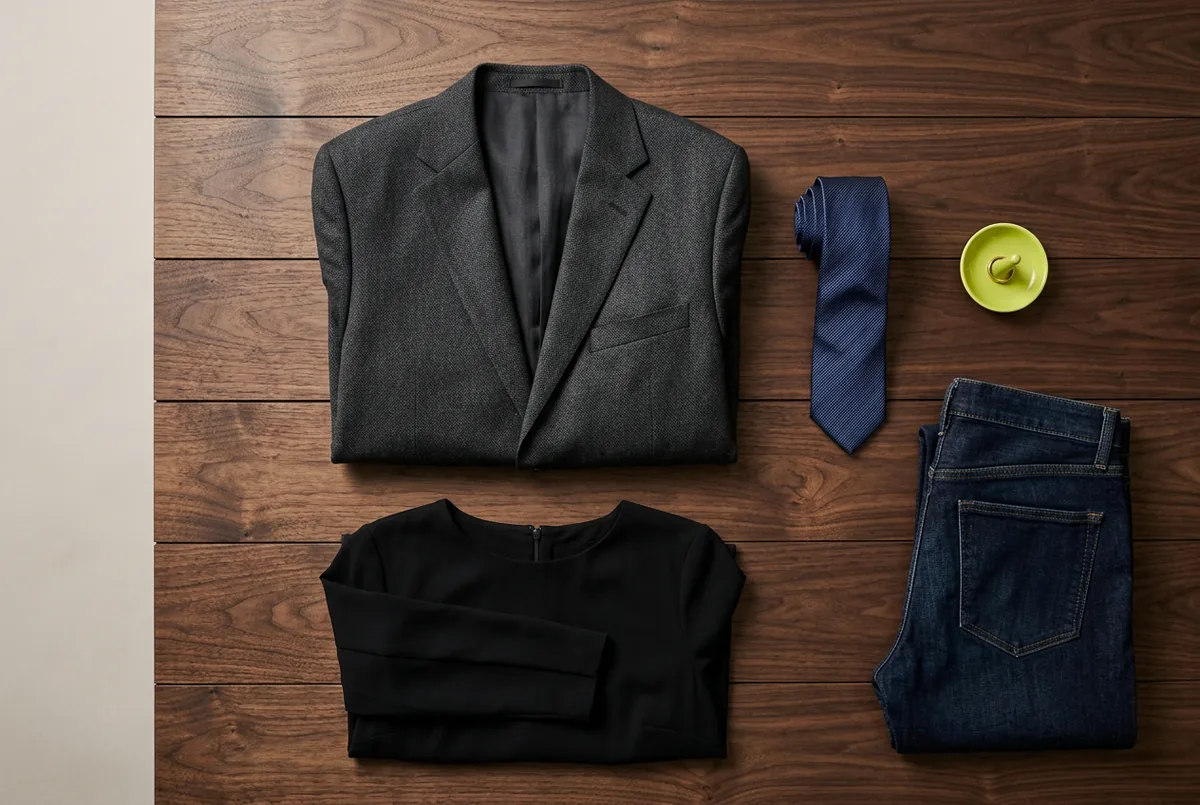
Dressing for a funeral is guided by two main principles: maintaining a high level of formality and adhering to a somber color palette. Think of your clothing as a non-verbal way of expressing sympathy and solemnity. The standard is equivalent to business formal or the most conservative end of business casual. For men, this means a suit or a blazer and trousers; for women, a dress, skirt suit, or pantsuit.
The reason for this formality is to honor the gravity of the occasion. Overly casual clothing, such as jeans, t-shirts, or sneakers, can suggest a lack of respect. It is always better to be slightly overdressed than underdressed. Unless the family has made a specific request for more casual attire for a celebration of life, formality is the default.
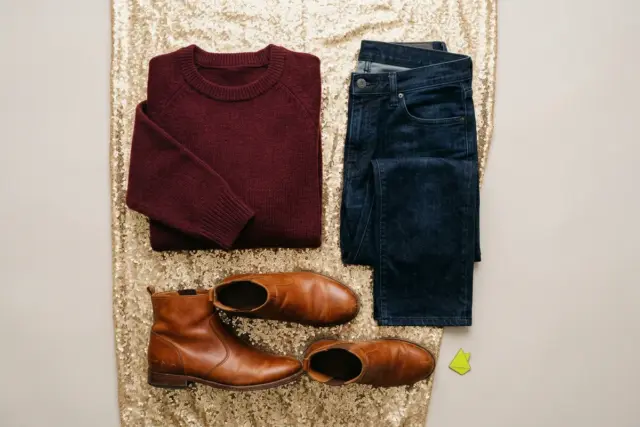
Black is the conventional color for mourning in Western cultures because it is somber, dignified, and unobtrusive. However, you are not limited to black. A dark navy or charcoal gray suit is just as appropriate. Other dark, solid colors like deep burgundy, forest green, or dark brown also work, as long as they are not bright. Avoid anything that stands out: bold patterns, vibrant colors, and flashy fabrics. The idea is to present a united, respectful front with other mourners.
Outfits for women
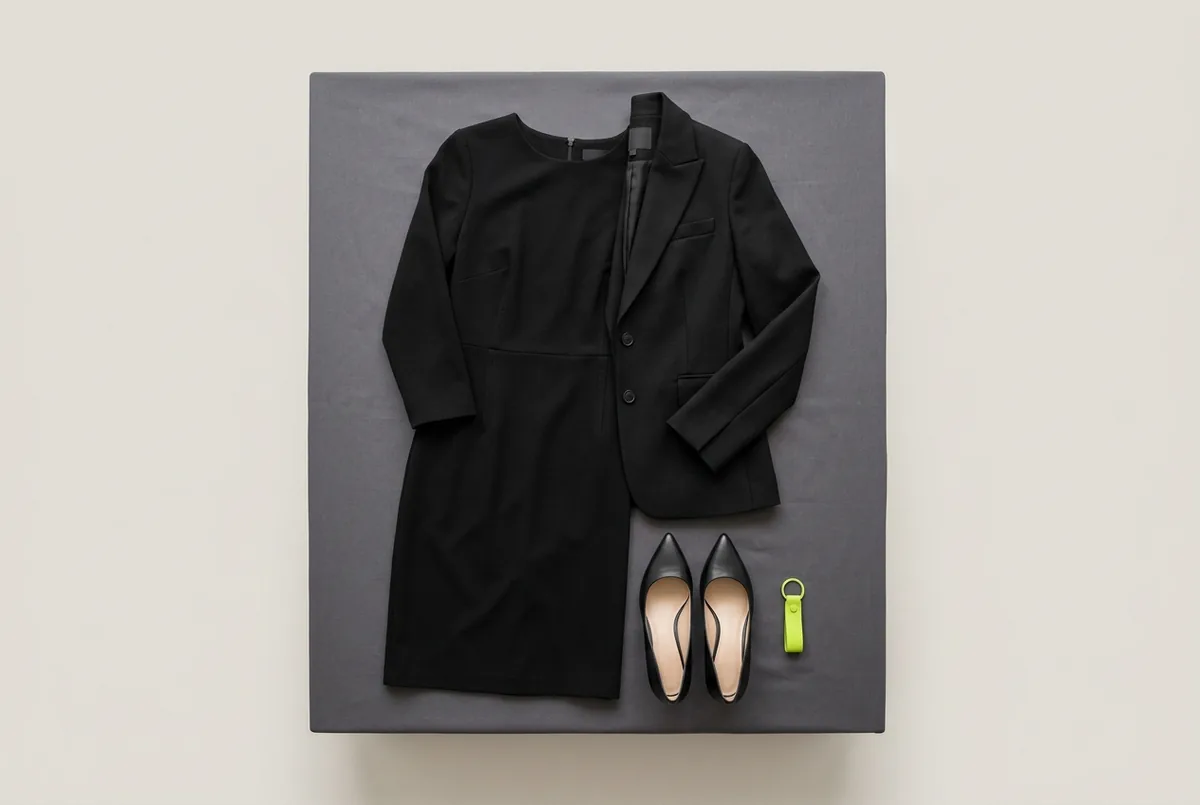
For women, the key is modesty. A simple, well-fitting dress is a reliable choice. Look for a sheath, A-line, or wrap dress in a solid, dark color. The neckline should be high (like a crewneck or boatneck) and the hem should fall at or below the knee. Ensure the dress has sleeves; if it is sleeveless, you must wear a blazer, cardigan, or shawl over it, especially for a service in a place of worship. A tailored suit, with either a skirt or trousers, is another excellent and respectful option.
If you do not own a suitable dress or suit, dressy separates are a perfectly appropriate alternative. Combine a simple, opaque blouse in a dark color with a tailored skirt or wide-leg trousers. The blouse should have a modest neckline and cover the shoulders. Tuck it in for a polished look. A high-waisted pencil skirt or tailored trousers in black, charcoal, or navy wool or crepe create a formal silhouette.
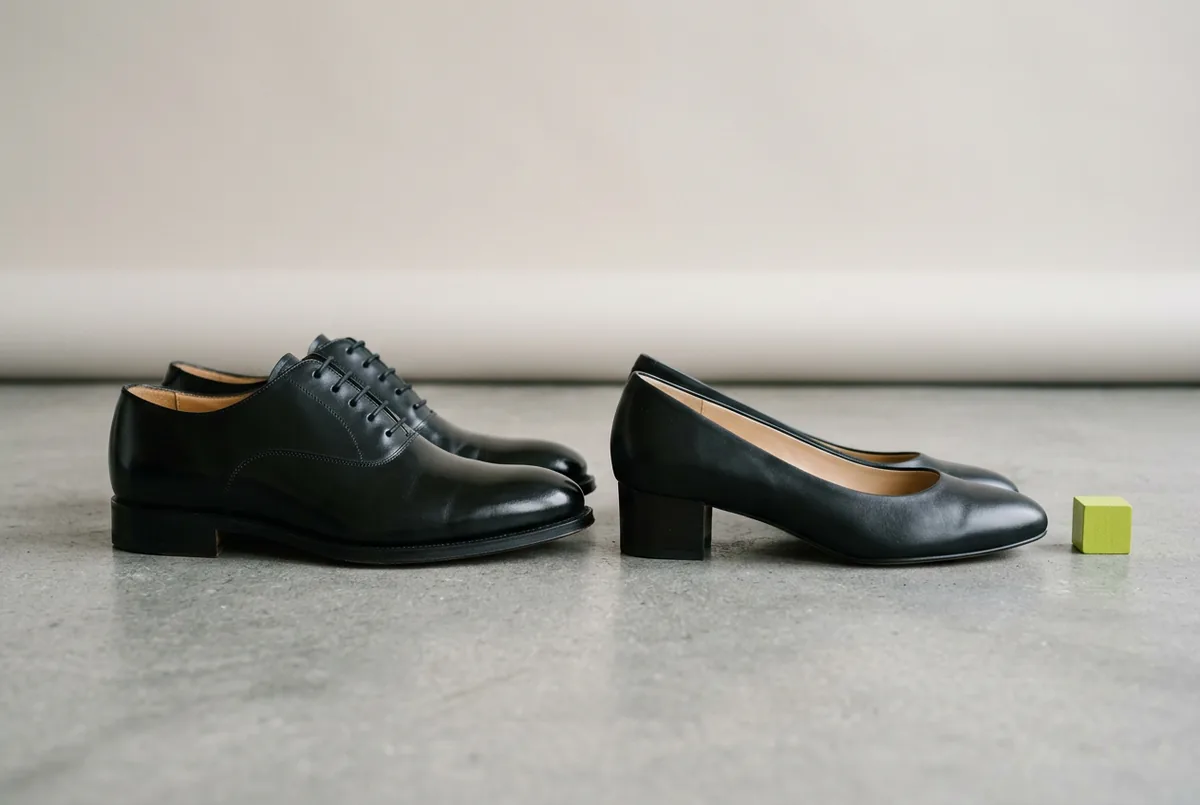
Pay attention to fabric and fit. Choose materials with some structure, like wool, a heavy crepe, or a cotton blend, rather than clingy jersey or casual knits. Your shoes should be closed-toe, in a dark color, and have a low heel or be flat. You will likely be standing for a long time, so comfort is important. Keep accessories to a minimum: a simple string of pearls, small stud earrings, or a watch is enough. Avoid anything large, shiny, or noisy.
Outfits for men
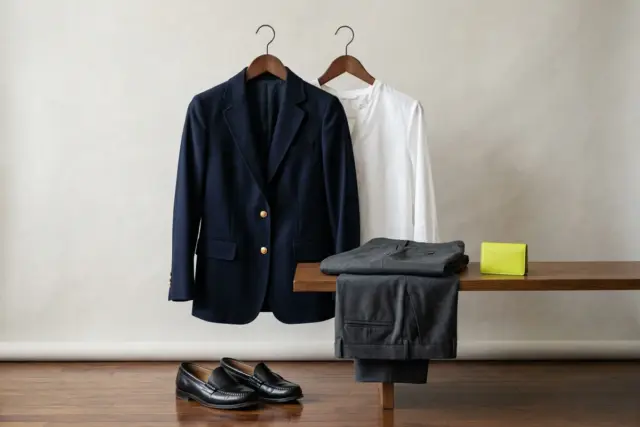
For men, a suit is the standard and most appropriate choice. A dark suit in charcoal gray or navy is often more versatile than black and achieves the same level of formality and respect. If you do not own a suit, wear dark dress trousers (like charcoal wool or navy chinos) with a conservative sport coat or blazer. Underneath, wear a crisp, collared dress shirt, typically in white or light blue. Ensure it fits correctly, especially at the collar and cuffs; a well-fitting dress shirt provides a clean foundation for the rest of the outfit. Your tie should be solid and dark, or have a very subtle, conservative pattern like a pin-dot or a simple stripe. Avoid novelty ties or bright colors.
In colder weather, a fine-gauge crewneck or V-neck sweater in charcoal, navy, or black can be worn over the dress shirt. You can wear it with a blazer or, for a less formal service, on its own with trousers and a tie. The details complete the look. Your shoes must be dark leather dress shoes, such as oxfords or derbies, polished and in good condition. Match your belt to your shoes. Socks should be dark and long enough to cover your legs when you sit down. A well-fitting outfit shows care and respect. If your suit has been in the closet for a while, check that it still fits well across the shoulders and can be buttoned without pulling. You can find more details on how a suit should fit in our guide to suit alterations.
What to avoid
Sometimes, knowing what not to wear is as helpful as knowing what to wear. The fundamental rule is to avoid anything that is casual, celebratory, or distracting. This includes clothing that is too revealing, too bright, or too informal for a solemn event. Your presence is a show of support, and your attire should reflect that.
Do
- Dark, muted colors like black, navy, or charcoal
- Conservative cuts that cover shoulders and knees
- Closed-toe shoes with a low or no heel
- Simple, minimal jewelry and accessories
Avoid
- Bright colors, neons, or pastels
- Loud, busy prints or large logos
- Jeans, shorts, sneakers, or sandals
- Revealing necklines, short hems, or athletic wear
Beyond clothing, also be mindful of fragrance. Avoid wearing strong perfume or cologne, as some attendees may have allergies or sensitivities, and it can be distracting in close quarters. The guiding principle is discretion in all things.
Outerwear and accessories
Your outerwear should match the formality of your outfit. A tailored wool overcoat in black, charcoal, or navy is the best choice for cold weather. A simple, dark trench coat works well in milder or rainy conditions. Avoid casual coats like parkas, puffers, or denim jackets.
Choose a bag that is structured and simple. A small leather handbag or a discreet clutch in a dark, solid color is appropriate. Avoid large, casual tote bags or anything with prominent logos or hardware. For a service in the rain, a plain black or dark-colored umbrella is best. Keep jewelry minimal and understated: small stud earrings, a simple watch, or a single strand of pearls are classic choices. Avoid anything that sparkles, dangles, or makes noise.
When the rules might change
While the conservative standard is a safe and respectful default, there are situations where the dress code is different. Some families explicitly request that guests wear a certain color (perhaps the deceased’s favorite) or opt for more cheerful clothing to honor their memory in a “celebration of life.” These instructions are usually included in the obituary or invitation. If such a request is made, you should follow it.
Climate also plays a role. Attending a funeral in the humid South during the summer requires different fabrics than a service in the Northeast in winter. In hot weather, opt for lightweight, breathable natural fibers like linen, cotton, or tropical-weight wool in the appropriate dark colors. A woman might wear a modest short-sleeved dress, and a man might opt for a linen-blend suit or skip the jacket in favor of trousers and a tie, if the setting allows. The principles of modesty and dark colors remain, even as the fabrics change.
Finally, traditions vary across cultures and religions. For example, in some Eastern cultures, white is the traditional color of mourning. If you are attending a service for someone from a different background, it is a thoughtful gesture to discreetly ask a family friend or research the specific customs regarding attire. The effort to understand and respect their traditions is in itself a powerful gesture of support.
Read next