The rule for a job interview outfit is to dress one level more formally than the company’s everyday dress code. This shows respect for the occasion and an understanding of professional norms. If you cannot determine the office environment, a well-fitting business casual outfit is the most reliable choice. Your goal is an outfit that makes you feel confident and allows the interviewer to focus on you and your qualifications, not on a distracting clothing choice. It should be comfortable enough to wear without fidgeting and professional enough to show you take the opportunity seriously.
How to determine the company’s dress code
Before you can dress one step up, you need a baseline. Start by researching the company’s culture. Look for photos on the company’s own website, particularly on pages like “About Us,” “Team,” or “Careers.” See what employees are wearing in their headshots or in group photos. Their LinkedIn profiles can also offer clues. Pay attention to the level of formality: are they in suits, blazers and blouses, or branded hoodies?
If your research leaves you uncertain, it is perfectly acceptable to ask. When the recruiter or HR contact schedules the interview, you can ask, “What is the general dress code in the office?” This shows you are thoughtful and want to make a good impression.
Use these visual cues to place the company on a spectrum from formal to casual, then select your outfit based on the next level up.
The corporate interview: business formal
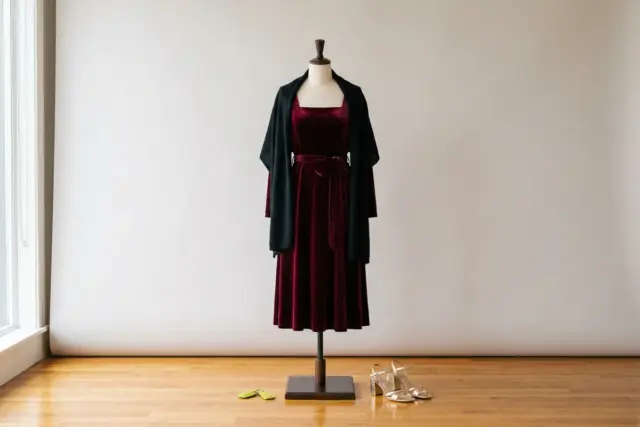
For interviews at law firms, financial institutions, or in senior executive roles, the standard is business formal. This means a suit.
The goal is to project professionalism and authority. A well-fitted suit in a conservative, neutral color like navy, charcoal gray, or black is the cornerstone. The fabric should be a seasonless wool or wool-blend that holds its shape. A suit is traditionally paired with a crisp, ironed white or light blue dress shirt and polished leather dress shoes. If you wear a tie, choose a conservative one in silk with a simple pattern or solid color. Suit options include pantsuits and skirt suits, which can be worn with a simple shell, blouse, or fine-gauge knit top. If you opt for a skirt suit, the hem should land around the knee. All shoes should be closed-toe; low heels, flats, or loafers are all appropriate choices.
The fit is the most important element. A suit that is too large or too small looks borrowed and unprofessional. The jacket shoulders should end at your natural shoulder bone, and the sleeves should allow a little of the shirt cuff to show. For a detailed guide on how a suit should fit and what a tailor can easily adjust, see our article on suit alterations. The investment in tailoring pays off in the confidence a proper fit provides.
The standard interview: business casual
This is the most common dress code for modern offices and the safest bet when you are unsure. Business casual is less rigid than a full suit but still structured and professional. It consists of tailored separates: trousers or a skirt, a blouse or collared shirt, and often a blazer or cardigan as a top layer.
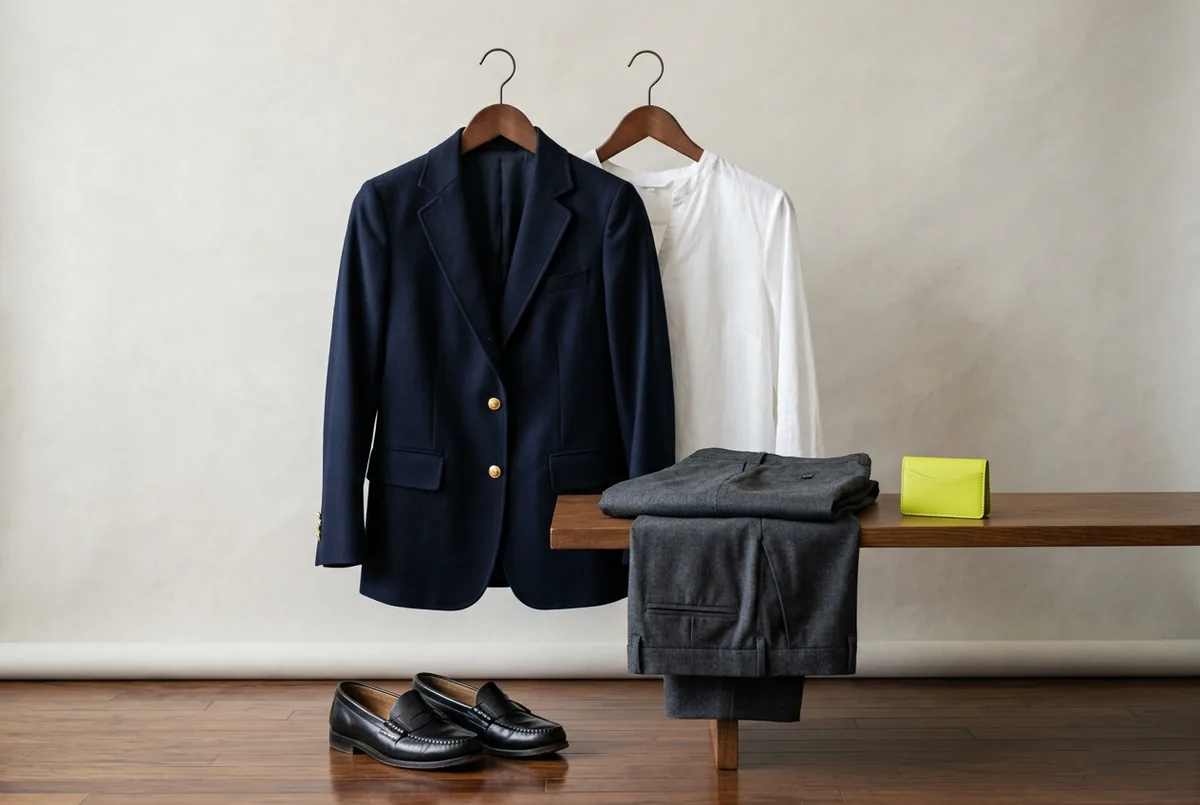
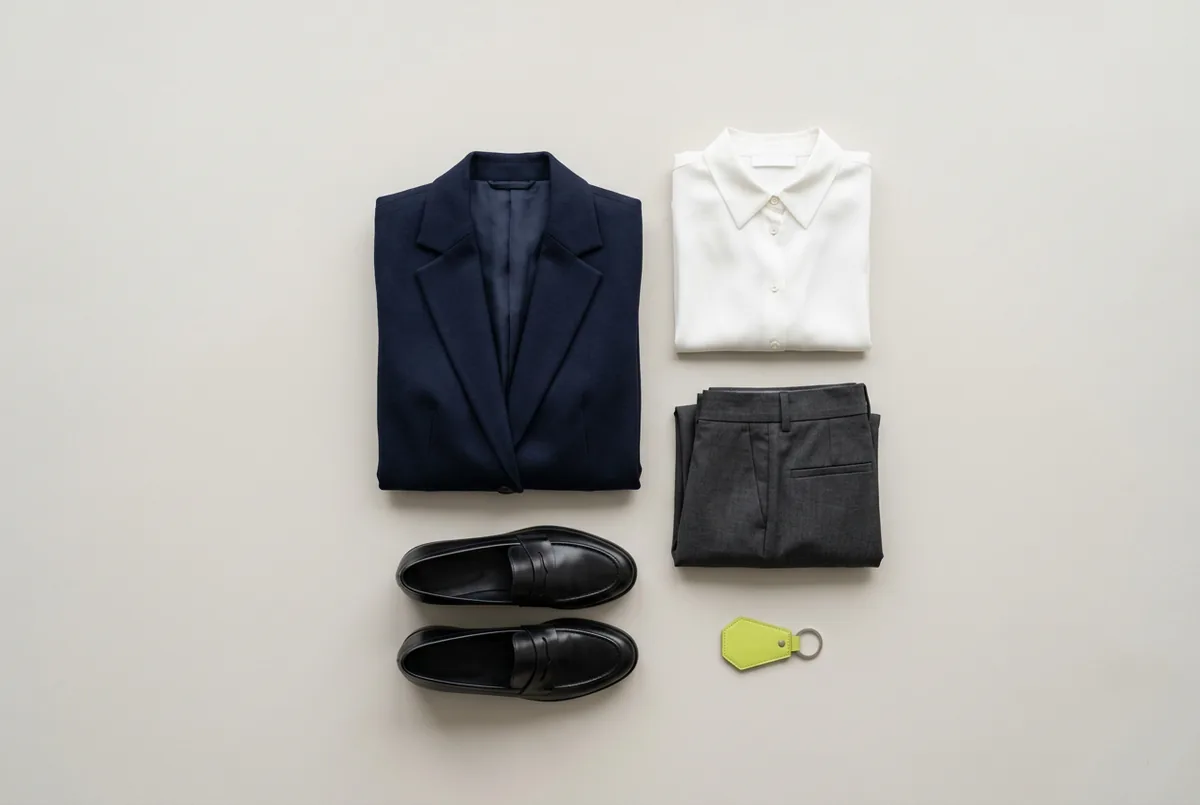
The key is to look put-together. Avoid casual fabrics like chambray or flannel unless the workplace is explicitly casual, and stick to classic professional pieces. A blazer is your most powerful tool here, as it adds structure and formality to any outfit. Pair it with trousers or chinos in a contrasting color. For example, a navy blazer works well with gray, khaki, or cream trousers. Underneath, a simple blouse, a button-down shirt, or a high-quality knit shell in a solid color or subtle pattern works best.
The formula above provides a reliable template. The dark blazer anchors the outfit in professionalism, while the light top provides a clean contrast. The charcoal trousers are a classic choice that is less severe than black. Leather loafers are comfortable and polished, bridging the gap between formal dress shoes and casual sneakers. Ensure all pieces are clean, pressed, and fit you well.
The startup or creative interview: smart casual
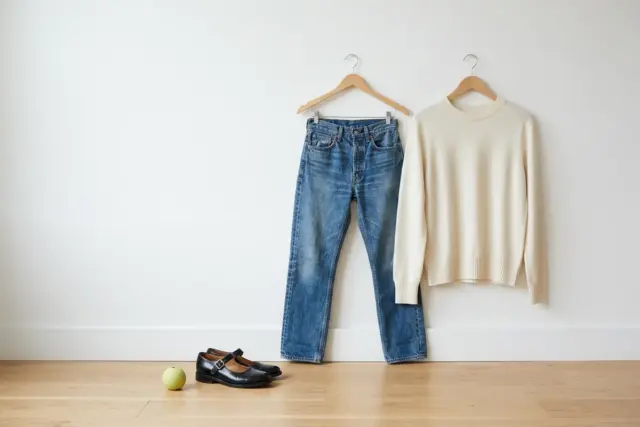
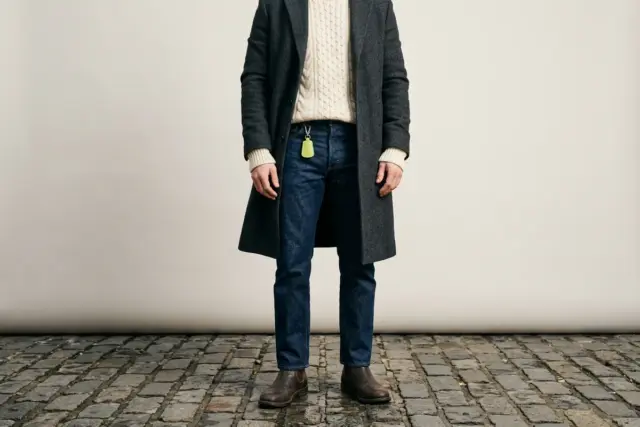
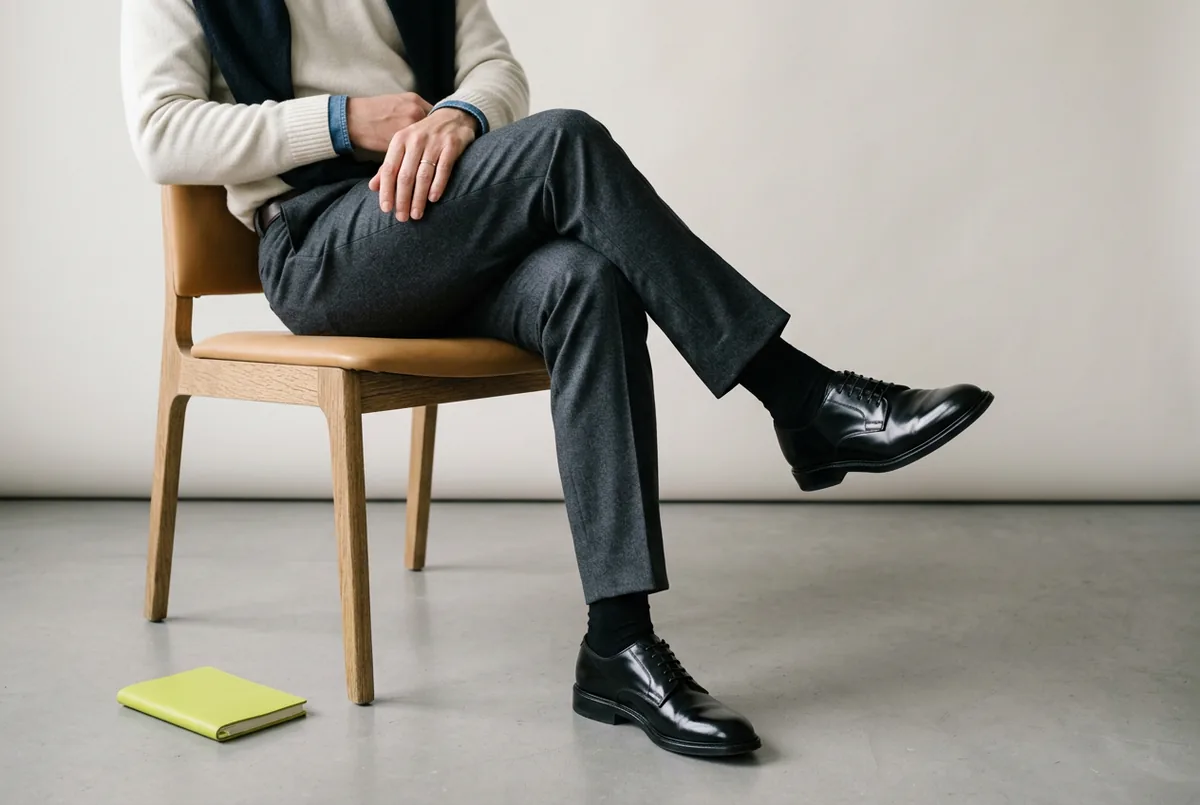
Interviews at startups, tech companies, and creative agencies present a unique challenge. The daily dress code might be jeans and t-shirts, but showing up in the same can signal that you are not taking the interview seriously. This is where smart casual comes in. It’s a step above everyday casual wear, showing polish and intent.
Do not wear a suit. You risk looking out of touch with the company culture. Instead, focus on high-quality basics in good condition. For example, instead of dress trousers, you could wear dark-wash jeans with no rips or fading, or fine-wale corduroy pants. Pair them with a button-down shirt in a fabric like Oxford cloth, a high-quality merino wool sweater, or a silk-blend blouse. A casual blazer in an unstructured cotton or knit can replace a formal suit jacket. A clean, structured cardigan or even a minimalist leather jacket can also work as a top layer, depending on the role and industry.
Footwear is key. Skip the worn-out sneakers. Opt for clean, minimalist leather sneakers, desert boots, loafers, or stylish flats. The shoes should signal that you made a deliberate choice. Whatever you choose, ensure it is clean and in good repair.
Final checks before you go
On the day of the interview, the details matter most. Your well-chosen outfit can be undermined by poor grooming or a last-minute stain. Run through a final check to ensure your presentation is as polished as your resume. The goal is to eliminate any potential distractions, for both you and the interviewer.
This list of do’s and don’ts covers common mistakes that can detract from a professional appearance. Pay special attention to scents and sounds; a quiet, neutral presence is best.
Do
- Wear clean, polished shoes
- Ensure clothes are ironed and free of pet hair
- Silence your phone before entering the building
- Bring a simple pen and a portfolio for your resume
Avoid
- Strong perfume, cologne, or scented lotion
- Noisy jewelry that jangles or clicks
- Graphic t-shirts, hoodies, or ripped jeans
- Wearing brand-new shoes you haven't broken in
Before you walk out the door, do a final fit and comfort test. You will likely be sitting for a prolonged period, walking, and shaking hands. Make sure you can do all of these things without your clothes pulling, gaping, or riding up. A comfortable candidate is a confident candidate, but preparation is what ensures that comfort.
Lay out your complete outfit the night before, including accessories and shoes, to avoid any morning rush. Check that everything is clean and pressed. This simple step eliminates decision fatigue on the day of the interview and ensures you walk in feeling prepared and composed, ready to focus on the conversation.
Read next