In this guide (7)
- The waist and seat: The foundation of a good fit
- Straight, slim, or relaxed: Finding the right cut for your legs
- The hands-on fit test
- How long should jeans be? Understanding the 'break'
- How stretch changes everything
- Putting it all together: A smart casual outfit
- How to wash jeans without ruining the fit
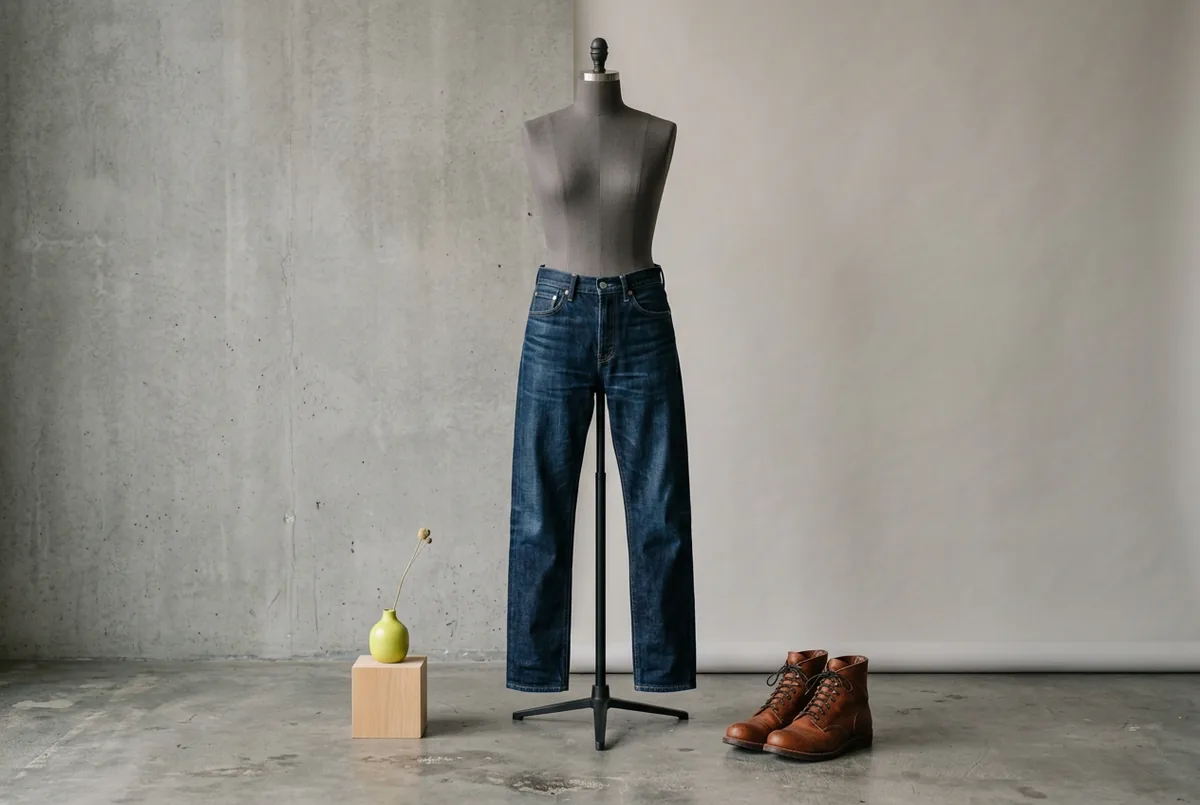
A good pair of jeans fits correctly at the waist, seat, and leg. The waistband should be snug enough to stay up without a belt but not so tight that it digs in. The seat should follow your body’s shape without pulling tight or sagging with excess fabric. Through the leg, the fit depends on the cut, but it should always allow you to walk, sit, and squat comfortably. Finding the right fit is less about the size on the label and more about creating proportion and ensuring comfort for daily wear.
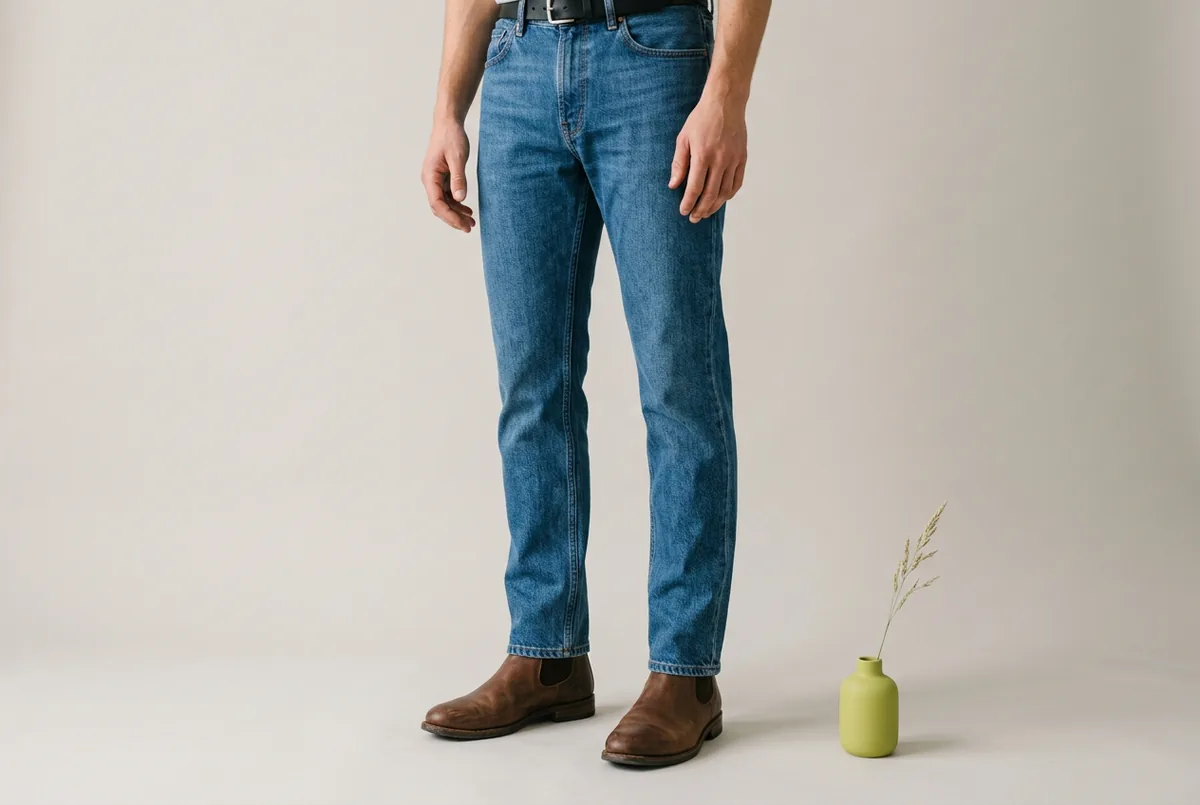
The waist and seat: The foundation of a good fit
The fit at your waist and seat determines how comfortable your jeans will be throughout the day. If this part is wrong, no amount of tailoring elsewhere can fix it.
The waistband should sit securely on its own. As a test, you should be able to slide two fingers comfortably between the waistband and your stomach. If you can fit your whole hand, they are too big and will slide down or bunch up under a belt. If you can’t fit one finger, they are too tight and will be uncomfortable when you sit. While a belt is a useful accessory, it should not be the primary tool for holding your pants up.
The seat should lightly hug your form. There should be no diagonal stress lines pulling from the center seam to the pockets, which indicates the fit is too tight. Conversely, avoid a saggy seat, where loose, droopy fabric gathers below your hips. This is a common issue with jeans that are too large in the waist or cut for a different body type. A proper fit in the seat looks clean and moves with you.
Straight, slim, or relaxed: Finding the right cut for your legs
The label on a pair of jeans (straight, slim, or relaxed) describes how the fabric is shaped from the thigh to the ankle. The name refers to the cut of the garment, not the body type of the wearer. Understanding these differences helps you choose a pair based on the silhouette you want to create.
- Straight fit: This is the classic cut. The leg is a consistent width from the thigh down to the ankle. It offers a classic, versatile silhouette and is a reliable choice if you are unsure where to start.
- Slim fit: This cut tapers from the thigh to the ankle, following the leg more closely. It is not the same as a skinny fit. A good slim-fit jean should feel close but not restrictive, creating a long, clean vertical line.
- Relaxed fit: With more room through the hip, thigh, and leg, this cut prioritizes comfort and ease of movement. The leg opening is wider, making it a good match for substantial footwear like work boots.
- Athletic fit: A more recent and practical option, this cut is designed for men with larger thighs and glutes relative to their waist. It provides extra space in the seat and thigh area before tapering from the knee down. This prevents the waist from gaping and avoids the very wide leg opening of a traditional relaxed fit.
The hands-on fit test
Sizing is not consistent between brands, so a hands-on test in the fitting room is the only way to be sure. Wear the jeans for a few minutes and run through a few simple movements to see how they perform. The right pair will feel comfortable and stay in place, whether you are standing, sitting, or walking.
How long should jeans be? Understanding the ‘break’
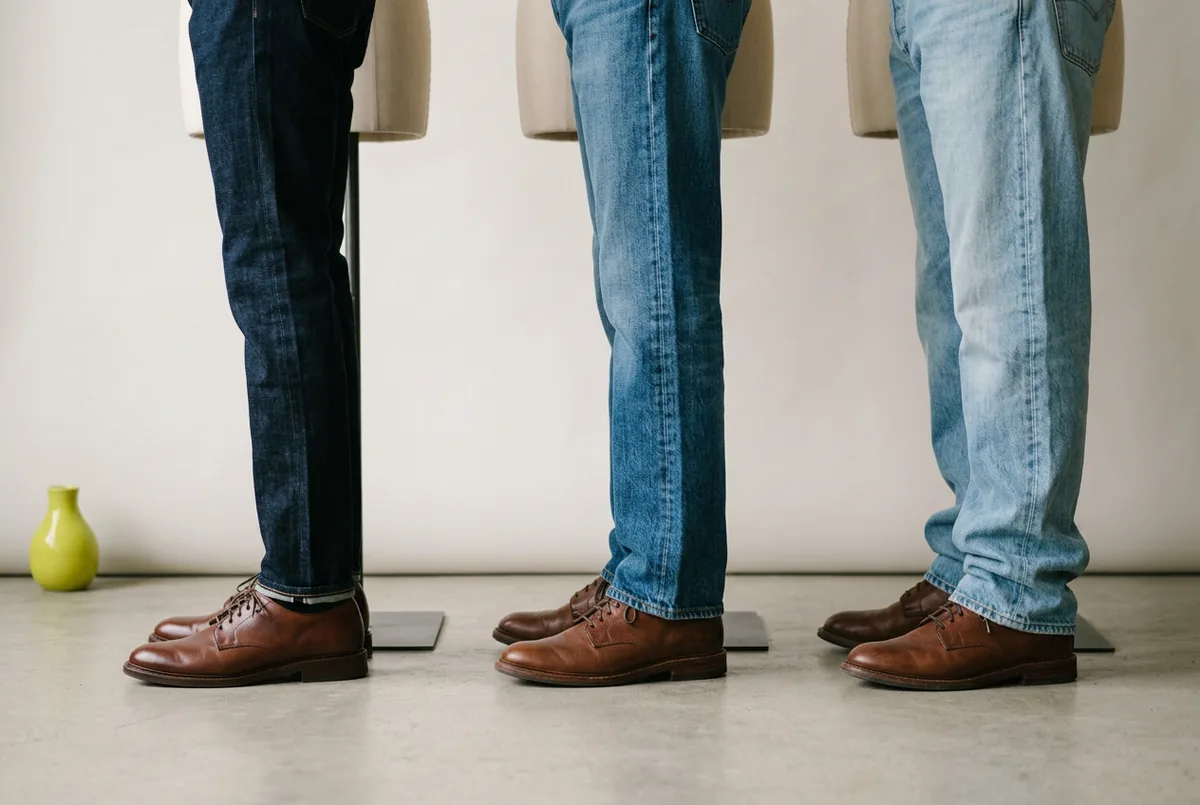
The “break” is the horizontal fold or crease in the fabric that forms where your jeans meet your shoes. The amount of break is a matter of proportion and personal preference, and the best choice often depends on the cut of the jeans and the type of shoes you are wearing.
Here is a simple rule for choosing your length:
- No break: The hem just grazes the top of your shoes without creasing. This creates a sharp, clean line and works best with slim or tapered jeans paired with low-profile sneakers or loafers.
- Slight break (or half break): The hem rests on the top of your shoe, creating one small, subtle fold. This is the most versatile and widely accepted length. It works with both slim and straight-fit jeans and almost any type of footwear, from derby shoes to boots.
- Full break: The hem has a deep crease and the fabric stacks on top of the shoe. This is a more traditional and casual look that works best with relaxed-fit jeans and substantial shoes. Avoid a full break with slim-fit jeans, as the narrow leg opening will cause the fabric to bunch up instead of drape.
Cuffing your jeans is another way to adjust the length for different shoes, giving you a second option without a trip to the tailor.
How stretch changes everything
The fabric content of your jeans dramatically affects the fit, especially after a few hours of wear. Most jeans sold today are not 100% cotton; they typically include 1% to 4% elastane (spandex) to add comfort and help the denim retain its shape.
For jeans with stretch, always choose a pair that feels snug, almost a little too tight, when you first try them on. The elastane fibers will relax with body heat and movement, and the jeans can stretch out noticeably around the waist and seat. If they feel perfectly comfortable in the store, they may feel too loose after a day of wear.
For 100% cotton, non-stretch denim, the opposite is true. This fabric is rigid and will not give much. Buy the size that fits comfortably from the start. While the denim will soften and mold to your body over many wears, it will not stretch out in the same way a blend with elastane does.
Putting it all together: A smart casual outfit
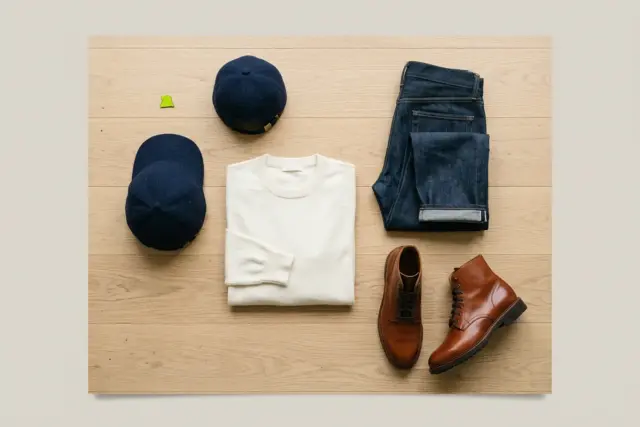
Once you find a pair of jeans with the right fit, they become a reliable foundation for many different outfits. The clean lines of well-fitting dark denim can anchor a smart casual look that works for a weekend dinner or a relaxed office environment. An outfit like this shows how a good fit does most of the work. For more ideas on this combination, see our guide on how to wear a blazer with jeans.
How to wash jeans without ruining the fit
Once you have the perfect fit, proper care will keep your jeans looking and feeling right. Washing and drying can alter the size and shape of denim, especially if it contains stretch fibers. The key is to wash them as little as necessary and to avoid high heat.
For most dark denim, wash it separately the first few times, as the indigo dye can bleed onto other clothes. Always wash jeans inside out in cold water on a gentle cycle. This protects the color and reduces friction that can wear down the fabric.
Heat is the biggest enemy of a good fit. Avoid the dryer, which can cause both 100% cotton and stretch denim to shrink. The heat also degrades elastane fibers, causing them to lose their stretch and recovery over time. Instead, hang your jeans to air dry, preferably out of direct sunlight which can cause fading. If you must use a machine, choose the lowest heat setting.
The care label provides the safest instructions for your specific pair. This table summarizes the general rules for denim.
| Care | Denim |
|---|---|
| Washing | Inside out, cold water, as rarely as you can |
| Drying | Line dry, out of direct sun |
| Ironing | Medium to high heat, inside out |
| Watch out | Dark washes bleed dye at first; wash them separately |
Proper care not only preserves the fit but also extends the life of the garment, making that initial search for the right pair a worthwhile investment.
Read next