In this guide (4)
A baseball cap can look put-together, not sloppy. The key is treating it as a deliberate part of your outfit. Choose one made from a substantial fabric like wool, canvas, or corduroy, in a neutral color with little or no branding. When you pair this kind of cap with clean, classic pieces, such as an oxford shirt, a quality knit, or a simple chore coat, it signals an intentional style choice, balancing the cap’s casual nature with a more considered wardrobe.
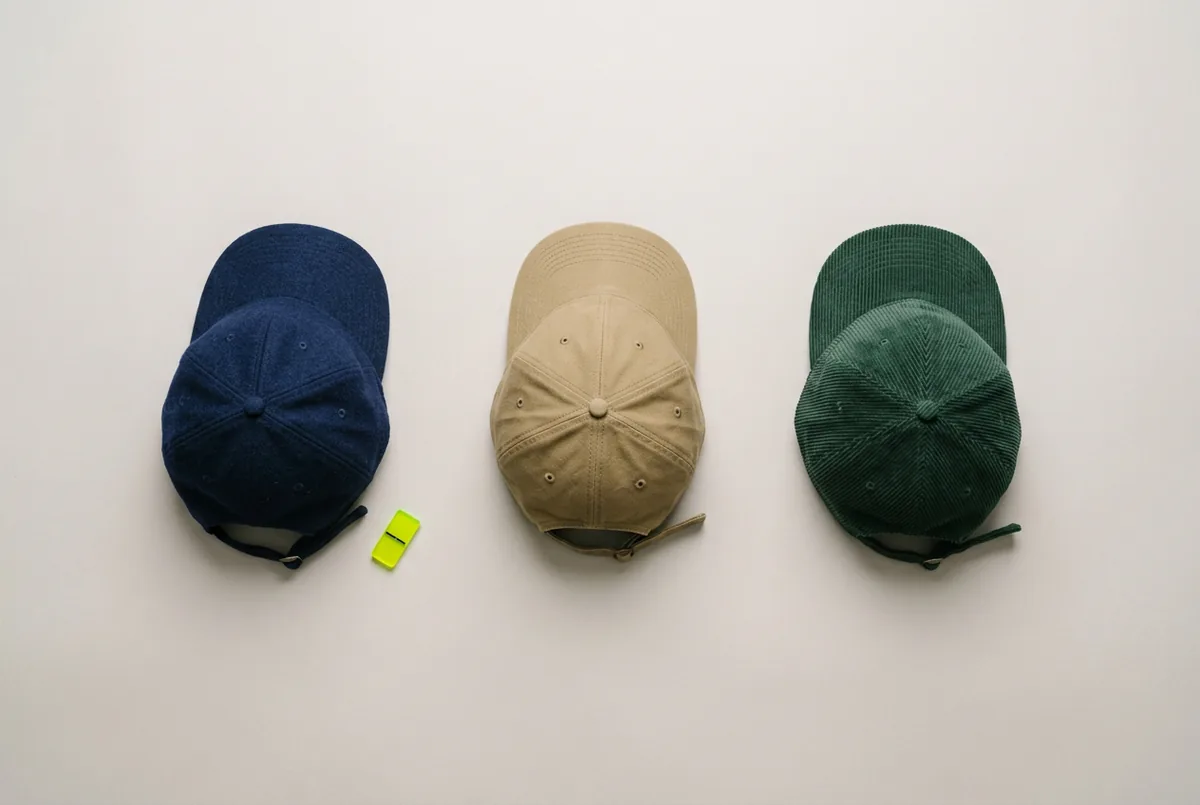
Choose the right cap
Not all baseball caps are created equal. The first step is to move beyond the promotional giveaway or the well-worn team cap, aiming for a cap that functions like any other thoughtful accessory. The difference lies in the details of its material, color, and construction.
Focus on fabric and color
Your cap’s material is its most important feature. While standard cotton and synthetic blends are fine for athletic activities, richer textures create a more put-together look. Wool flannel or broadcloth caps, for instance, add structure and warmth. This makes them a natural fit for fall and winter outfits in places with cool seasons. For spring, summer, or warmer climates, look for canvas, linen, or lightweight twill. These fabrics have more body and a more refined appearance than a typical polyester sports cap.
Stick to versatile, neutral colors that work with the rest of your wardrobe. Navy, gray, olive, khaki, and black are excellent starting points, as a cap in one of these shades can be worn with almost any casual outfit without clashing. If you prefer a bit of color, consider muted tones. Burgundy, forest green, or rust can add interest without overwhelming your look. For guidance on pairing colors, see our guide on what colors go with navy blue.
Keep branding to a minimum
A cap covered in large logos, team insignia, or brand names firmly anchors your outfit in the purely casual or fan-wear category. For a more intentional look, choose one that is plain or has only a small, discreet emblem. The absence of loud branding makes the cap more versatile. It prevents the cap from becoming a distracting focal point, shifting the focus from the logo on your head to the entire silhouette.
Consider the closure
The back of the cap also influences its overall feel. Many caps have a plastic snapback closure, which is functional but leans heavily casual. For a more refined look, a strapback cap with a fabric or leather strap and a metal buckle is a better choice. This detail is small but contributes to a more cohesive appearance. Fitted caps, with no closure at all, offer the cleanest look, but they require you to know your exact hat size.
Build the outfit to support the cap
A great cap can be undone by the wrong clothes. Pairing a quality wool cap with a stained graphic tee and baggy sweatpants results in a sloppy look. The strategy is to use the rest of your outfit to create a more polished whole.
Think in terms of layers and texture. Instead of a hoodie, pull on a merino wool crewneck sweater. Swap a basic t-shirt for a long-sleeve henley or a button-down oxford shirt worn open over a plain white tee. For outerwear, a chore coat, a simple Harrington jacket, or a structured peacoat works better than a technical parka or a team jacket. The reason is about structure and context. Classic jackets made from materials like cotton drill, wool, or waxed canvas have clean lines that complement the simple shape of the cap. A technical parka, designed for performance with synthetic fabrics and prominent zippers, creates a clash in formality.
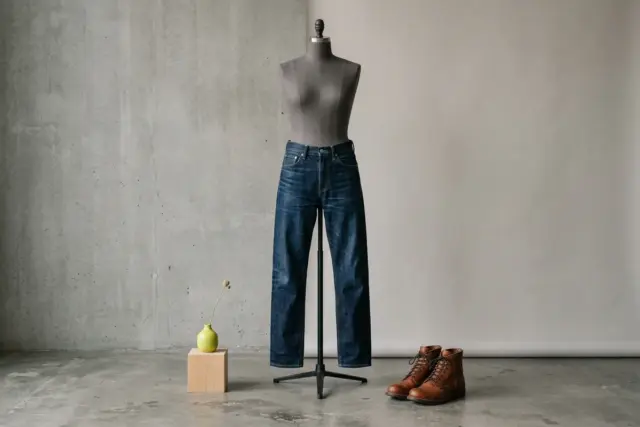
On the bottom, opt for well-fitting chinos or dark-wash denim. Getting the fit right is essential. Your pants should be the correct length and fit properly at the waist. Our checklist on how a pair of jeans should fit provides more detail.
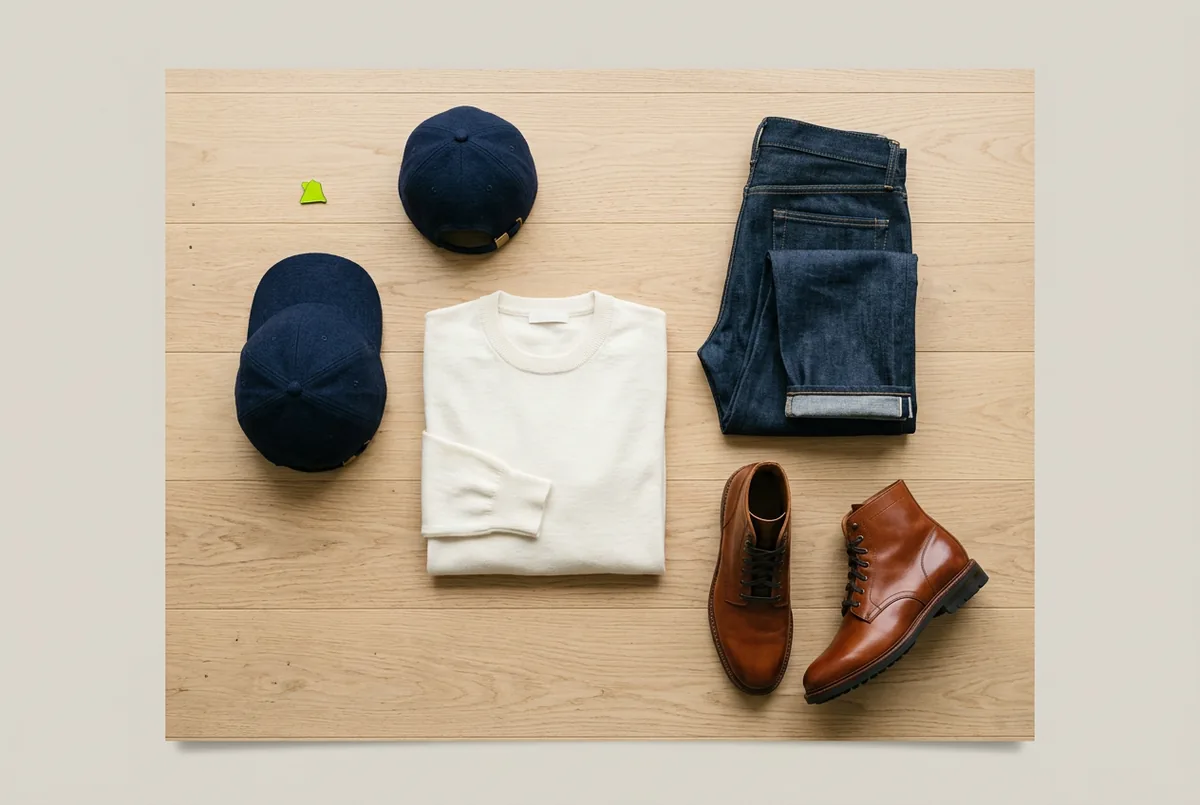
The formula above works because each piece is a classic in its own right. The cap fits into the look rather than dominating it. The textures of the wool cap and sweater create visual interest, while the clean lines of the dark jeans and leather boots provide a solid, smart foundation.
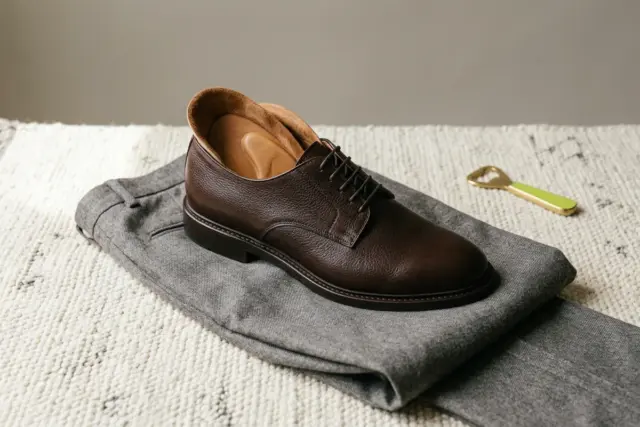
Footwear completes the look. Instead of athletic running shoes, opt for clean, minimalist leather sneakers in white, black, or gray. Simple canvas sneakers also work well. For a step up, consider leather boots, as in the formula, or even casual leather shoes like loafers or bluchers. The goal is to match the footwear to the considered, classic feel of the rest of the outfit, not the sporty origin of the cap.
Know the context
Knowing how to wear a cap also means knowing when to wear it. A baseball cap is an inherently casual accessory. It has no place in formal or professional settings. Do not wear a baseball cap to a wedding, a funeral, a formal party, or most office environments. The exception might be workplaces with a very relaxed, creative dress code, but even then, it is a choice to be made with care. When an invitation calls for business casual or anything more formal, leave the cap at home.
Wearing a cap indoors is another point of etiquette. While rules have relaxed, in a restaurant, a theater, or someone’s home, the polite custom is to remove your hat.
Do
- Pair with smart layers like a sweater or chore coat
- Choose neutral colors and quality fabrics like wool or canvas
- Ensure the cap fits your head properly
- Opt for minimal or no branding
Avoid
- Wearing it to a business meeting or formal event
- Pairing with a suit or blazer and tie
- Large, loud logos or sports team insignia
- Wearing it backward if the goal is a classic look
How a baseball cap should fit
A proper fit is what separates a sharp accessory from a sloppy afterthought. The cap should feel secure but not tight, and its shape should complement the rest of your look. Before settling on a cap, run through these quick checks.
A structured cap has a stiff buckram lining in the front two panels, which helps it hold a higher, more defined shape. This style can look cleaner and more purposeful. An unstructured cap, often called a “dad hat,” is made of softer material that conforms to the shape of your head for a more relaxed feel. Both can work, but the unstructured style leans more casual. Finally, wear it facing forward. While wearing a cap backward is a style choice, it does not project the polished, intentional look this guide focuses on.
Read next