In this guide (6)
To layer clothes for fall without looking bulky, follow one core rule: start with the thinnest fabric closest to your body and work your way out to the thickest. This method traps air between each layer, creating insulation that keeps you warm, while allowing you to shed pieces if the temperature changes. Each layer should be able to stand on its own, so when you remove your jacket indoors, you are still left with a complete, intentional outfit.
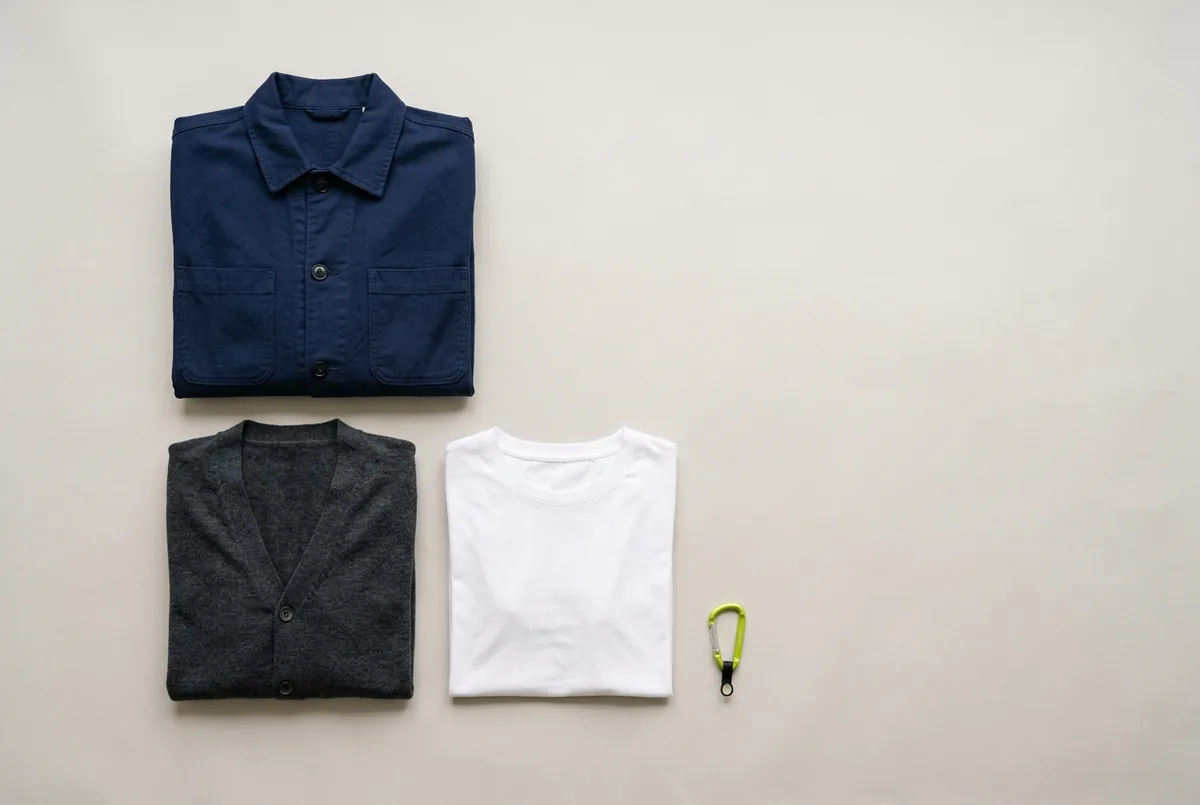
The core rule of layering: thin to thick
Effective layering is a system for managing warmth and moisture. The goal is to stay comfortable through the fluctuating temperatures of a fall day, from a crisp morning to a warmer afternoon and back to a cool evening. Piling on random bulky items will make you overheat and feel constricted. A systematic approach, moving from thin to thick fabrics, is more functional.
1. The Base Layer: This is the layer against your skin. Its main job is comfort and moisture management. A simple t-shirt, henley, or long-sleeve tee in a breathable natural fiber like cotton is the ideal start. It should fit well, close to the body but not tight, to serve as a smooth foundation.
2. The Mid-Layer: This is your primary insulating layer. It provides the most warmth. Options include a flannel shirt, a fine-gauge wool sweater, a cardigan, or a fleece pullover. Merino wool is an excellent choice for a sweater because its fibers are fine, providing significant warmth with very little bulk. A shirt worn as a mid-layer can be left open over a t-shirt for a more relaxed look.
3. The Outer Layer: This is your shell against the elements, primarily wind and light rain. It also provides the overall structure and shape for your silhouette. In the fall, this is not a heavy winter parka but a light jacket like a denim jacket, chore coat, bomber jacket, or field jacket. This piece should be roomy enough to fit comfortably over your other layers without pulling or feeling tight. For more on choosing the right one, see our guide on how to choose and style a men’s light jacket.
Building a practical fall layering system
A well-layered outfit looks intentional, not accidental. It relies on a few versatile pieces that work together in different combinations. The key is to select items that are not individually bulky. Two thin sweaters will often be warmer and less cumbersome than one heavy, chunky knit.
Consider the function of each piece. A vest, for instance, is a powerful layering tool. It adds significant warmth to your core, where you need it most, while leaving your arms free of extra fabric. This reduces bulk under an outer jacket and allows for a greater range of motion.
When assembling your layers, pay attention to the fabrics. Mixing different textures adds visual interest and stops the outfit from looking flat. The contrast between a smooth cotton t-shirt, a soft wool sweater, and a rugged canvas jacket is what makes the combination work. The block below outlines some common mistakes and how to avoid them.
Do
- Start with thin, breathable base layers
- Mix different textures like wool, cotton, and denim
- Ensure your outer layer fits comfortably over everything
- Keep your color palette to 2-3 main colors
Avoid
- Wearing your thickest layer in the middle
- Layers all ending at the same hemline
- Too many bulky patterns at once
- An outer jacket that's too tight to button
Outfit formula for a casual weekend
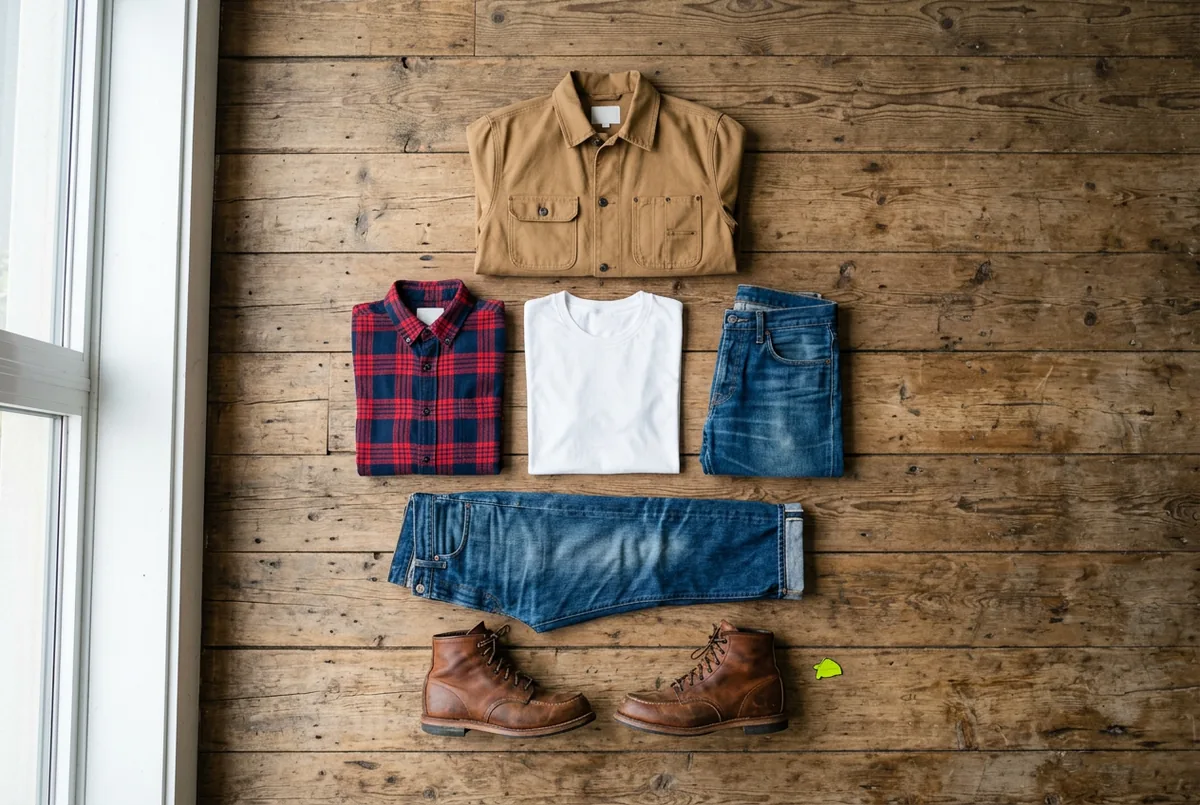
For a relaxed weekend day, like a walk in the park or a casual brunch, the goal is comfort and practicality. This formula combines classic, rugged pieces in a way that is easy to wear and adjust as the day goes on. The textures of canvas, denim, and flannel work together to create a look that is visually interesting and perfectly suited for fall.
A smarter formula for the office or commute
Layering also works in a business casual environment. The key is to use fabrics that are refined and have a closer drape to the body. A fine-gauge merino or cashmere sweater fits cleanly under a sport coat or blazer without creating lumps or pulling at the shoulders. This allows you to add a layer of warmth for a cool morning commute that you can easily remove once you get to the office, without disrupting the line of your tailored jacket. For another take on this style, check out our guide on how to wear a blazer with jeans.
Formula for unpredictable weather
Some fall days start cold, get surprisingly warm, and end with a chill. For these conditions, versatility is paramount. A vest is the perfect mid-layer, providing core insulation that is easy to wear under a jacket. This combination gives you three distinct levels of warmth: the full three-piece outfit for the coldest part of the day, the henley and vest if it gets milder, or just the henley if the sun comes out. Each stage looks like a complete outfit.
Getting the proportions right
The final element of successful layering is managing proportion. Even with thin fabrics, poor proportion can make an outfit look bulky or unbalanced.
A simple rule is to vary the hem lengths. Avoid having your t-shirt, sweater, and jacket all end at the exact same point. This creates a thick horizontal line that can visually cut you in half. Instead, let a bit of the layer underneath peek out. A sliver of t-shirt visible below the hem of a crewneck sweater, or a shirt tail extending below a shorter jacket like a bomber, adds vertical interest and breaks up the mass of fabric.
The main exception is a tucked-in shirt, which creates a clean line at the waist. In general, your outermost layer should be the longest. A blazer or chore coat should always cover the waistband of your pants and the hem of any sweater worn underneath it. A tight jacket pulled over a longer shirt creates an awkward bunching effect that is both uncomfortable and visually messy.
Finally, stick to a simple color palette. A base of neutrals like navy, gray, olive, and khaki makes it easy to combine pieces. You can then introduce one or two accent colors or a single pattern, like a plaid flannel shirt, without overwhelming the eye. This disciplined approach to color, texture, and proportion is what separates a deliberate, stylish layered outfit from just wearing a pile of clothes.
Read next