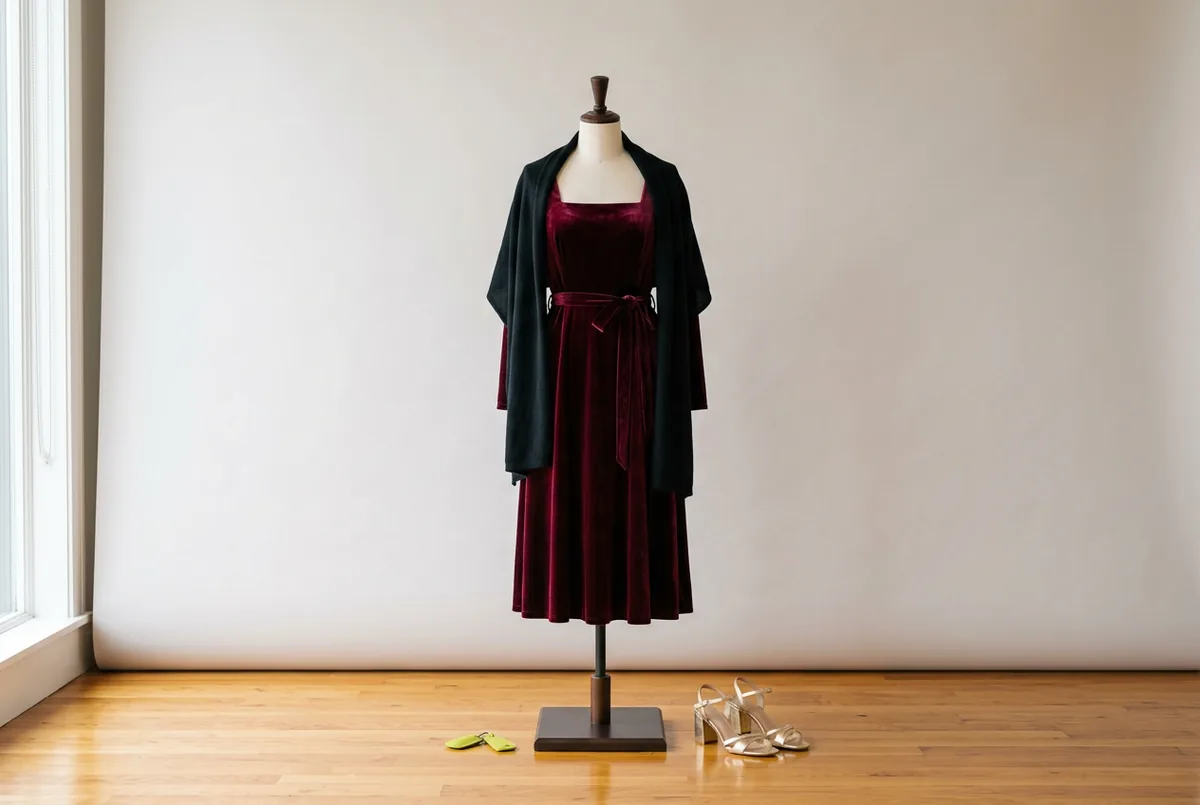
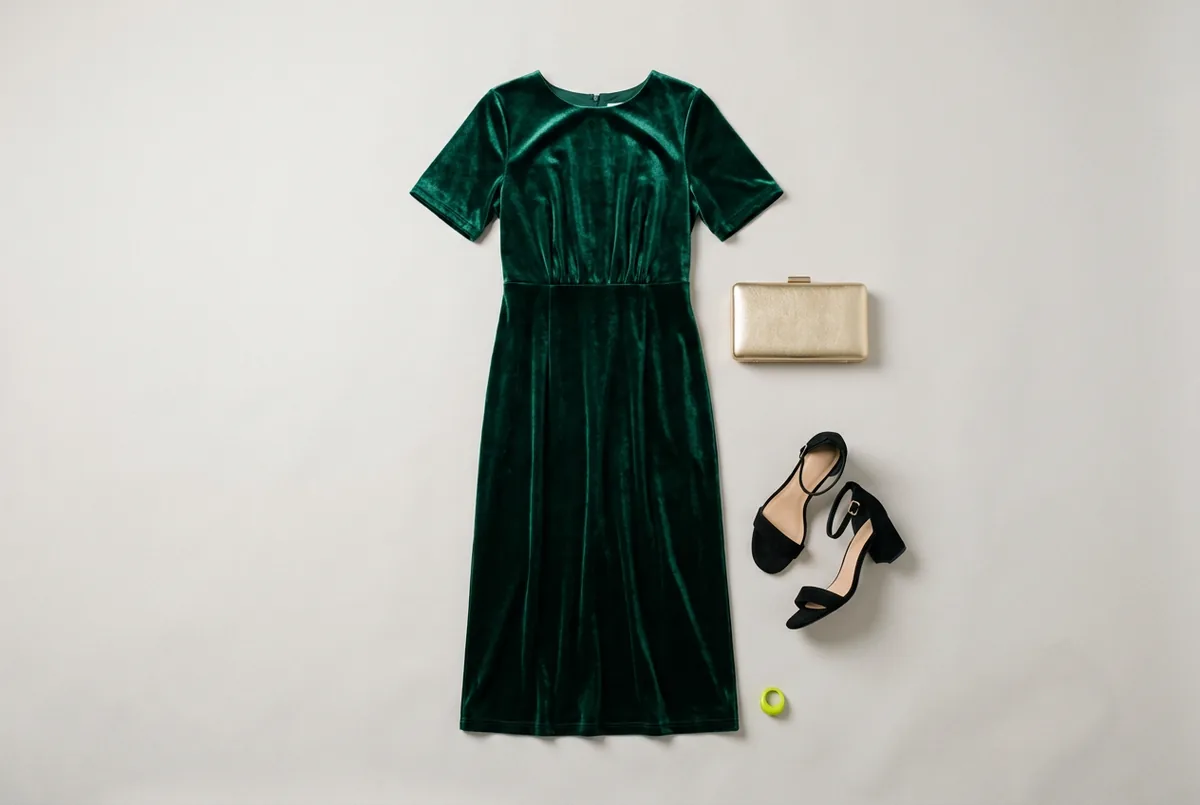
For a fall wedding, choose an outfit in rich jewel tones or earthy colors and select fabrics with more weight and texture, such as velvet, wool, or heavier crepes. This aligns your attire with the season. The most important rule is to follow the dress code specified on the invitation. If the hosts have not listed one, use the time of day and venue to guide your choice, and when in doubt, it is always better to be slightly more formal than too casual.
How to decode the wedding dress code
The invitation is your primary source of information. Wedding dress codes set the level of formality for the event, and dressing appropriately is a sign of respect for the hosts and the occasion. While some weddings are casual, most fall on the formal end of the spectrum.
Here are the most common dress codes you will encounter:
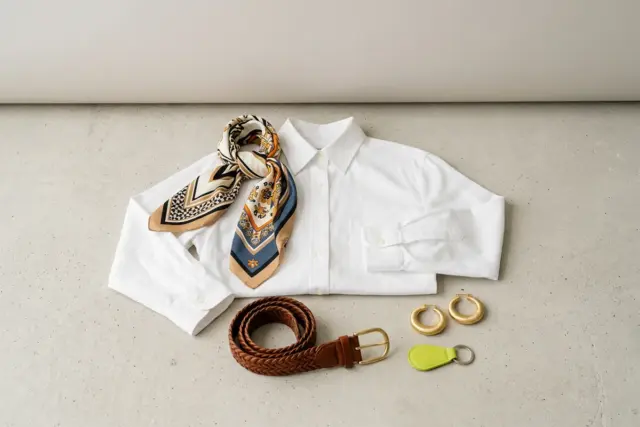
- Cocktail: This calls for a suit (a tie is optional depending on the specific event) or a knee-length to midi-length dress. You can also opt for dressy separates, like a silk blouse with tailored trousers or a skirt.
- Black tie optional: This is a step below black tie. It means a tuxedo is welcome but not required; a dark suit and tie are also appropriate. For women, a floor-length gown or a formal cocktail dress is the standard.
- Black tie: This is highly formal and requires a tuxedo with a black bow tie for men and a floor-length gown for women. Some hosts may find a very formal cocktail dress acceptable, but a long gown is the safer choice.
- Casual: This suggests everyday clothes, but for a wedding, it is best to interpret it as a step above your most casual wear. Think dark-wash jeans with a blazer, or a simple, unstructured dress. This dress code is uncommon for weddings outside of very specific, informal settings like a backyard celebration.
If the invitation does not specify a dress code, take cues from the venue (a historic hotel suggests more formality than a rustic barn) and the time of day (evening events are generally dressier than daytime ones). If you are truly unsure, it is acceptable to ask the hosts or a member of the wedding party.
An outfit formula for fall cocktail attire
Cocktail attire is one of the most common wedding dress codes. It strikes a balance between formal and celebratory without the strict requirements of black tie. For a fall event, the key is incorporating seasonal colors and textures into this framework. This outfit formula works for a typical evening cocktail wedding in a climate where temperatures are cool.
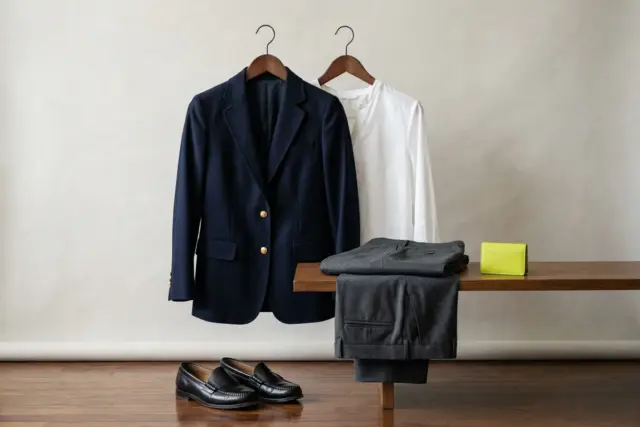
For men, the equivalent is a well-fitted dark suit in charcoal or navy wool. Wool is a practical choice for fall, as it provides warmth and has a formal structure. Pair it with a white or light-colored dress shirt, a silk tie in a seasonal color like burgundy or forest green, and leather dress shoes. Getting the fit of the suit right is essential; the jacket shoulders should end at your shoulder bone and the trousers should have a clean break over the shoe. For more detail, see our guide on how a suit should fit.
Choose fabrics and colors for the season
The transition from summer to fall is marked by a shift in the palette and weight of our clothes. A fall wedding is an opportunity to wear richer, more substantial materials that might feel out of place in July. The right fabric not only looks appropriate but also provides practical comfort as temperatures drop.
Fabrics with texture and weight
Instead of the linen and light cotton of summer weddings, look for materials with a denser weave or a plusher texture. Velvet is a classic choice for its softness and deep color saturation. Heavier silks, such as charmeuse or crepe de chine, offer beautiful drape with more substance than their lightweight counterparts. For suits, dresses, or skirts, wool and its blends are ideal for their warmth and structure. Textured fabrics like jacquard or brocade can also add formality and visual interest without needing bright colors.
A palette of rich color
Fall colors go beyond the typical brown and orange. Think of a rich, saturated palette that complements the season.
- Jewel tones: Emerald green, sapphire blue, ruby red, and deep amethyst are all excellent choices that feel festive and formal.
- Earth tones: Sophisticated earth tones like terracotta, rust, deep olive green, and mustard yellow work well, especially for daytime or more rustic weddings.
- Dark florals: A floral print on a dark background (like black, navy, or burgundy) is a way to wear a pattern that still feels appropriate for autumn.
- Neutrals: Navy, charcoal gray, and black are always reliable options, particularly for more formal dress codes.
The following list outlines what works and what to avoid when selecting your outfit.
Do
- Fabrics with weight and texture (velvet, wool, heavy crepe)
- Rich jewel or earth tones
- A dressy, practical layer
- Closed-toe shoes
Avoid
- Any shade of white, ivory, or cream
- Casual fabrics like linen, chambray, or denim
- Anything you would wear to a club
- Flip-flops or very casual sandals
Plan for unpredictable fall weather
Fall in the United States can mean a warm, sunny afternoon in Southern California or a crisp, cold evening in the Northeast. Even within the same day, temperatures can drop significantly after sunset. A thoughtful layer is not just an accessory but a necessity.
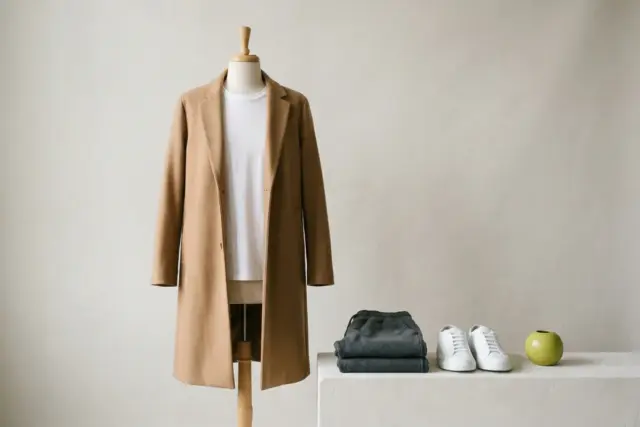
For a formal or cocktail event, your outerwear should match the rest of your outfit in formality. A pashmina, a tailored wool coat, or a faux-fur stole can be draped over a dress. A sharp blazer can also work over a dress or with dressy separates. For men, a suit jacket is a built-in layer. For travel to and from the venue on a cold day, a classic wool overcoat is the most appropriate choice to wear over a suit.
Your shoe choice also matters. Closed-toe shoes, such as pumps, elegant flats, or leather dress shoes, are generally more suitable for the season. They offer more protection from the cold and are more practical if any part of the event is outdoors on grass or gravel. Ensure your dress shoes are comfortable and well-fitted; for guidance, review our article on how a man’s dress shoe should fit.
Prepare your outfit: care and final checks
Once you have chosen your outfit, make sure it is ready for the day. A beautiful garment can be let down by wrinkles or a last-minute stain. Formalwear is often made from materials like silk, wool, or rayon that require specific care, so planning is key. Do not leave this for the morning of the wedding.
- Check the care label immediately. As soon as you decide on an outfit, find the care label. It will tell you the one safe cleaning method the manufacturer guarantees. If it says “Dryclean Only,” it cannot be washed at home.
- Allow time for professional cleaning. If the garment needs to be dry-cleaned, take it to a cleaner at least a week before the event. This leaves a buffer for any potential delays.
- Press or steam correctly. Most formal fabrics should not be ironed on high heat. Wool suits are best steamed. For a silk or rayon dress, use a low-heat setting and iron inside out, or use a handheld steamer. Check the label: an iron symbol with an X through it means do not iron.
- Try on the complete outfit. A few days before the wedding, try on everything together: the dress or suit, shoes, any layers, and accessories. This ensures everything fits, works together, and is comfortable enough to wear for several hours.
Understanding the symbols on a care label can prevent you from accidentally shrinking a wool suit or damaging a silk dress. The U.S. Federal Trade Commission (FTC) requires these labels on most textile clothing. The block below explains the most common symbols.
Wedding guest etiquette
Beyond your attire, a few points of etiquette are worth remembering. The most well-known custom is to avoid wearing white, cream, or ivory, as those colors are traditionally reserved for the bride. It is also important not to upstage the couple; while you should follow the dress code, avoid anything that draws excessive attention. Respecting these customs ensures the focus remains on the celebration and the people at its center.
Read next