In this guide (6)
Hand-washing clothes correctly starts with a clean basin, cool water, and a small amount of gentle detergent. Submerge the garment, press it gently to ensure it’s saturated, and let it soak for a short time before swishing it through the water. After draining the basin, rinse the item with clean, cool water until all suds are gone. Never wring the garment. Instead, gently squeeze out the excess water or roll it in a clean towel before laying it flat to dry. This method protects delicate fibers from the agitation and heat of a machine, which can cause permanent damage.

When to hand-wash your clothes
Hand-washing is the safest method for cleaning garments made from delicate fibers or with fragile construction, like beading or embroidery. Unlike the intense spinning of a machine, it protects materials that do not stand up to agitation and heat. Wool can felt and shrink permanently in a hot wash, silk fibers weaken, and the spandex in lingerie and swimwear degrades. For these items, washing by hand is not just a suggestion; it is a necessity for preserving their fit and texture.
Before you wash any garment, check the care label. The U.S. Federal Trade Commission’s Care Labeling Rule requires manufacturers to attach a permanent label with instructions for at least one safe cleaning method.
- A washtub symbol means the item is machine washable. A hand in the washtub means “hand-wash.” An X over the washtub means “do not wash.”
- “Dryclean” means dry cleaning is a safe method, but it does not rule out washing.
- “Dryclean Only” is a warning that the garment cannot be washed safely at home. Trust this instruction to avoid ruining the item.
Hand-washing is the default for most delicate items, including silk blouses, fine-gauge knits, and most lingerie. Because they are worn close to the skin and contain fragile materials like lace and elastic, bras in particular benefit from gentle washing. For specific advice on extending their life, see our guide on how often you should wash your bra.
What you need for hand-washing
Gathering a few simple items before you begin makes hand-washing a smooth and simple process.
- A clean basin: You can use a sink, a bathtub, or a dedicated wash basin. Whatever you choose, make sure it is scrubbed clean first. Residue from cleaning products or other grime can transfer to your clothes.
- Gentle detergent: Use a detergent formulated for delicates. Standard laundry detergents can be too harsh, stripping the natural oils from fibers like wool and silk and causing them to become brittle. For wool and cashmere, a specialized wool wash is best. You only need a small amount of liquid detergent for a single garment or a few small items.
- Towels: You will need at least one clean, thick, light-colored towel to remove excess water from the garment after washing. Using a light color avoids any risk of dye transfer.
How to spot-treat stains before washing
Before you submerge a garment, inspect it for any stains. It is easier to treat them while the fabric is dry. For a fresh spill, gently blot (do not rub) the area with a clean, damp cloth. For set-in stains, you can apply a small dot of your gentle detergent or a specialized stain remover directly to the spot. Work it in with your fingertip and let it sit for a few minutes before proceeding with the full wash. Always test stain removers on an inconspicuous area first, like an inside seam, to ensure they do not cause color loss. For specific tough stains, different methods apply; our guide on how to get blood out of clothes offers targeted advice.
The step-by-step guide to hand-washing
Follow these steps to wash your delicate garments gently and thoroughly. This process works for most fabrics that require it, from wool sweaters to silk blouses.
- Prepare your space. Start with a clean sink or basin. If you are washing more than one item, sort them by color (lights, darks) and wash each group separately to prevent dye from bleeding. Check the garment for any stains that might need pre-treatment.
- Fill the basin. Fill the basin with cool water, never warm or hot. Hot water can cause colors to bleed and certain fabrics, like wool, to shrink. Add a small amount of your gentle detergent and swish it around to create a soapy solution.
- Submerge and soak. Turn the garment inside out to protect the outer surface. Submerge it completely in the water, pressing down gently to ensure it is saturated. Let it soak for a short time; for most items, this is all that is needed to lift dirt. Avoid soaking garments for extended periods, as this can weaken fibers.
- Wash gently. After soaking, swish the garment through the water. Gently squeeze the soapy water through the fabric with your hands. For heavily soiled areas, like cuffs or underarms, you can gently rub the fabric against itself. Avoid any aggressive scrubbing or twisting, which can damage fibers.
- Rinse thoroughly. Drain the basin and carefully support the garment so its weight does not stretch it. Refill the basin with cool, clean water and press the garment against the side to work out the soap. Repeat the rinse process until no more suds appear.
- Remove excess water. Lift the garment with both hands. Gently squeeze out as much water as you can, but do not wring or twist it. Wringing stretches and breaks delicate fibers, permanently damaging the shape of the clothing. The safest method is to lay the garment flat on a clean, thick towel. Roll the towel up with the garment inside, pressing gently to absorb more water.
How to dry hand-washed clothes
Proper drying is just as important as washing. Always air-dry delicate garments away from direct sunlight or heaters, as high heat can cause fading, shrinkage, and fiber damage.
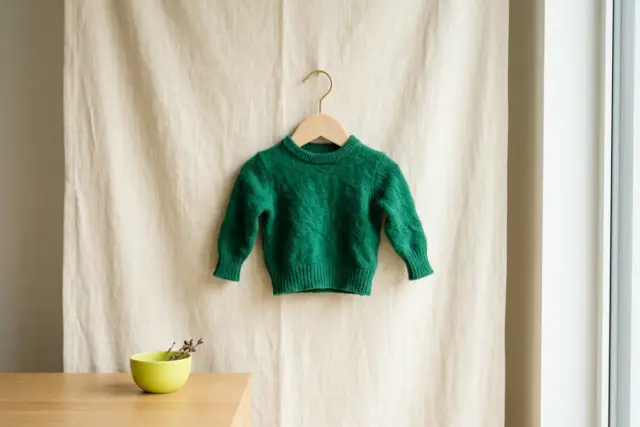
For heavy items like wool or cashmere sweaters, always lay them flat to dry on a fresh, thick towel or a mesh drying rack. The weight of the water will stretch a wet knit garment permanently out of shape if it is hung. While the sweater is still damp, gently reshape it by patting the cuffs, hem, and shoulders into place.
Silk garments should also be laid flat. After rolling the item in a towel to remove excess water, place it on another dry towel or a flat drying rack. Like wool, wet silk is prone to stretching and can lose its shape if hung.
Some lighter garments, like those made of rayon (viscose), can be dried on a hanger. Use a padded or plastic hanger, as wood can stain wet fabric. Because rayon is weaker when wet, check that the weight of the garment is not pulling the shoulders out of shape. When in doubt, or if the care label suggests it, drying flat is always the safest option.
The table below provides specific care guidance for common delicate fabrics. Always check the garment’s own care label first, as it provides the most accurate instructions.
| Care | Silk | Wool | Rayon (viscose) |
|---|---|---|---|
| Washing | Hand wash cold with a mild detergent, or dry clean if the label says so | Hand wash cold with wool detergent, or the wool cycle | Hand wash or gentle cycle, cold water |
| Drying | Flat on a towel, out of the sun; never wring | Flat, never hanging | On a hanger; do not wring |
| Ironing | Low heat, inside out | Steam, or medium heat with a damp press cloth | Low to medium heat, inside out |
| Watch out | Perfume and deodorant leave marks | Heat plus agitation shrinks it for good (felting) | Shrinks and loses shape with heat and twisting |
A common mistake: using too much detergent
A common mistake is assuming more detergent means a better clean. For hand-washing, you need much less than you would for a machine load. For a single item in a sink, a small amount of liquid detergent is sufficient. If you are washing several items in a bathtub, you might only need a little more. The water should feel slightly slippery, but not be covered in a thick foam of bubbles. If you finish rinsing and still see suds, you have used too much.
Leftover detergent residue can leave fabric feeling stiff, irritate sensitive skin, and even attract more dirt over time. Using the right amount of detergent and a gentle process is not just about cleaning. It is a maintenance routine that preserves the fabric, color, and shape of your garments. This careful attention is what keeps a favorite wool sweater from shrinking and a silk blouse from losing its sheen, extending the life of clothes you want to wear for years.
Read next