In this guide (6)
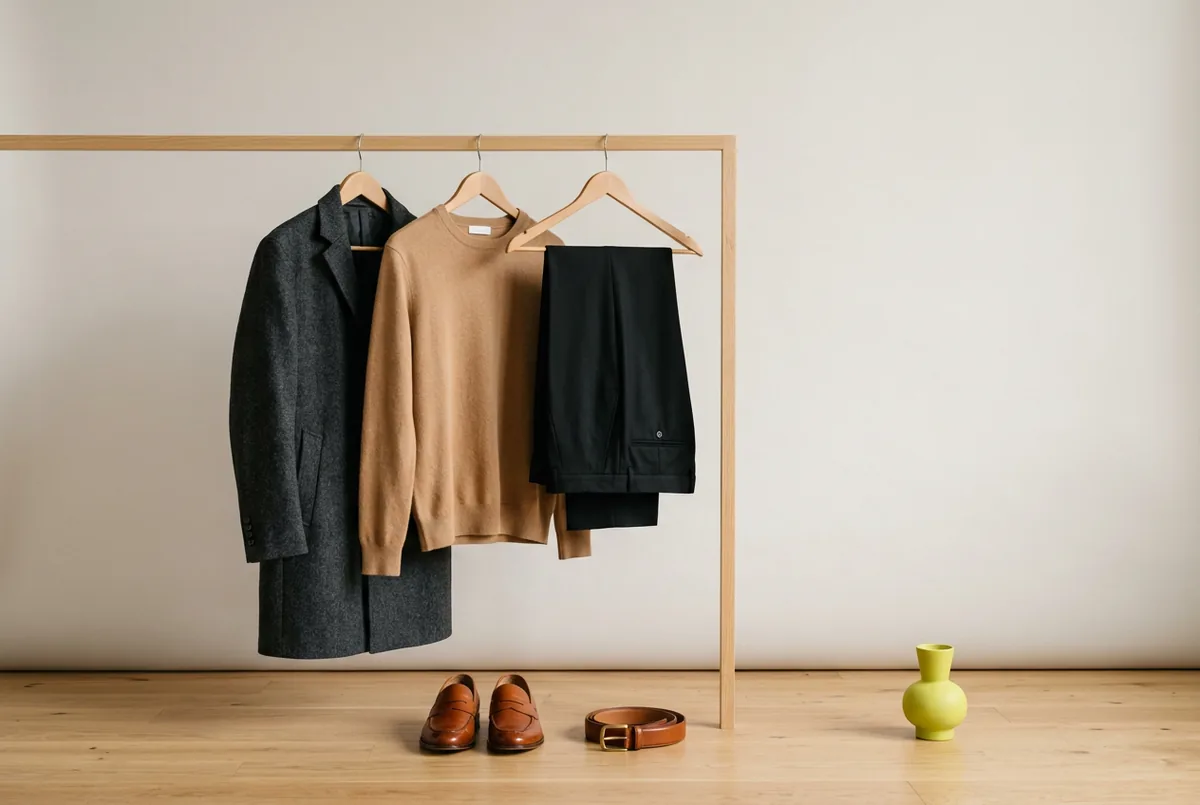
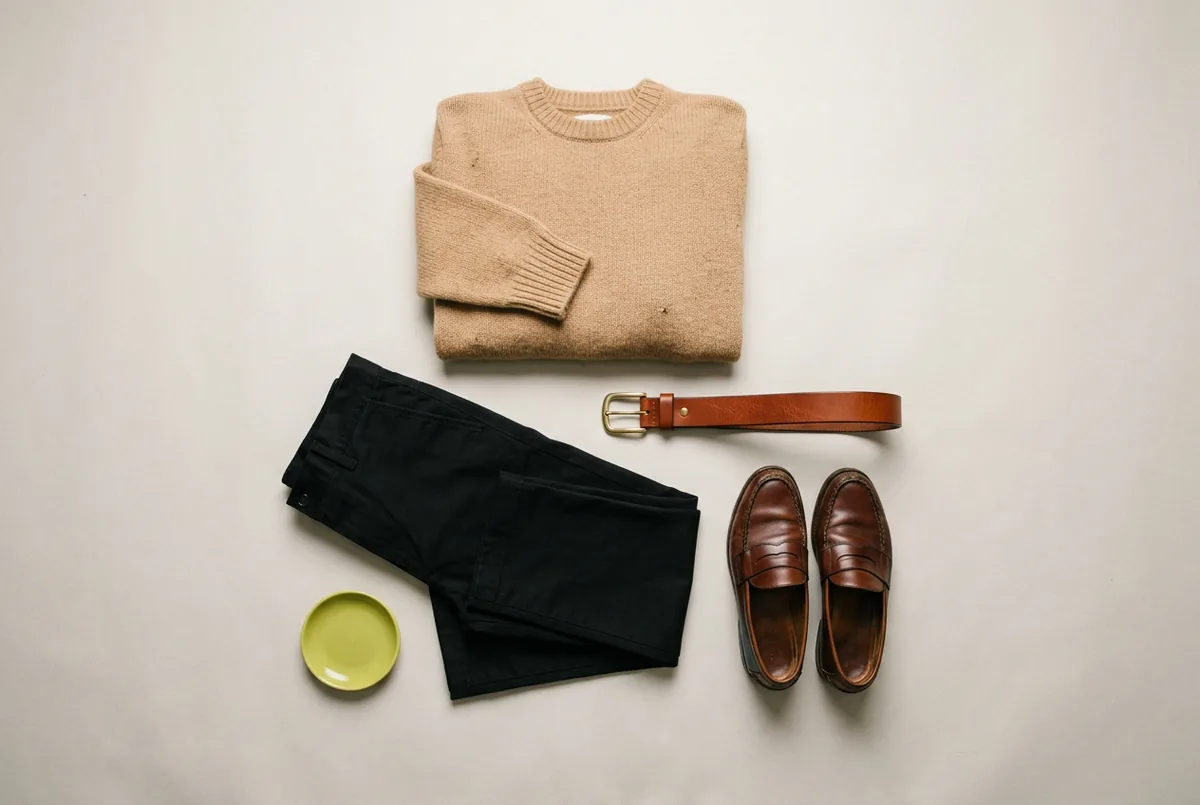
Wearing black and brown together works reliably whenever you create an unmistakable brightness gap between the two shades. The old style taboo against mixing them stems entirely from low-contrast mistakes: pairing true black with a dark, muddy brown that looks like faded black fabric under office fluorescent lighting. To make the pairing look deliberate rather than accidental, anchor your outfit with high-contrast pairings like jet black alongside camel, tan, or warm cognac, or choose a rich, saturated chocolate brown that maintains clear warmth against cool black. Back that contrast up with the rule of two: repeat whichever neutral is your secondary color at least twice across your clothing, knitwear, or leather accessories so the contrasting shade never sits isolated.
The value-contrast rule and why undertones matter
The human eye detects contrast before it decodes color. When two dark shades sit next to each other with nearly identical tonal depth, visual edges blur. A black wool blazer placed over a dull dark brown shirt creates ambiguity: from ten feet away, observers cannot tell if you attempted a monochrome look with worn-out garments or mixed colors on purpose. Contrast solves this friction instantly.
High contrast relies on a clear separation of tonal values. Black has the lowest possible value, absorbing light and anchoring the outfit. Pairing black with camel, toffee, sand, or honey creates immediate separation because those lighter shades reflect significantly more light. The border between your trousers and your top remains crisp across every lighting condition, from bright October sunlight in the Southwest to dim subway cars in New York.
Medium-to-deep contrast also works, but only when you manage undertones. If you wear deep chocolate brown with black, the brown must feature rich, warm red or golden undertones rather than cool, ashy grey undertones. Warm chocolate provides chromatic distinction even when the tonal value sits relatively close to black. If you step outside into natural daylight and cannot immediately tell where your coat ends and your trousers begin, the brown is too close to black in value and lacks sufficient warmth.
The rule of two for accessories and layers
An isolated brown piece dropped into an otherwise all-black outfit can look like an error, as though you ran out of clean black socks or grabbed the wrong shoes while dressing in a rush. The rule of two prevents this visual disconnect by requiring that you introduce your secondary neutral in at least two distinct spots.
If you wear a black wool coat, black tailored trousers, and a black mock-neck shirt, adding a lone pair of tan boots draws every eye straight down to your feet. The shoe sits completely detached from the rest of your frame. Introduce a second element in the same color family, such as a tan cashmere scarf, a cognac leather tote, or a camel beanie. By repeating the tone higher up, you establish a deliberate rhythm that carries the eye across your full vertical line.
The inverse works just as well. An outfit built on brown foundations, such as a chocolate corduroy suit or a camel wrap coat over tobacco trousers, benefits from black anchors. Ground the look with black leather Chelsea boots and a black ribbed turtleneck. The black points anchor the warm fabric, lending sharpness and visual weight to the softer brown drape. When coordinating complex palettes, the balance rules discussed in our guide on what colors to wear with navy blue apply here as well: dominant neutrals require intentional supporting accents.
Playing with texture to define color boundaries
Color contrast becomes stronger when you combine different fabric surfaces. Smooth black worsted wool trousers sitting directly against a smooth dark brown poplin shirt look muddy because both fabrics absorb light similarly. When you vary the textures, each piece catches light differently, carving out clear boundaries between garments.
Pair rough, tactile materials with smooth or dense fabrics. A chunky brown fisherman rib sweater in hearty wool breaks apart the sleek surface of black leather boots or dark twill pants. Ribbed knits, suede, corduroy, and brushed flannel trap shadows within their weave, which highlights their brown pigmentation. Smooth black denim or polished black leather reflects direct light, creating a crisp material division right at the seam.
Suede serves as one of the most effective tools for blending black and brown. Brown suede boots or a tobacco suede jacket possess a matte, diffused finish that softens the transition against severe black denim. The nap of the leather provides depth that prevents the brown from looking flat or washed out against deep black dyes.
Mixing black and brown leather shoes, belts, and bags
Traditional menswear and womenswear conventions once insisted that shoes, belts, and bags must match each other exactly in both color and finish. Modern practical dressing allows you to break this uniform, but you need a simple framework to avoid visual chaos.
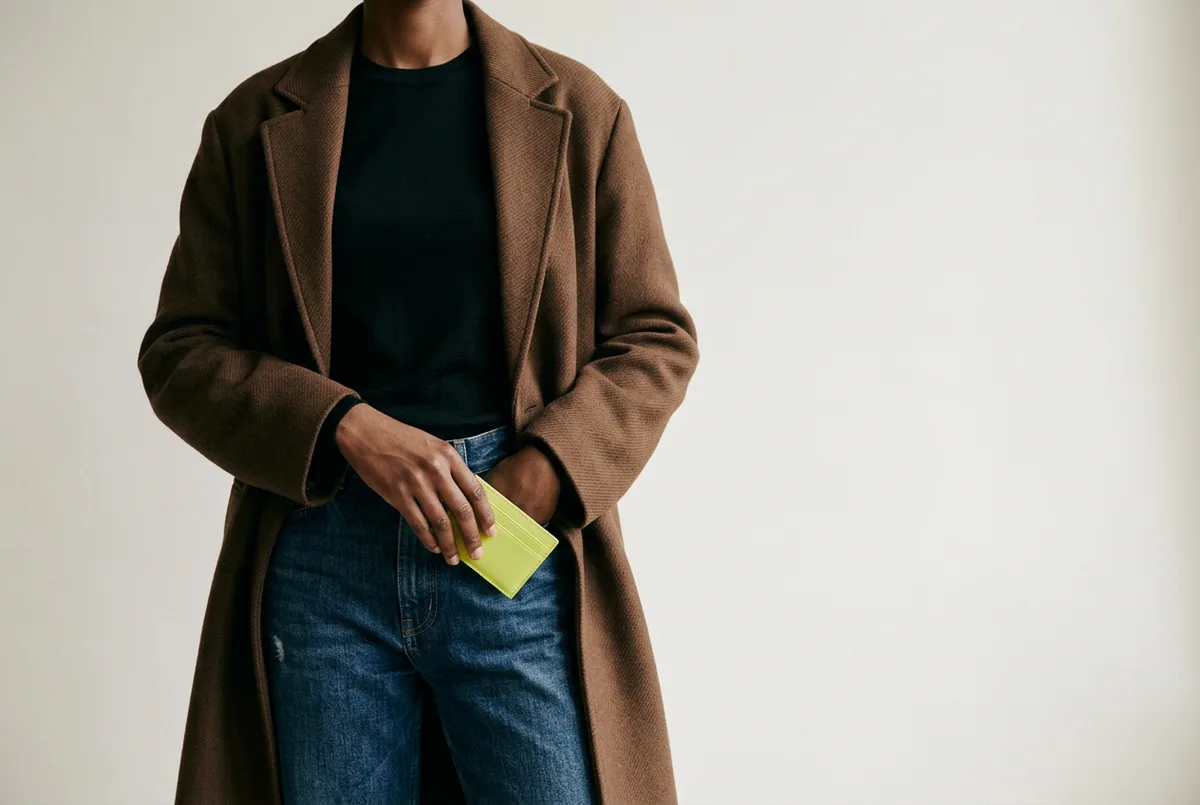
Start by treating your footwear and your trousers as a single visual unit. Black boots worn under full-length black trousers extend the vertical line down to the floor without breaking the eye at the ankle bone. If your foundation is solid black, your belt and bag can step forward in warm cognac or rich chocolate leather. This treatment lets your leather goods function as warm focal points against a clean canvas.
When you choose brown footwear with black trousers, expose a deliberate visual boundary. Cropped trousers landing just above the ankle bone or straight-leg trousers with clean breaks establish where the pant hem stops and the brown leather begins. Pair warm cognac shoes with a matching or closely toned belt. You do not need an exact dye match between belt and shoes, but you should keep them in the same temperature family. Avoid pairing a warm, reddish cognac belt with a cool, grey-tinted walnut boot.
Handling metallic hardware and jewelry
Combining black and brown garments inevitably brings metal hardware into the mix, from belt buckles and zipper teeth to handbag clasps and watch cases. You do not need to replace your entire accessory collection to make the neutrals work together.
Gold and brass hardware naturally share the warm undertones found in camel, cognac, and tan leather. Silver, nickel, and gunmetal echo the cool, neutral depth of black. If you wear a black outfit with brown boots, a warm brass buckle on your belt ties the footwear into the center of your torso without needing an additional piece of clothing.
Mixed metals also resolve hardware questions cleanly. If your daily watch is stainless steel and your bag strap features brass clasps, the dual metallic tones bridge the gap between cool black cloth and warm brown leather. Focus on maintaining balance across your frame rather than forcing every buckle and zipper to match identically.
Do
- Select browns with high value contrast such as camel, tan, or warm cognac
- Repeat the secondary neutral in at least two separate pieces across the outfit
- Mix matte wool or chunky knit textures with smooth leather to create distinct boundaries
- Keep belt and shoe leather tones aligned within the same warm undertone family
Avoid
- Pairing jet black with muddy dark brown that looks like faded black in low light
- Wearing a single brown accessory against an entirely black outfit with no repetition
- Mixing patent black leather with distressed brown suede in a formal setting
- Assuming all leather hardware must match when silver and brass naturally balance both tones
When to avoid the combination
While black and brown pair effectively for smart casual offices, weekend layers, and seasonal street wear, specific settings call for a simpler palette. High-formality dress codes, such as business formal or black tie events, leave very little room for neutral experimentation. A black dinner jacket demands black patent or polished calfskin shoes, black silk bow ties, and strict uniformity. Introducing brown oxfords or a cognac belt into a black formal suit degrades the sharp structure required by the occasion.
Severe summer heat in humid southern regions also complicates this color pairing. Heavy dark neutrals absorb solar heat rapidly, making head-to-toe black and brown combinations feel oppressive outdoors. During July and August, building a functional rotation around lighter ecru, linen, and soft tan proves far more comfortable, a concept detailed in our guide on how to build a fall capsule wardrobe as temperatures shift back toward richer earth tones. Reserve heavy black and chocolate pairings for crisp autumn mornings and cold winter afternoons when wool, suede, and heavy cotton shine.
Read next