In this guide (6)
- How theater seating dictates your fabric choice
- The temperature split: handling drafty aisles and packed rows
- Footwear for Midtown concrete and steep balcony stairs
- Matinee versus evening: setting the right tone
- Reading garment care tags before pre-show steaming and pressing
- Theater etiquette details that affect what you wear
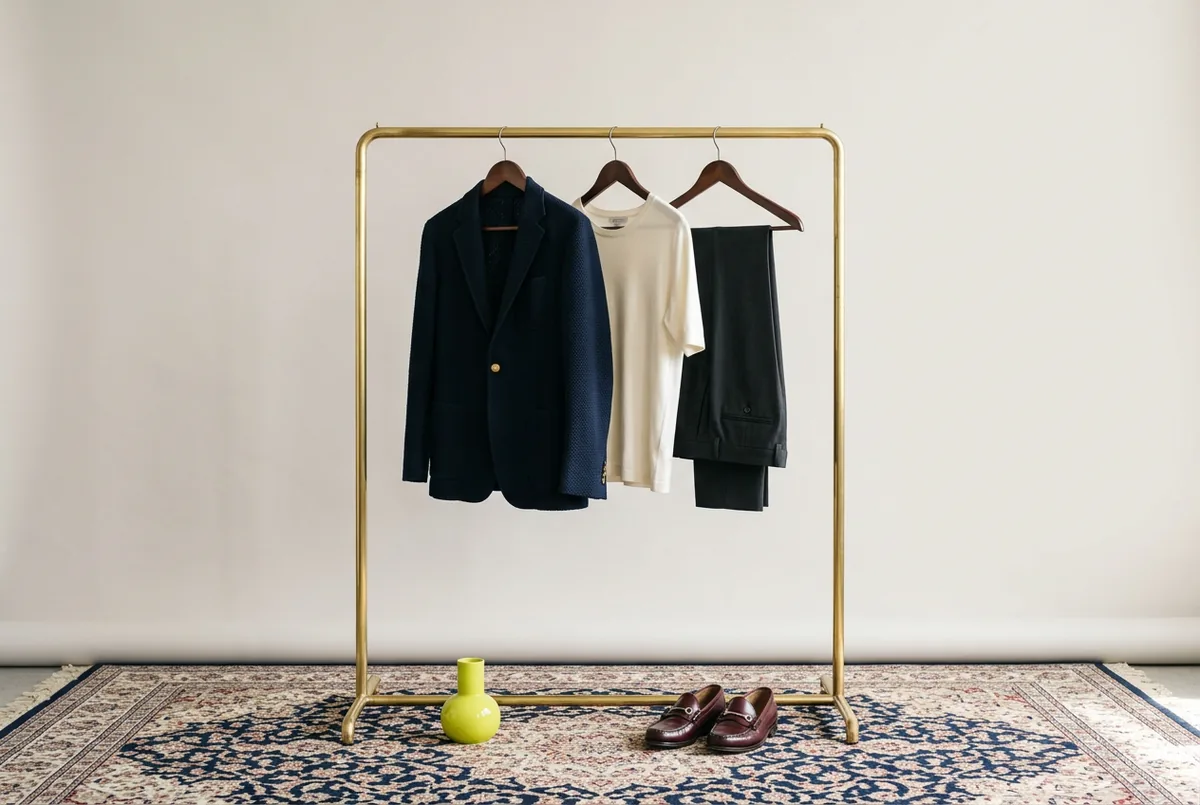
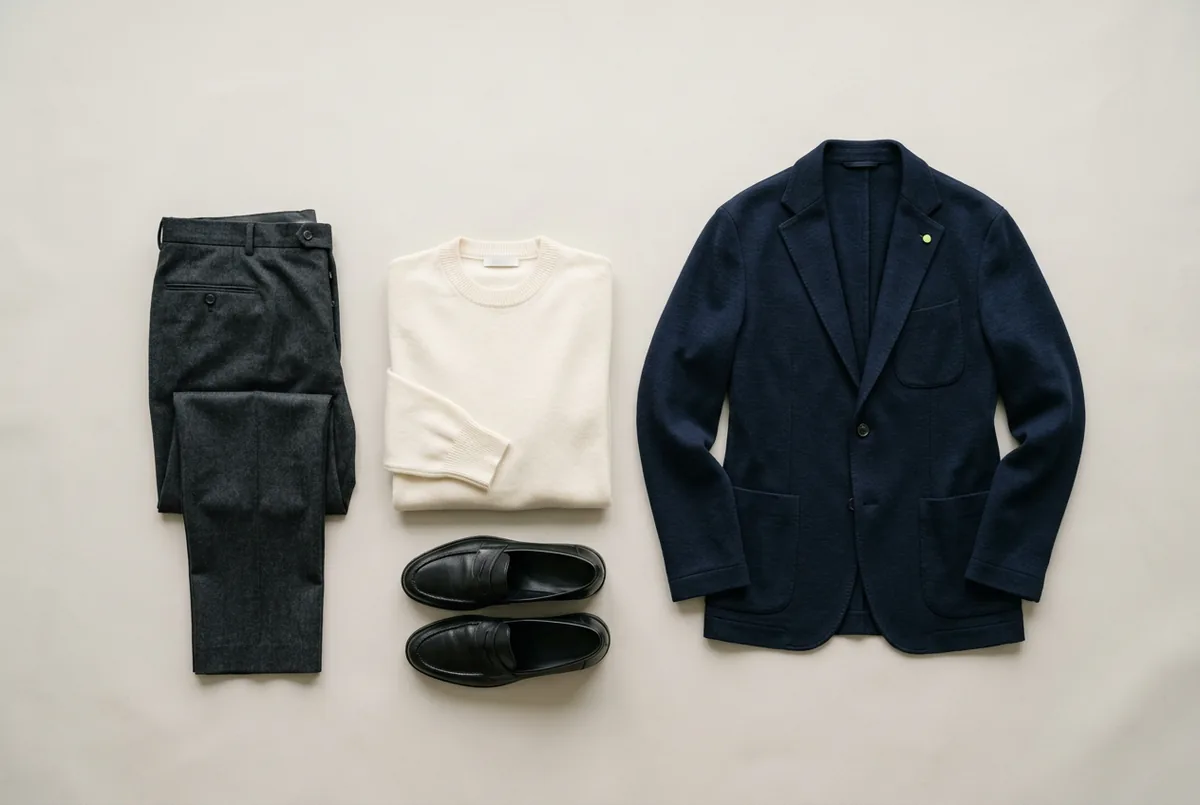
The ideal outfit for a Broadway show is an intentional smart casual combination: tailored wool or ponte trousers, a breathable cotton or fine-knit top, an unstructured compact jacket or cardigan, and cushioned leather walking shoes. Broadway theaters have no official dress code, so you will see everything from dark denim to cocktail attire. However, historic Broadway houses feature narrow 18-inch seat pans, minimal legroom, and unpredictable airflow that swings between chilly exterior drafts and dense crowd heat. Dressing successfully means prioritizing wrinkle-resistant fabrics that do not bunch across the lap, compact outer layers you can fold over your knees without invading neighboring space, and footwear built for city walking.
How theater seating dictates your fabric choice
Historic Broadway venues in Manhattan, as well as historic touring houses across Chicago, Boston, and San Francisco, date back to the early twentieth century. Their seats measure between 17 and 19 inches across, leaving zero room for excess volume or rigid fabric. When you sit upright for two and a half hours, rigid denim pinches the waist, stiff cotton shirts pull across the shoulder blades, and pure linen develops deep horizontal crease lines across the hip flexors that remain visible for the rest of the evening.
Select fabrics with natural elasticity or dense, recovery-focused weaves. Wool crepe, mid-weight ponte jersey, and cotton-spandex twills stretch with your body during prolonged sitting and shed creases quickly once you stand at intermission. For shirts and blouses, fine-gauge merino wool or dense silk twill recovers from compression far better than crisp poplin. If you prefer denim, choose a clean, dark-wash straight-leg jean with 1 to 2 percent elastane rather than a 100 percent cotton rigid selvedge cut. To evaluate trouser proportions that remain comfortable while seated, consult our guide on how pants should fit from the waist to the hem.
The temperature split: handling drafty aisles and packed rows
Auditorium temperatures fluctuate sharply over the course of a single performance. Pre-show lobbies and auditorium perimeters stay cold from opened exterior doors and ventilation blowers. Once three hundred to fifteen hundred patrons take their seats, ambient warmth builds rapidly, creating pockets of dry heat in the orchestra center and lower mezzanine.
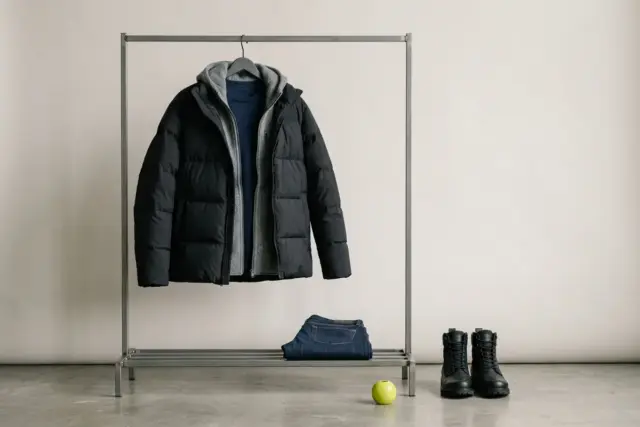
Bulky winter parkas, floor-length trench coats, and stiff oversized puffers present an immediate storage problem in the auditorium. Broadway theaters rarely offer coat checks for general ticket holders, and floor space under the seat in front of you accommodates little more than a pair of feet. Any outerwear you wear inside must fit directly onto your lap or fold neatly into a small tote bag.
The solution is an intentional two-piece layering system. Start with a breathable base layer such as a short-sleeve mercerized cotton tee or a sleeveless silk shell. Add an insulating middle layer: an unstructured knit blazer, a boiled wool jacket, or a cashmere cardigan. This layer sits comfortably across your shoulders during the show, fits neatly over your thighs when ambient temperatures rise, and keeps your elbows within the boundary of your armrest.
Footwear for Midtown concrete and steep balcony stairs
A theater outing in New York or any dense city center requires substantial walking. You will traverse crowded subway platforms, cross cracked Midtown pavement, queue on exterior sidewalks, and climb steep, narrow stairs inside the house, especially in upper mezzanine and balcony sections. Stiletto heels, slick-bottom dress shoes, and open-toe sandals create real hazards on worn marble treads and steep carpeted aisles.
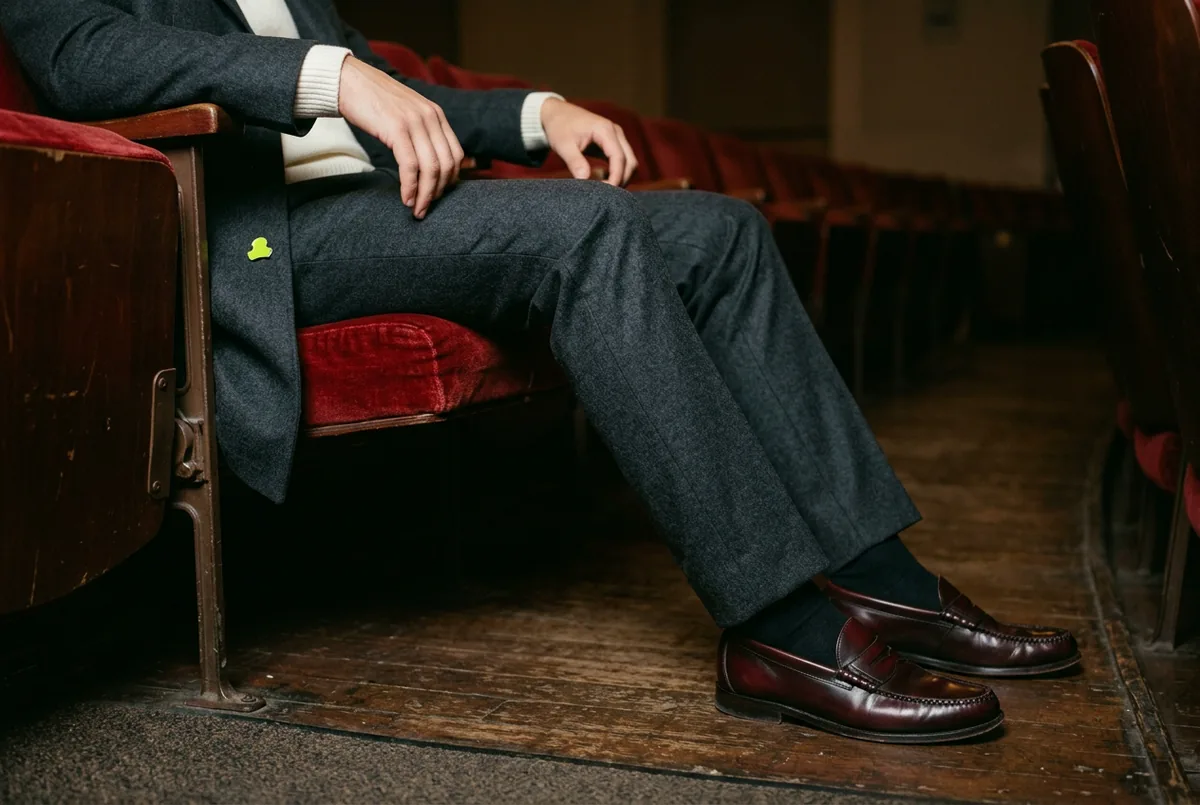
Choose footwear with secure traction and low-profile soles. Polished leather loafers, low-block heel ankle boots, tailored oxfords, and structured leather flats provide enough formality for an evening curtain while absorbing shock on concrete. If you prefer a shoe with vintage character and extra ankle support, low-heeled straps offer stability on steep auditorium stairs; see our advice on how to wear Mary Jane shoes as a modern classic. Keep footwear sleek rather than wide so your feet stay tucked neatly within your narrow footwell without kicking the seat bracket in front of you.
Matinee versus evening: setting the right tone
Matinee performances, held on Wednesday and Saturday afternoons, tilt noticeably more casual than evening curtains. Audiences at matinees include day-trippers, student groups, and theatergoers who have spent the morning walking city museums. High-rise dark jeans paired with a collared knit polo, an unlined sport coat or trench-style car coat, and clean minimalist sneakers look completely at home.
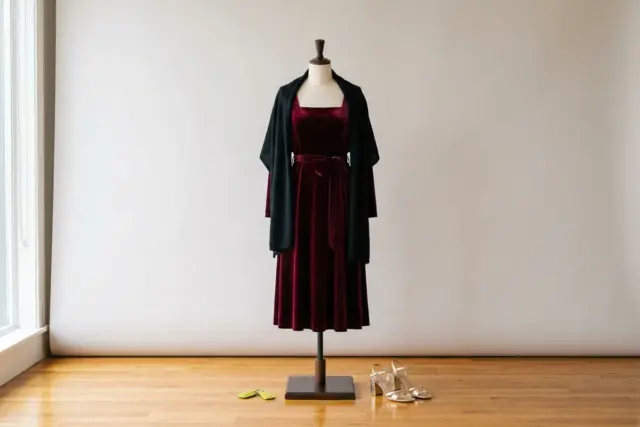
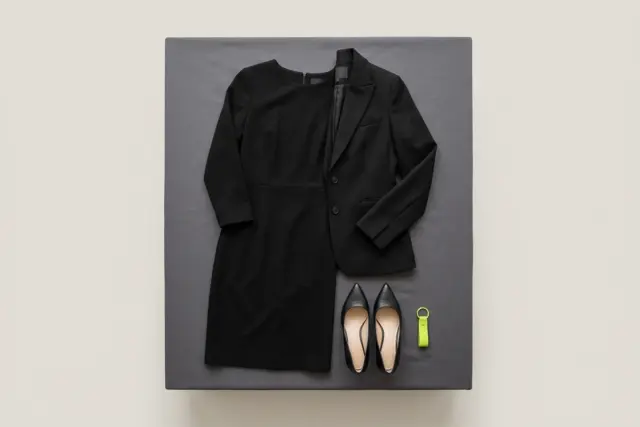
Evening shows carry an unspoken expectation of polish. While you will not be turned away in casual clothes, wearing tailored trousers, a structured dress, or a sharp sports jacket honors the live performers and the social occasion.
Do
- Choose fabrics with built-in stretch or drape like merino wool, ponte knit, and wool crepe
- Select a compact outer layer that folds comfortably over your lap
- Wear closed-toe, low-profile shoes with rubber-grip soles for steep stairs
- Carry a compact cross-body bag that sits at your feet or on your lap
Avoid
- Avoid wide-brim hats or towering hair arrangements that obstruct sightlines for patrons behind you
- Skip stiff 100 percent cotton denim that cuts into your abdomen during two hours seated
- Leave bulky floor-length coats and oversized tote bags that overflow into shared aisles
- Skip heavy perfumes and scented colognes that concentrate in enclosed auditorium air
Reading garment care tags before pre-show steaming and pressing
Preparing garments for an evening out often involves quick steaming or ironing to eliminate transit creases. However, heat applied incorrectly to delicate blends can ruin a tailored garment hours before curtain call. The Federal Trade Commission regulates these care warnings under the FTC Care Labeling Rule (16 CFR Part 423), which requires manufacturers to provide permanent, legible instructions detailing at least one safe cleaning method.
When a garment label states Dryclean Only, treat it as a warning that water washing or aggressive domestic steaming could distort the tailoring canvas or cause fiber shrinkage. Synthetic fibers like polyester and acetate, common in theater-appropriate silky blouses and dress linings, melt or glaze under high iron temperatures. Silk requires low heat on the reverse side of the fabric to protect delicate filaments. Wool calls for steam or a medium heat iron paired with a damp press cloth to prevent surface shine and fabric compression. Always check the symbol dots on the care tag before applying an iron or handheld steamer.
Theater etiquette details that affect what you wear
Certain wardrobe choices directly affect the physical comfort of neighboring audience members. In an auditorium where patrons sit shoulder-to-shoulder, wide silhouettes, crinkling materials, and strong scents turn into immediate irritations.
Avoid stiff synthetic windbreakers, stiff waxed jackets, or crinkly nylon raincoats that generate audible rustling whenever you shift position. Choose soft, sound-dampening textiles like boiled wool, cotton fleece, or brushed twill instead. Similarly, avoid high-volume headwear: broad-brimmed fedoras, oversized hair bows, and high topknot buns directly compromise sightlines for the seat directly behind you.
Finally, eliminate scented personal care products. In a warm, densely packed theater with closed recirculating air, concentrated perfumes, heavy colognes, and scented lotions intensify quickly. The person sitting eighteen inches to your left has nowhere to move for the next two hours, making unscented grooming the ultimate mark of an experienced theatergoer.
Read next